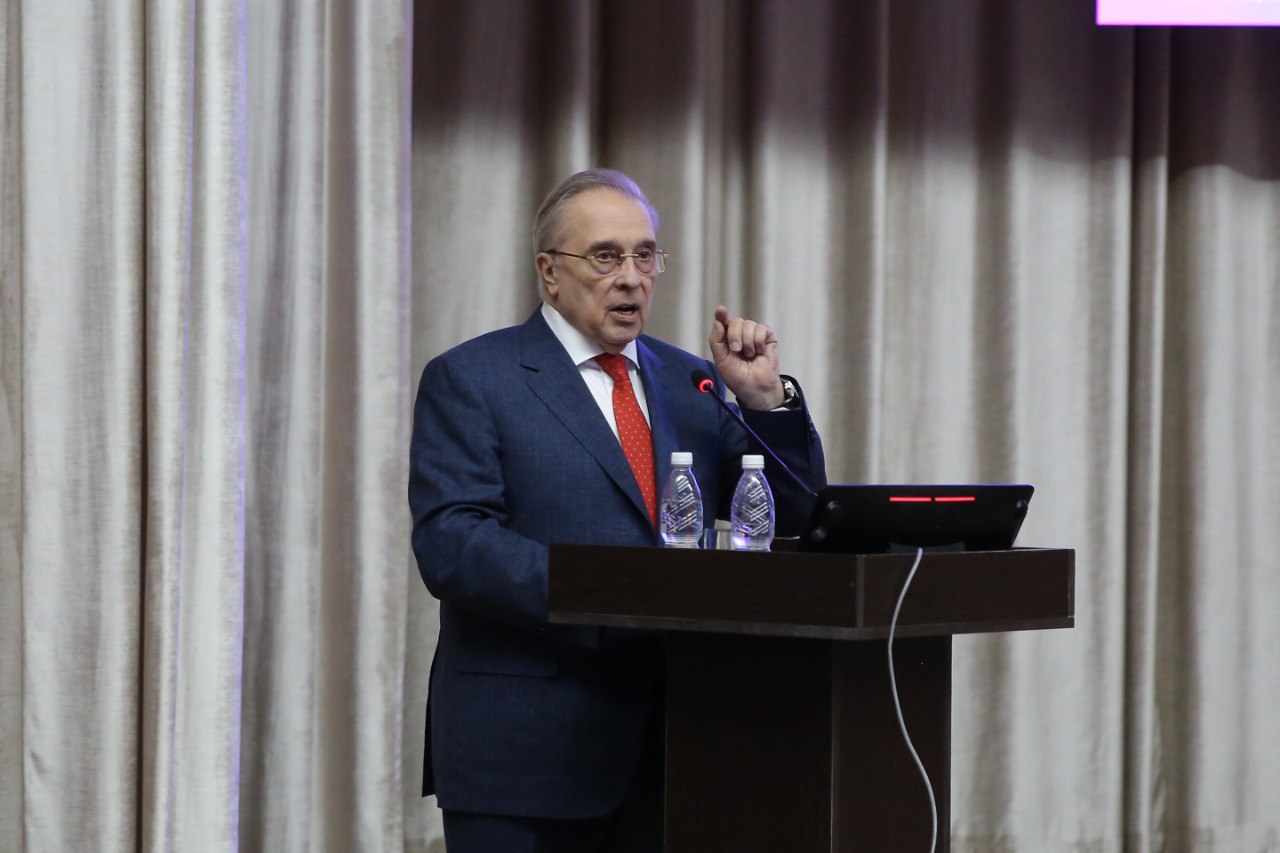
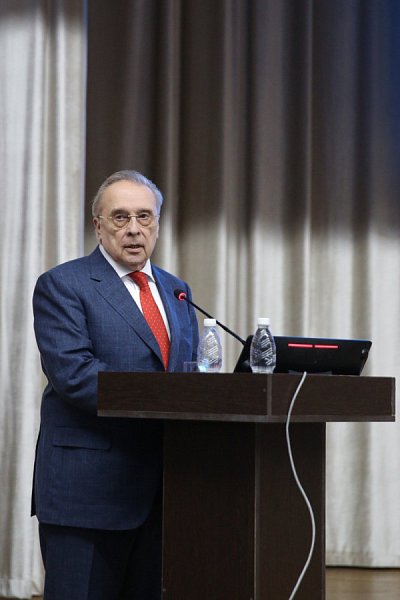
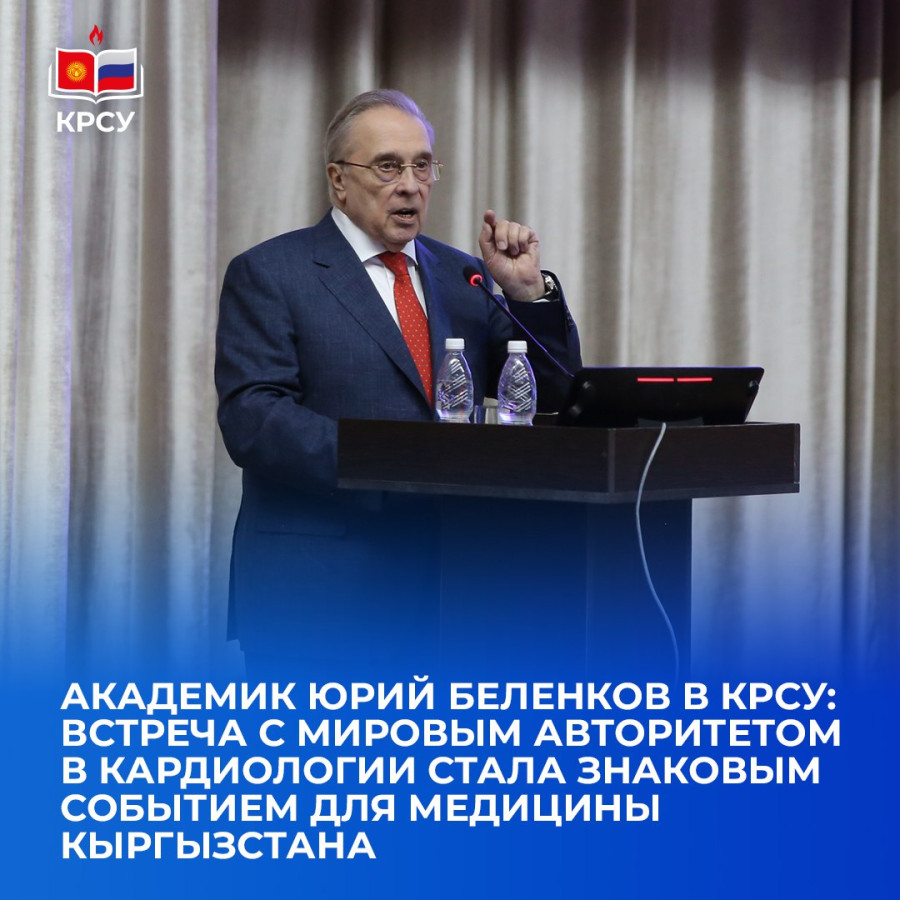
On April 15, 2025, the Kyrgyz-Russian Slavic University became a platform for a special scientific meeting — within the framework of «Days of Russian Medicine in the Kyrgyz Republic», one of the most respected cardiologists in the world, Academician of the Russian Academy of Sciences Yuri Nikitich Belenkov, spoke at KRSU.
President of the Society of Heart Failure Specialists, editor-in-chief of the journal «Cardiology», personal physician of the first President of Russia Boris Yeltsin, whose name is KRSU, — Yuri Belenkov is an international authority. His visit was a real event for the medical community of Kyrgyzstan.
In his lecture, the academician presented an in-depth analysis of the future of cardiology in the era of digital medicine, shared his experience in integrating artificial intelligence into clinical practice and focused on a personalized approach to treating patients. According to listeners, Belenkov’s speech was inspiring and gave a practical understanding of the advanced frontiers of modern medicine.
The event was opened by the acting rector of KRSU Sergey Volkov. In his opening remarks, he emphasized:
«This is not just a lecture. This is a unique chance for our students, faculty and doctors to connect with cutting-edge science, ask questions and be part of the global medical dialogue».
Also during the meeting, Associate Professor of the First Moscow State Medical University named after. Sechenova Natalya Khabarova — expert in the field of cardio-oncology, member of the International Society of Cardio-Oncologists (IC-OS). She presented modern approaches to the diagnosis and treatment of cancer patients with cardiovascular risks, and also spoke about the international study SYNTHESIS, in which specialists from Kyrgyzstan also participate.
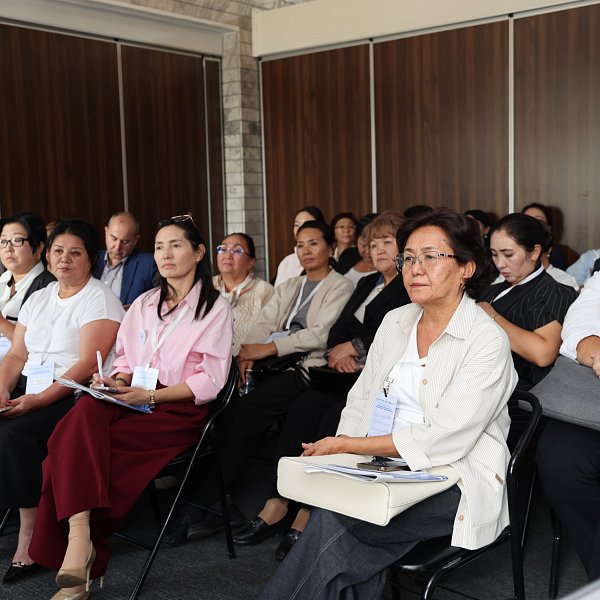
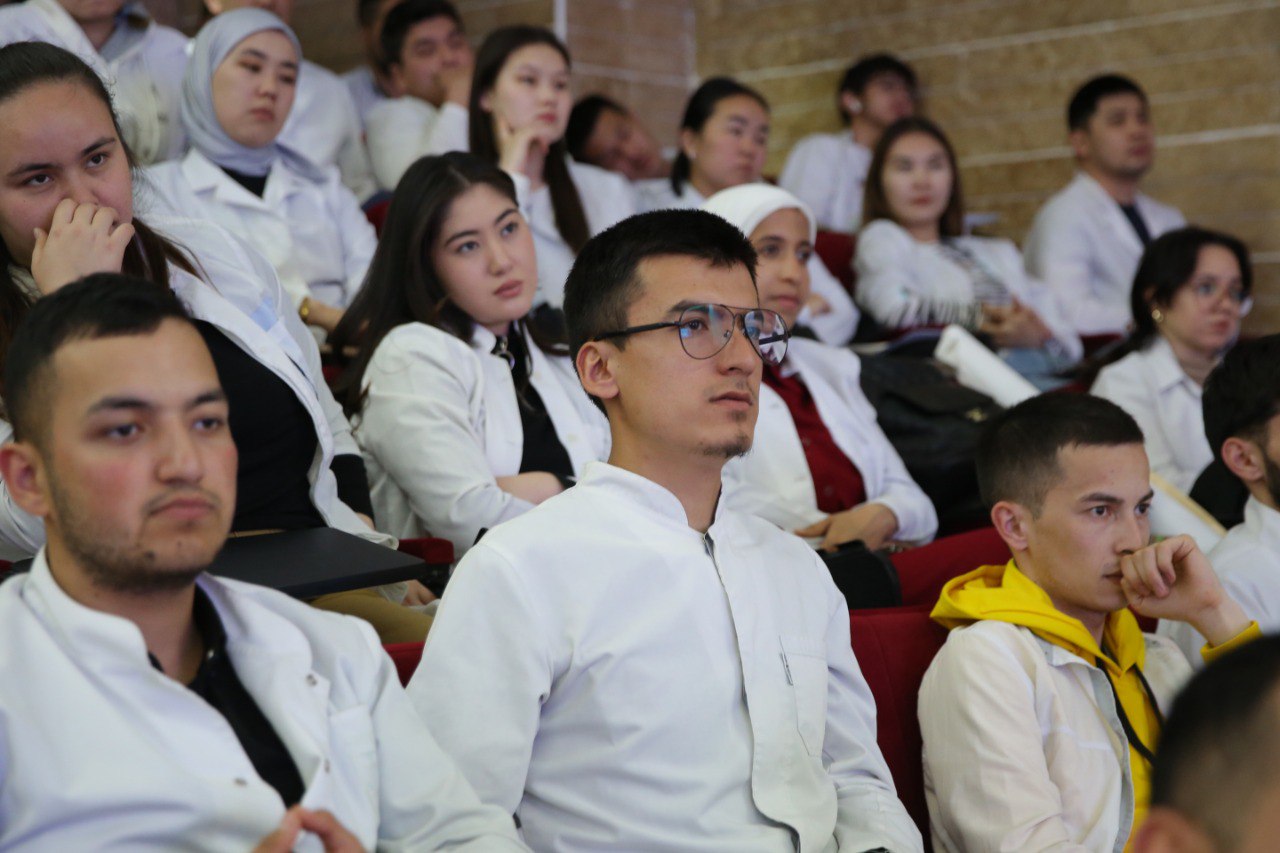
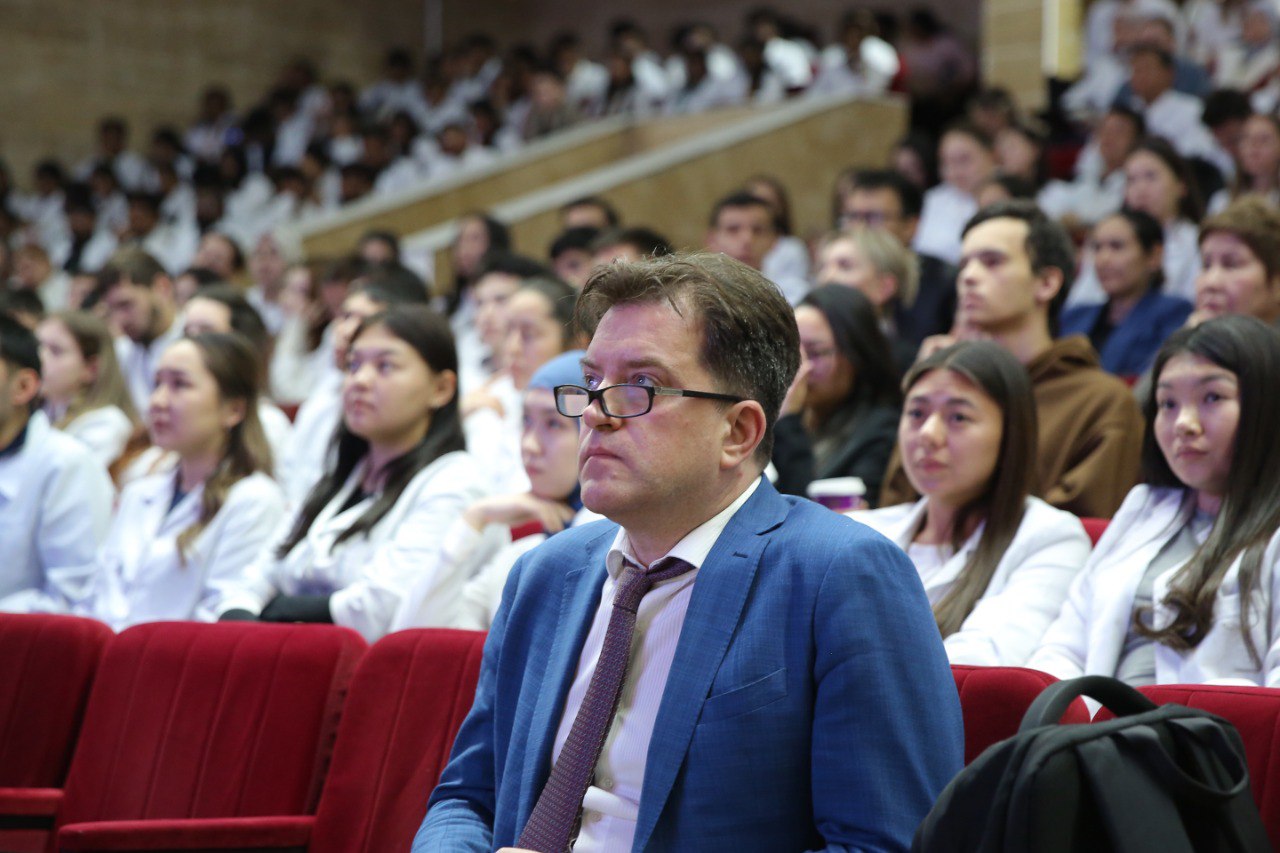
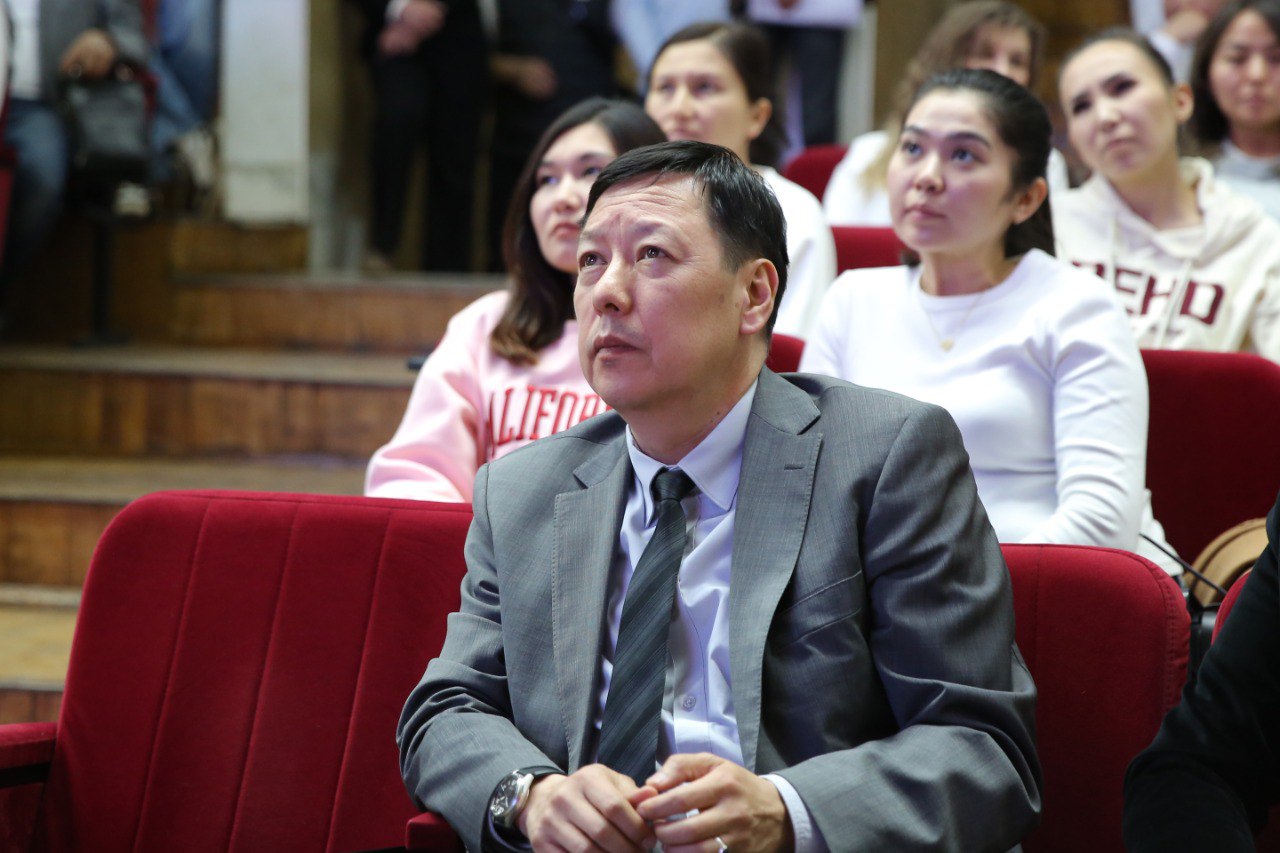
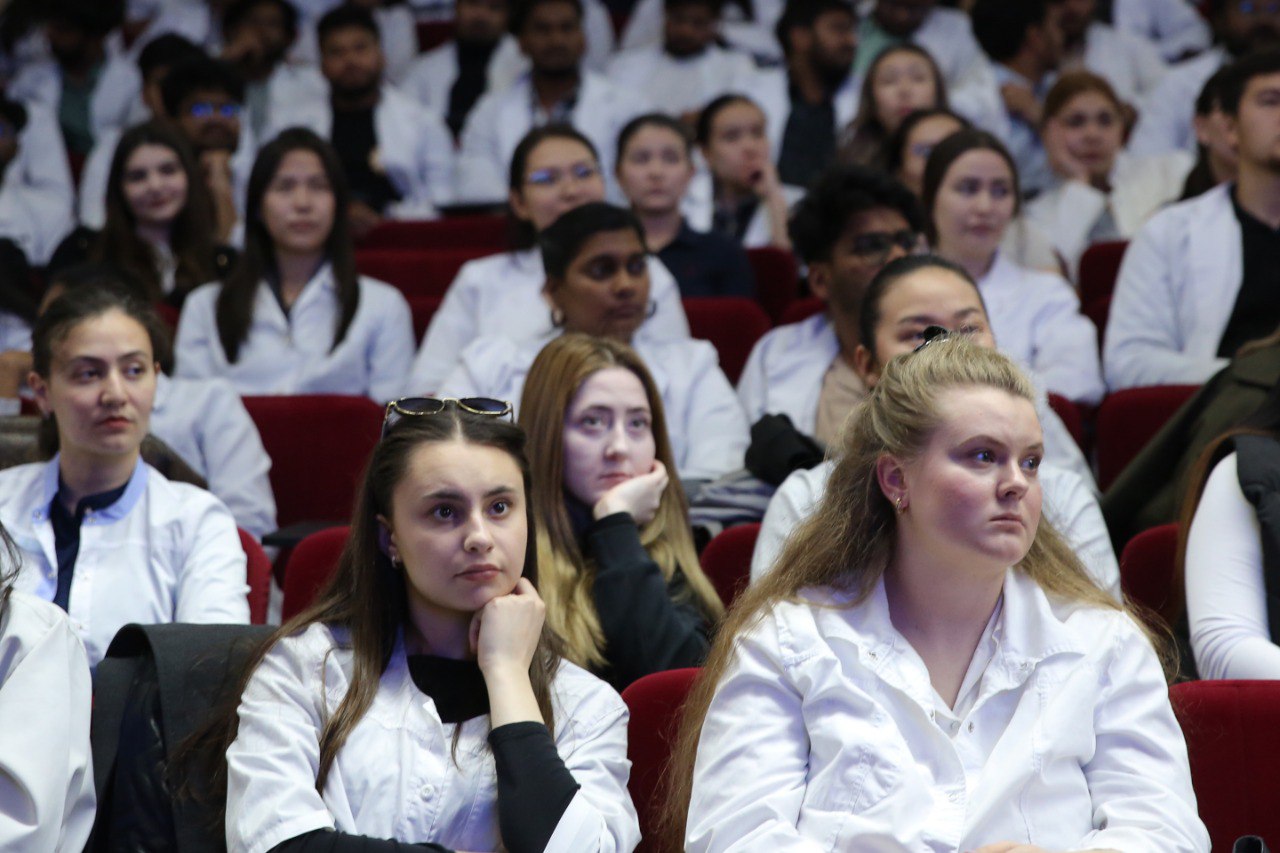
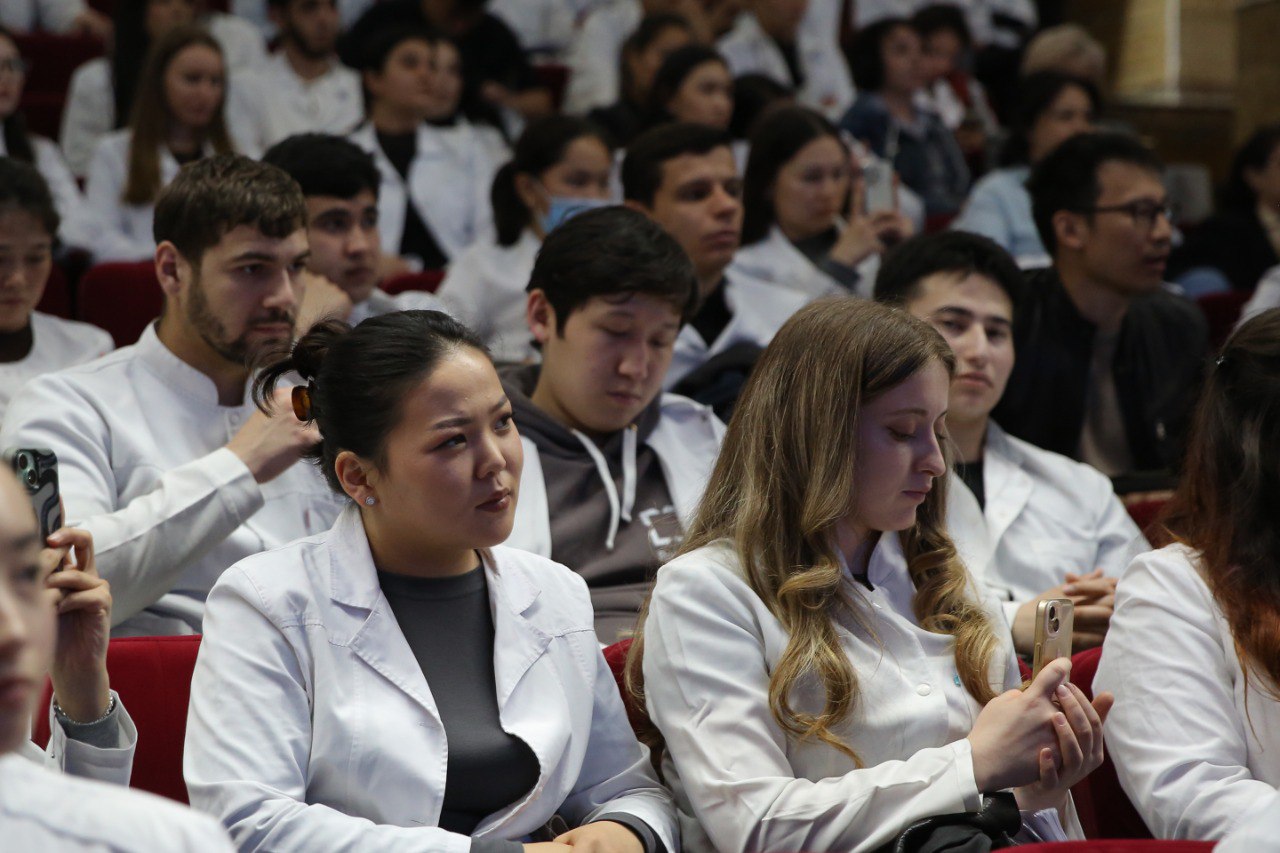
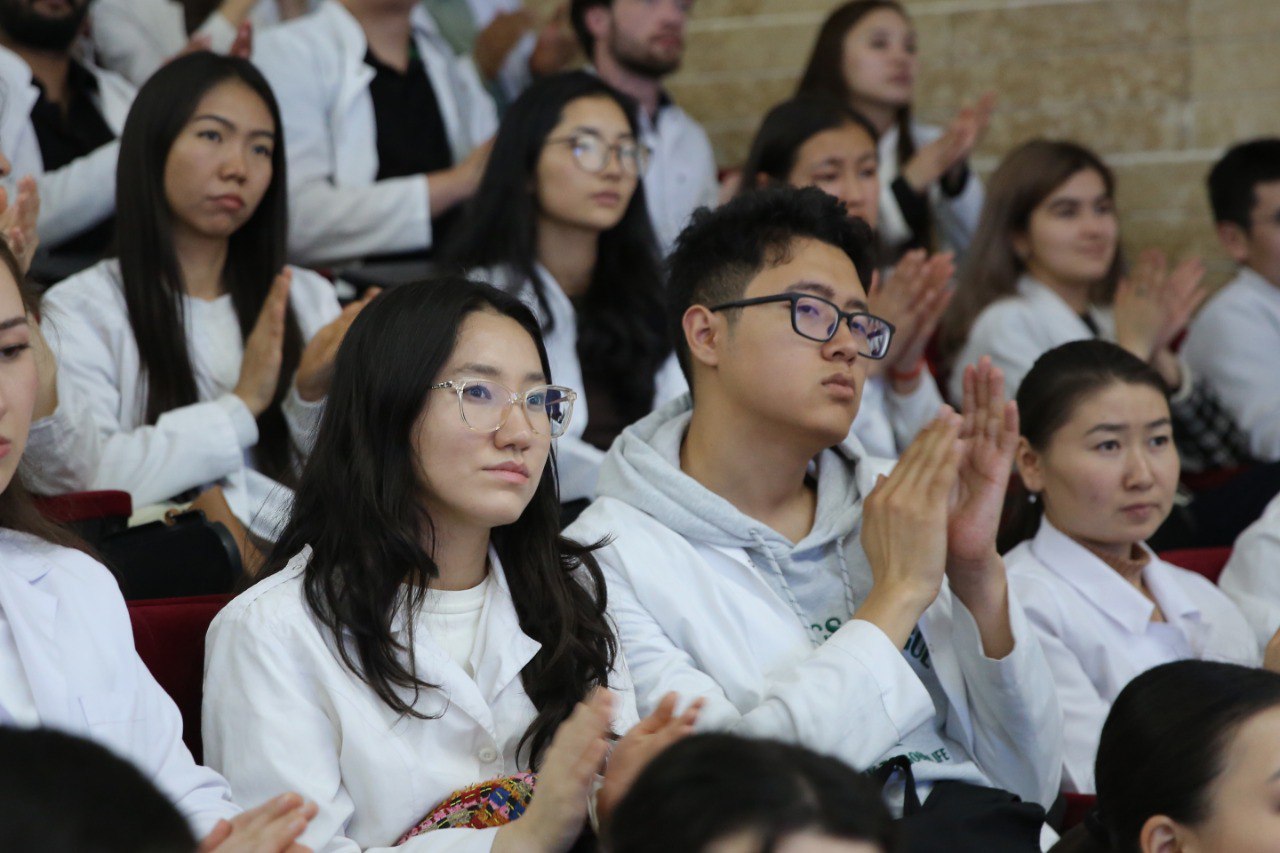
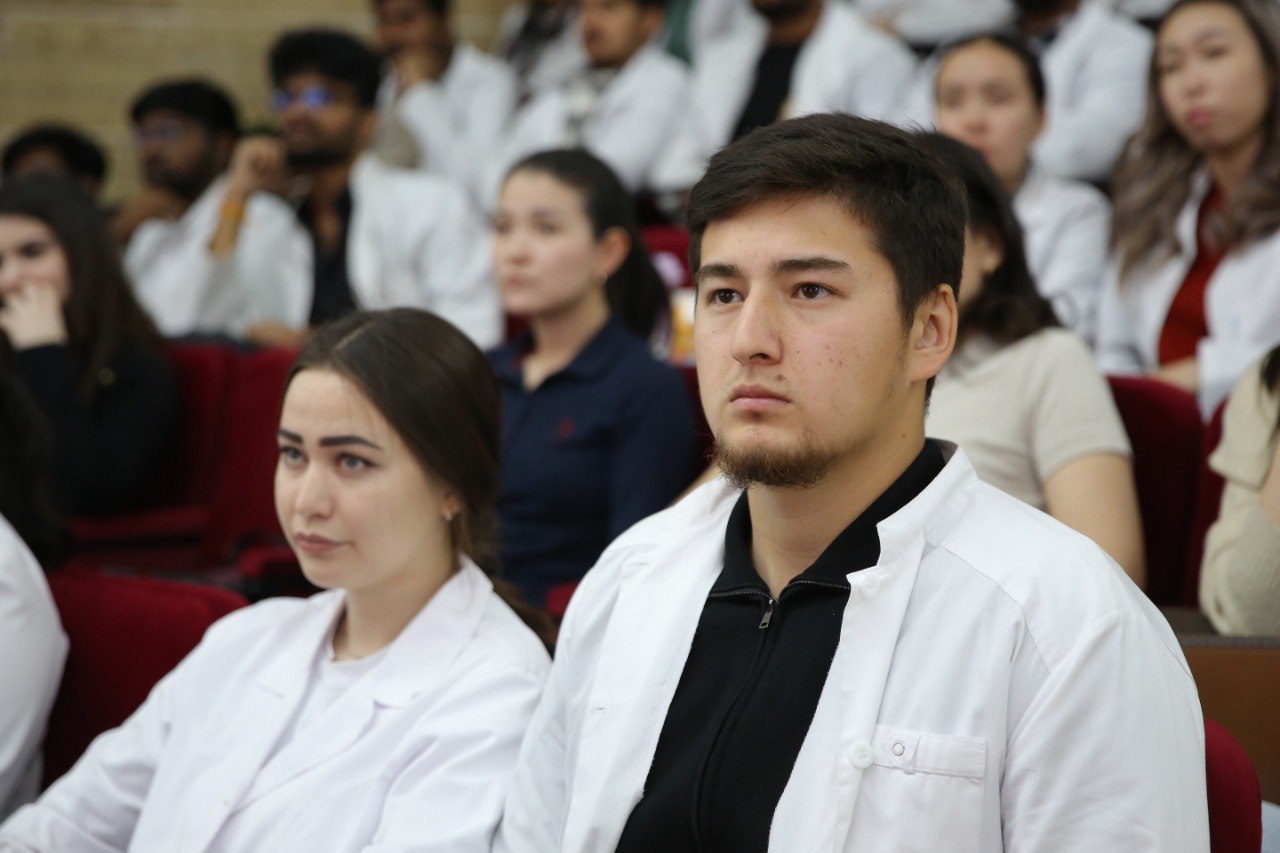
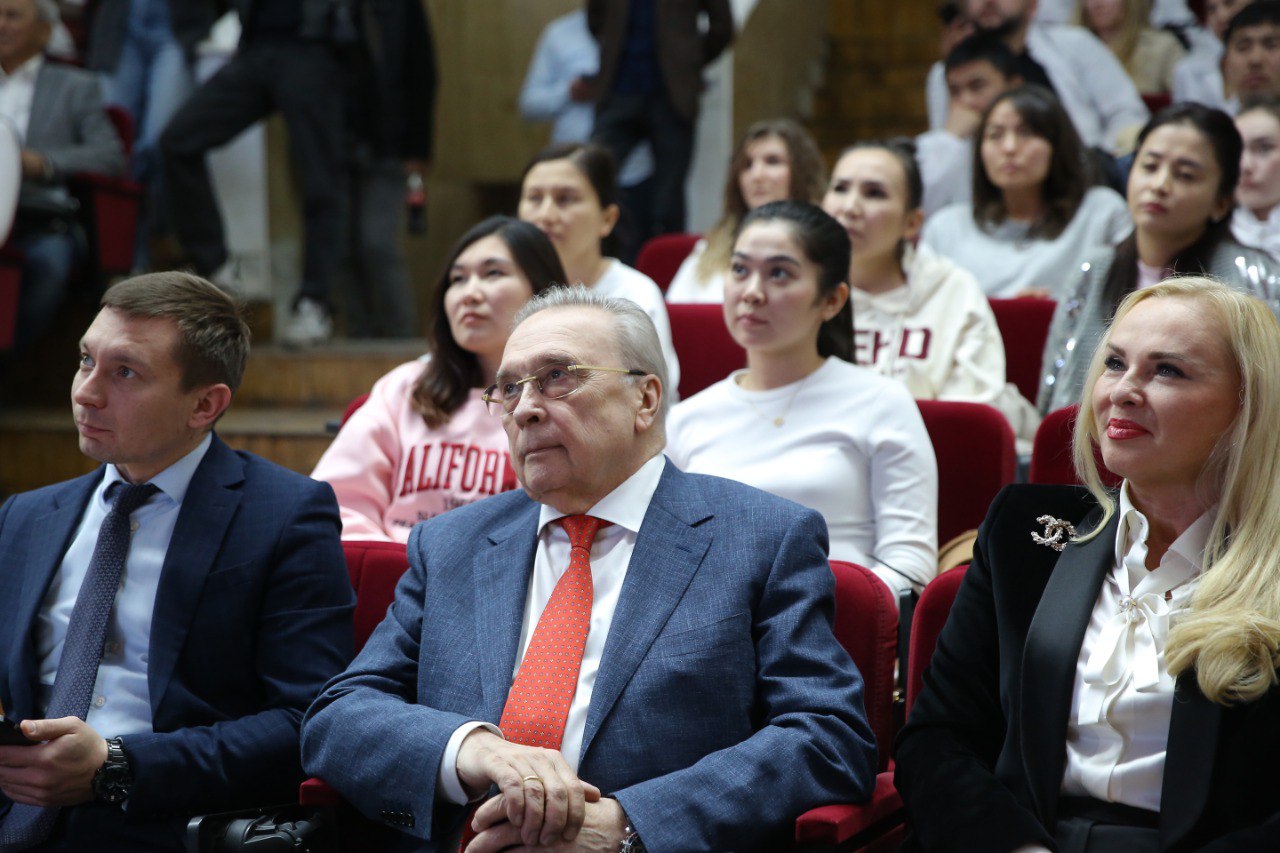
The event drew a full house, with young doctors, students, teachers and industry professionals taking the opportunity to ask questions, discuss the challenges of the time and learn about medical innovations from primary sources.