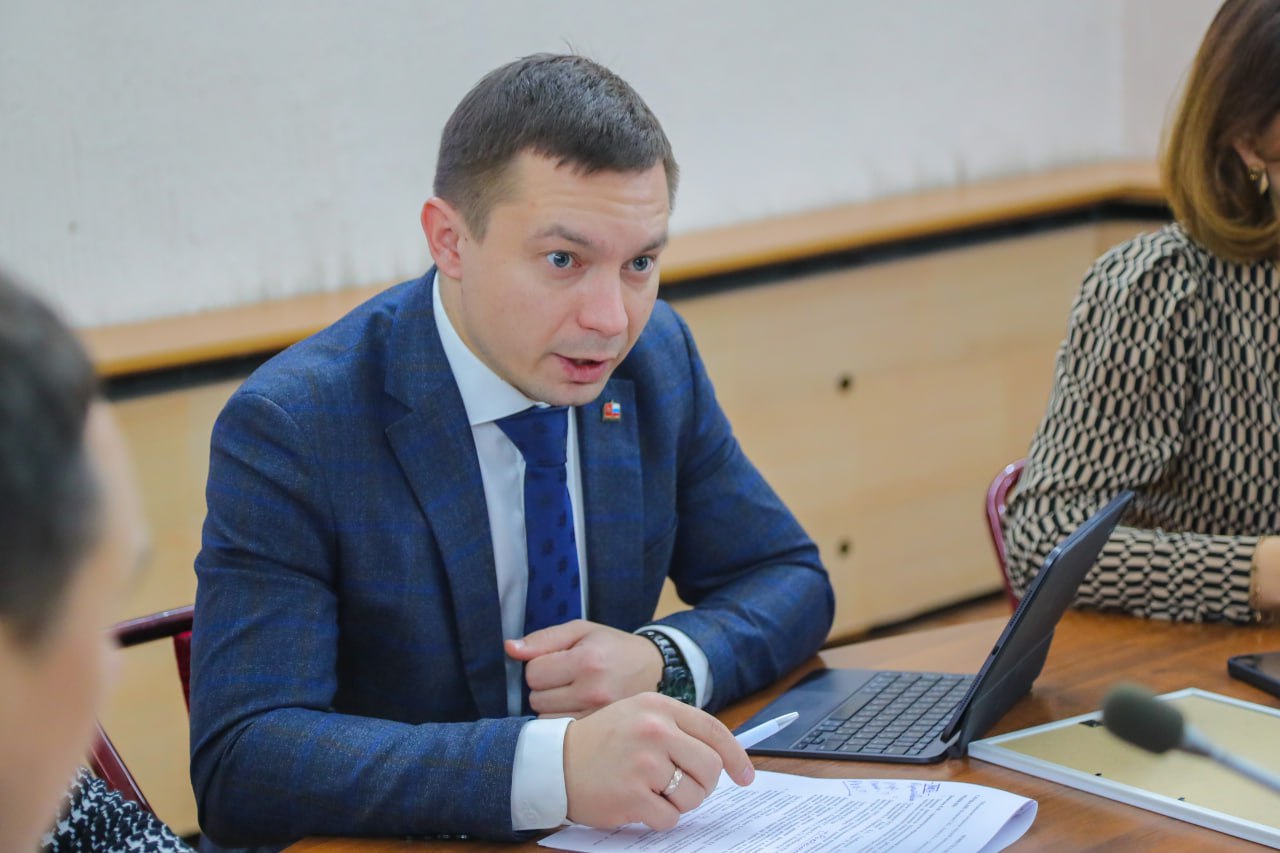
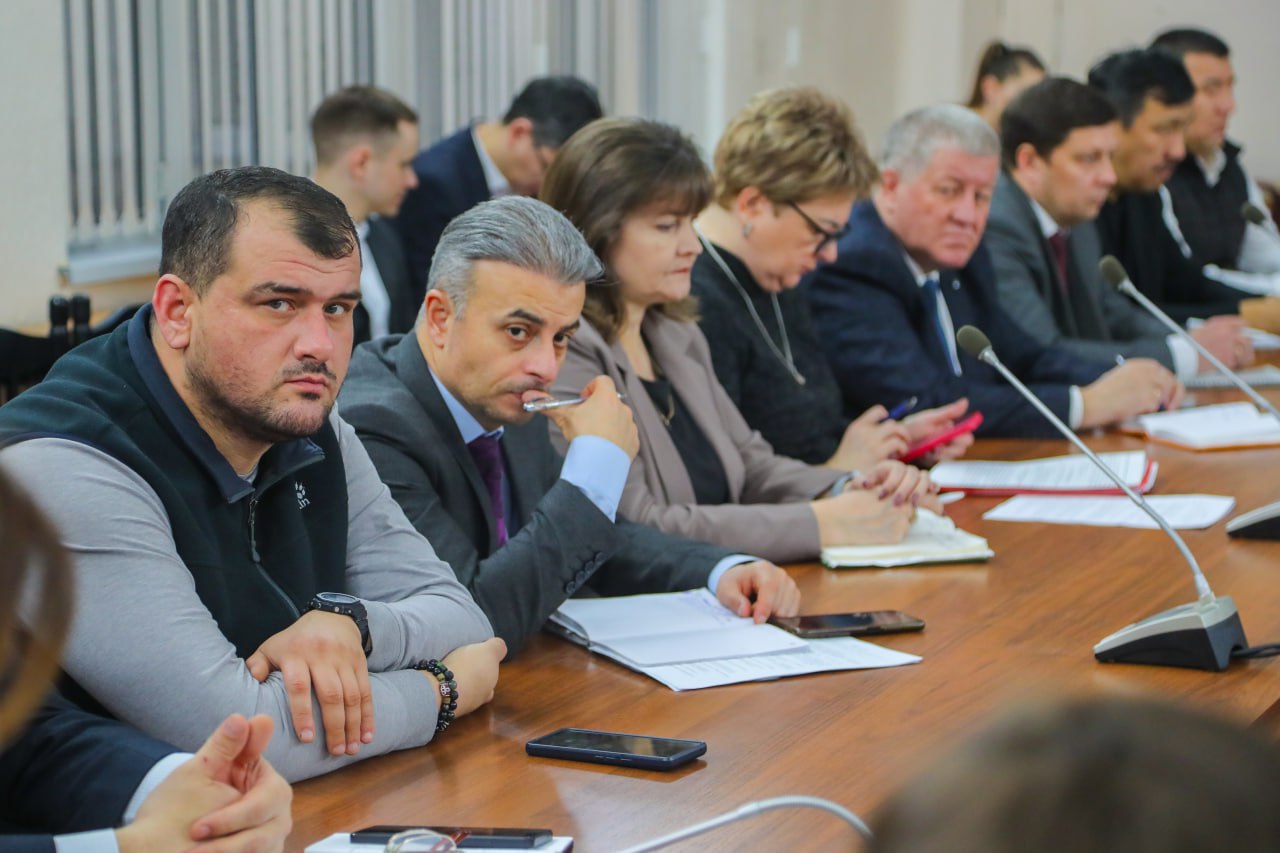
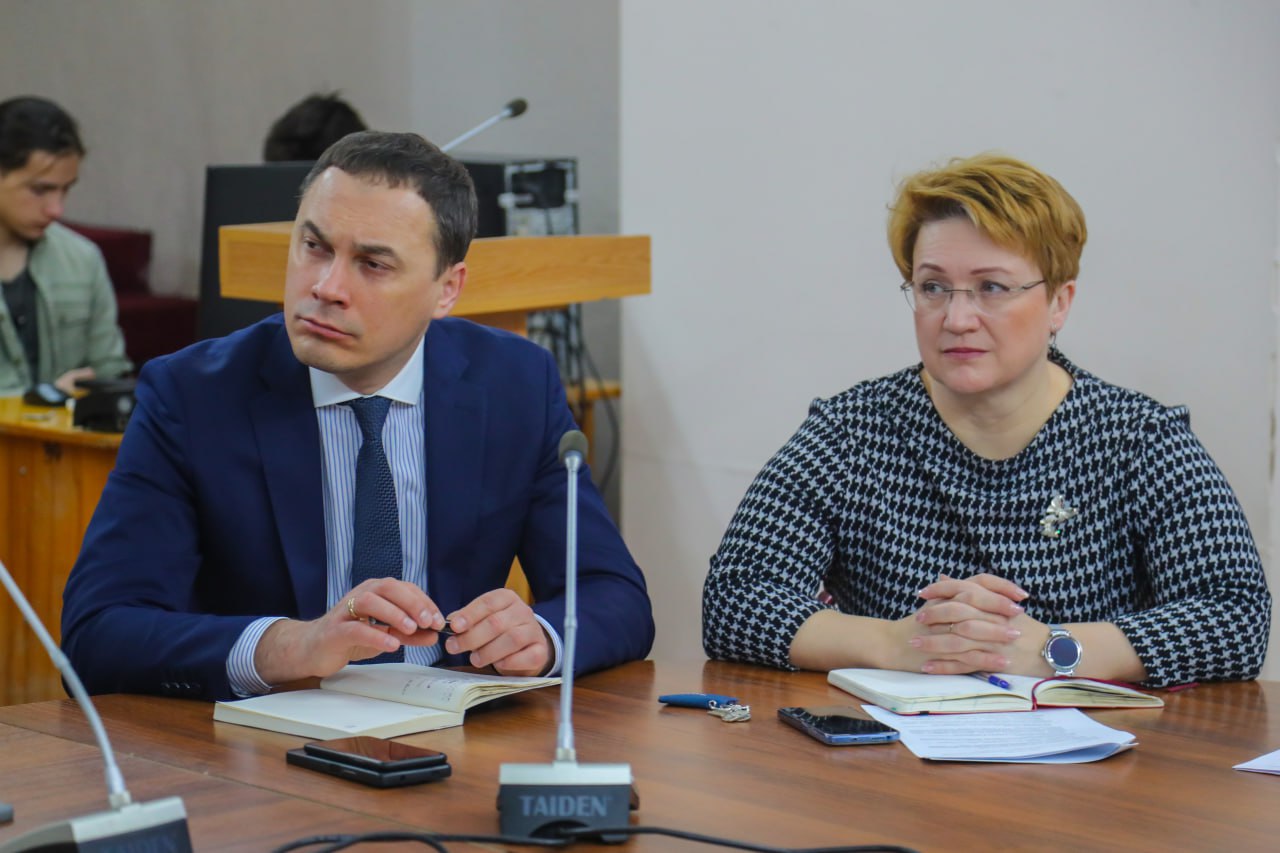
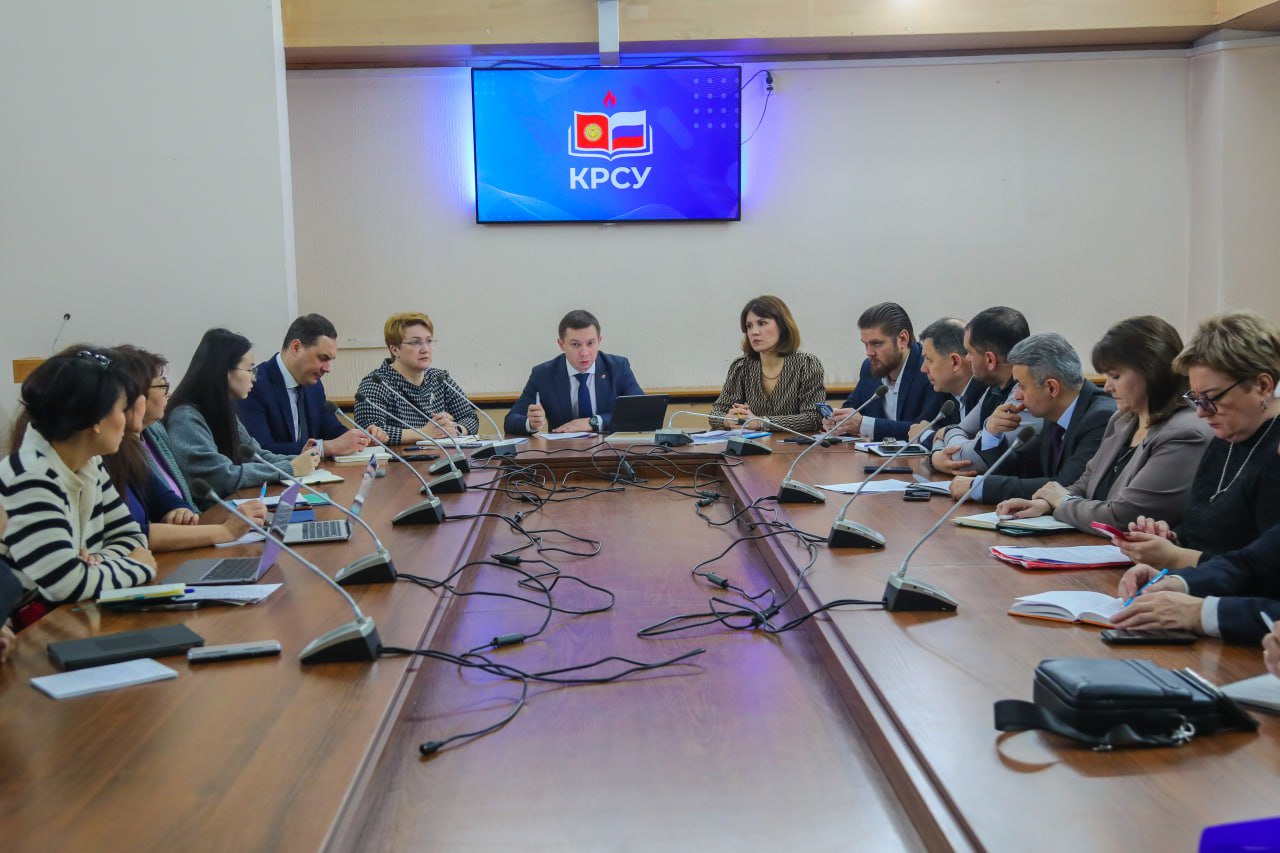
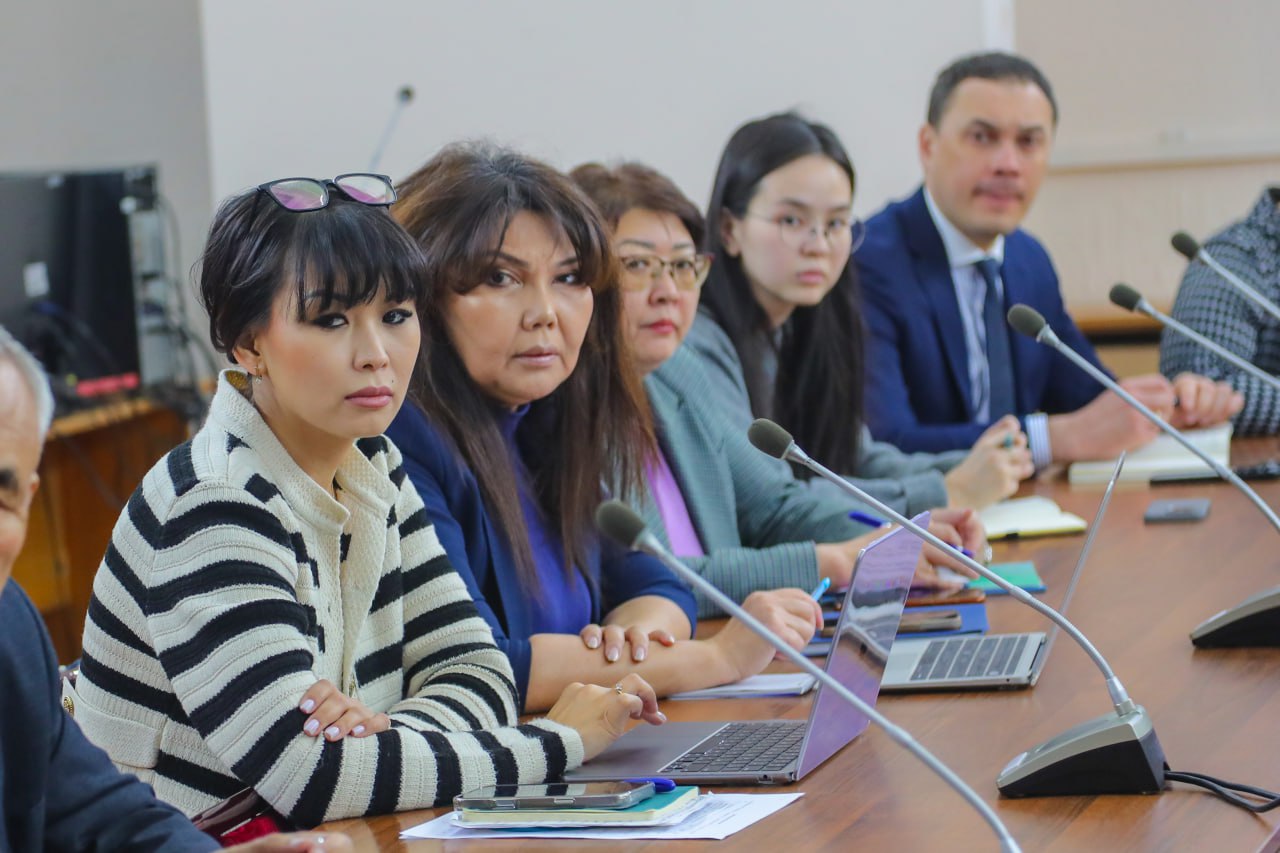
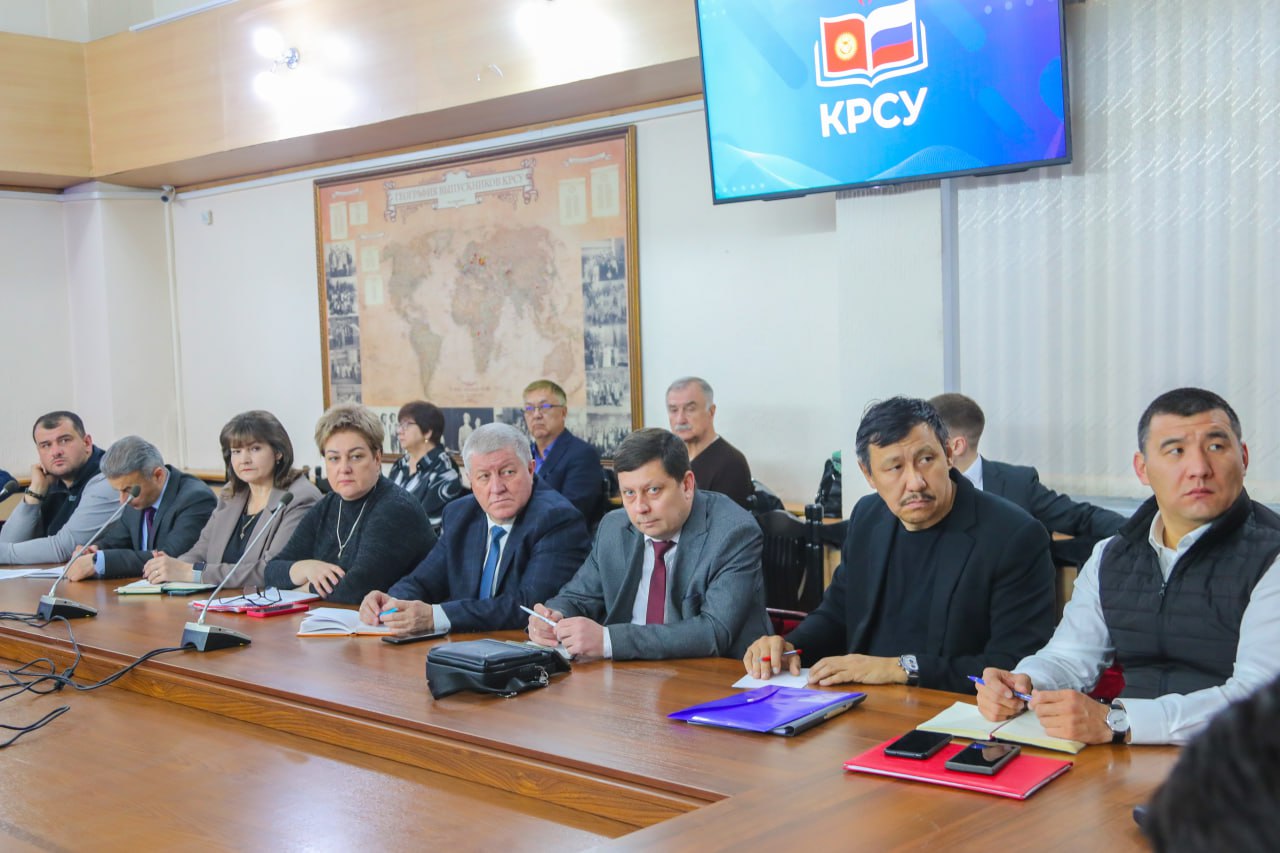
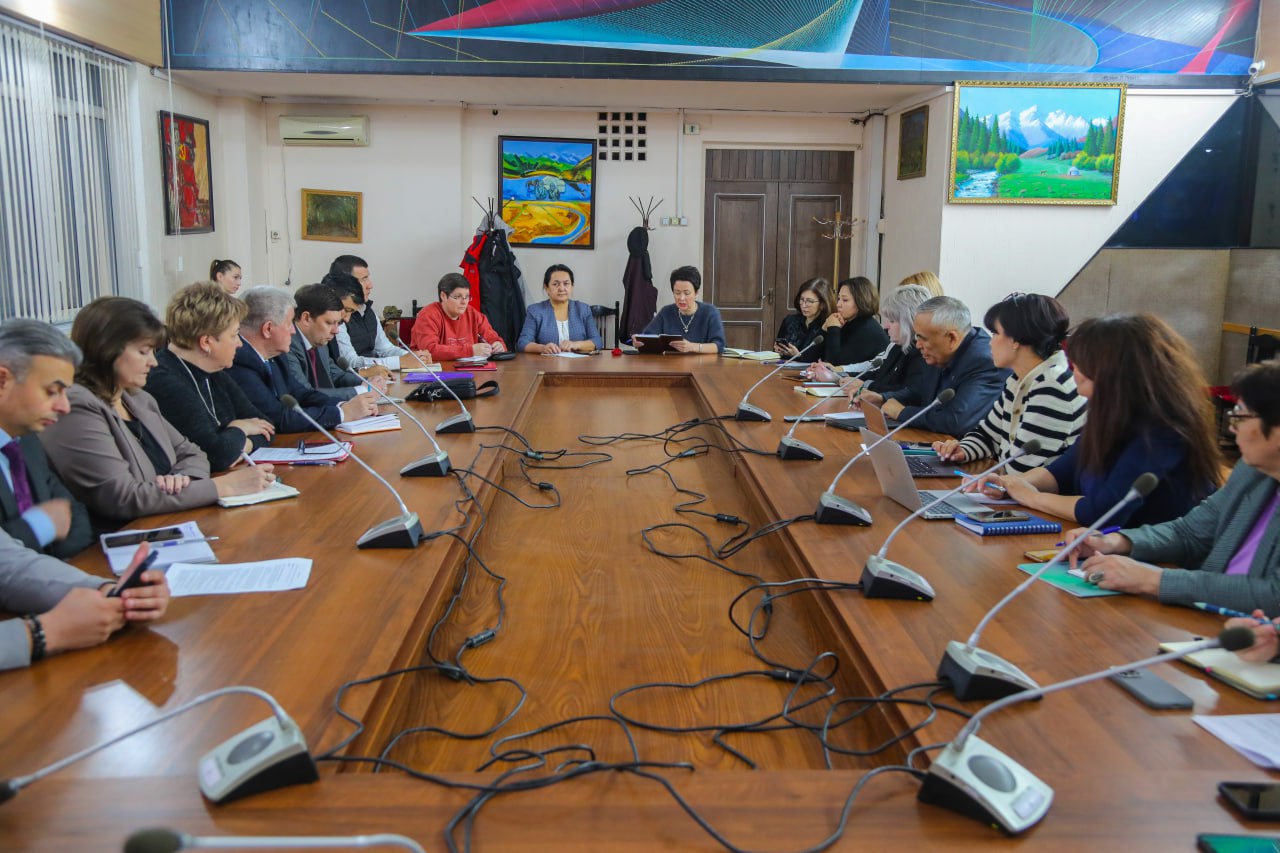
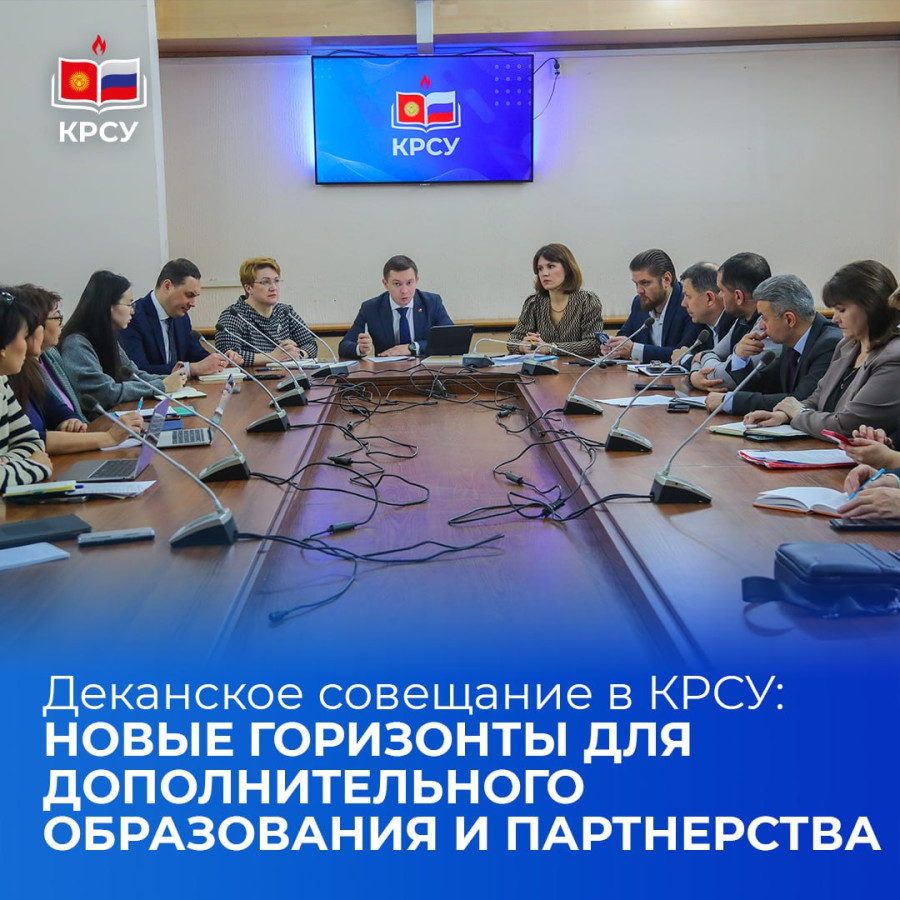
Under the leadership of acting, the rector of KRSU Sergei Volkov held a dean's meeting, the key topics of which were the development of additional vocational education (VET) programs, the identification of strategic partners among leading universities in Russia and the synchronization of educational programs.
Each faculty of KRSU is developing a roadmap for launching new additional education programs. As part of this work, an agreement is being prepared with the Higher School of Economics (HSE), which will open up opportunities for joint educational initiatives. The Director of the Scientific and Methodological Center for Retraining and Advanced Training of Specialists, together with the deans, has been instructed to identify priority advanced training and retraining programs that will be launched in the near future. This will not only expand the range of educational services, but also create new opportunities for teachers.
At the meeting, the issue of forming an anchor partnership with leading Russian universities was discussed. Each faculty has identified strategic partners in its areas, which will strengthen academic mobility, as well as adapt KRSU educational programs to advanced Russian standards.
"We must not sign and forget. We must strictly implement all agreements reached and implement the road map," Sergei Volkov emphasized.
The deans are instructed to form a consolidated list of partner universities based on data provided by the faculties. It will include key anchor universities in Russia and other countries, with which KRSU will build in-depth cooperation. Among the partners are — Peter the Great St. Petersburg Polytechnic University, MGIMO, RUDN University, Higher School of Economics, Ural Federal University, Siberian Federal University, Tyumen State University and others.
One of the key opportunities that KRSU provides to its students is academic mobility. Thanks to partnership agreements, students will be able to spend one or two semesters at the best universities in Russia, which will significantly increase their competitiveness in the labor market.
In the near future, active work will begin to establish close contacts with partners and introduce new educational programs.