Days of Russian medicine in Bishkek: dialogue on the future of healthcare and cooperation
1 april 2026
Share:
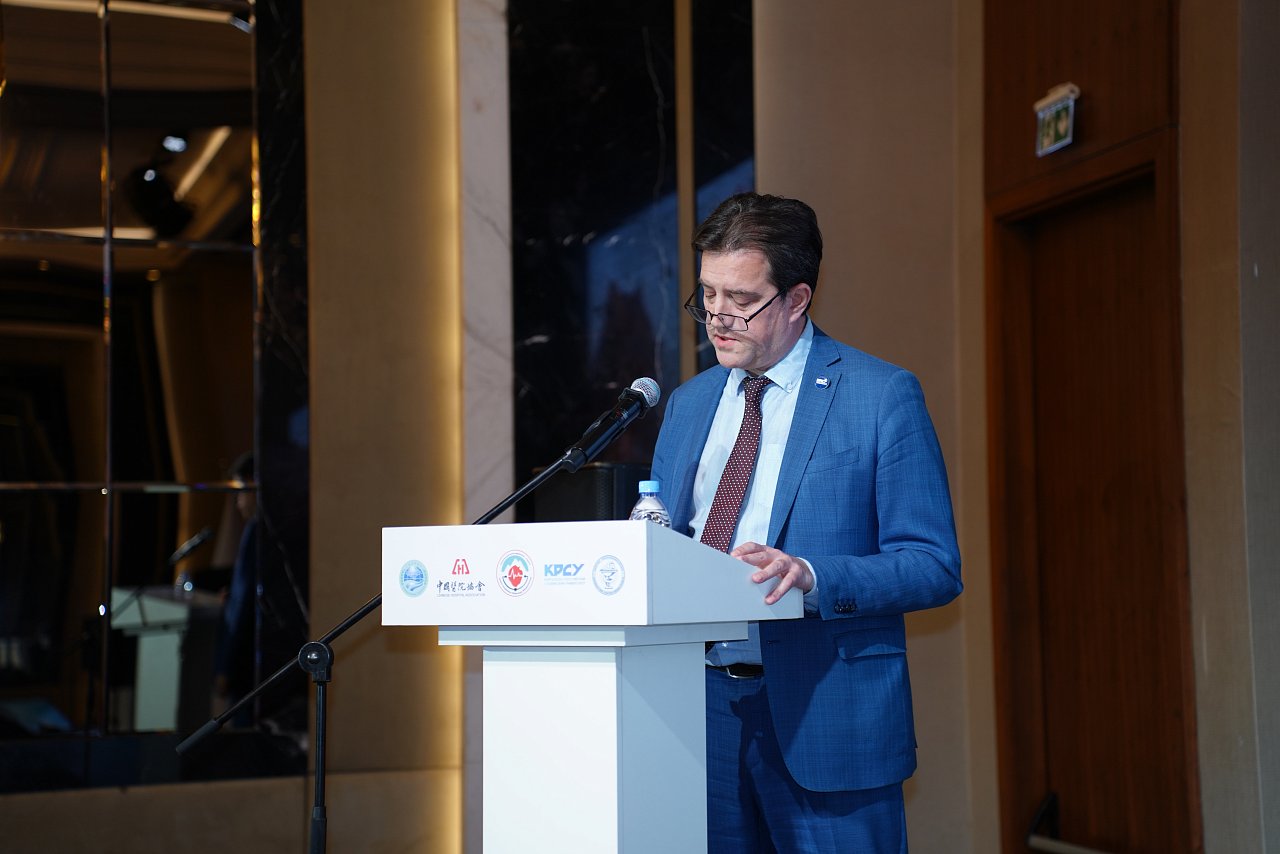
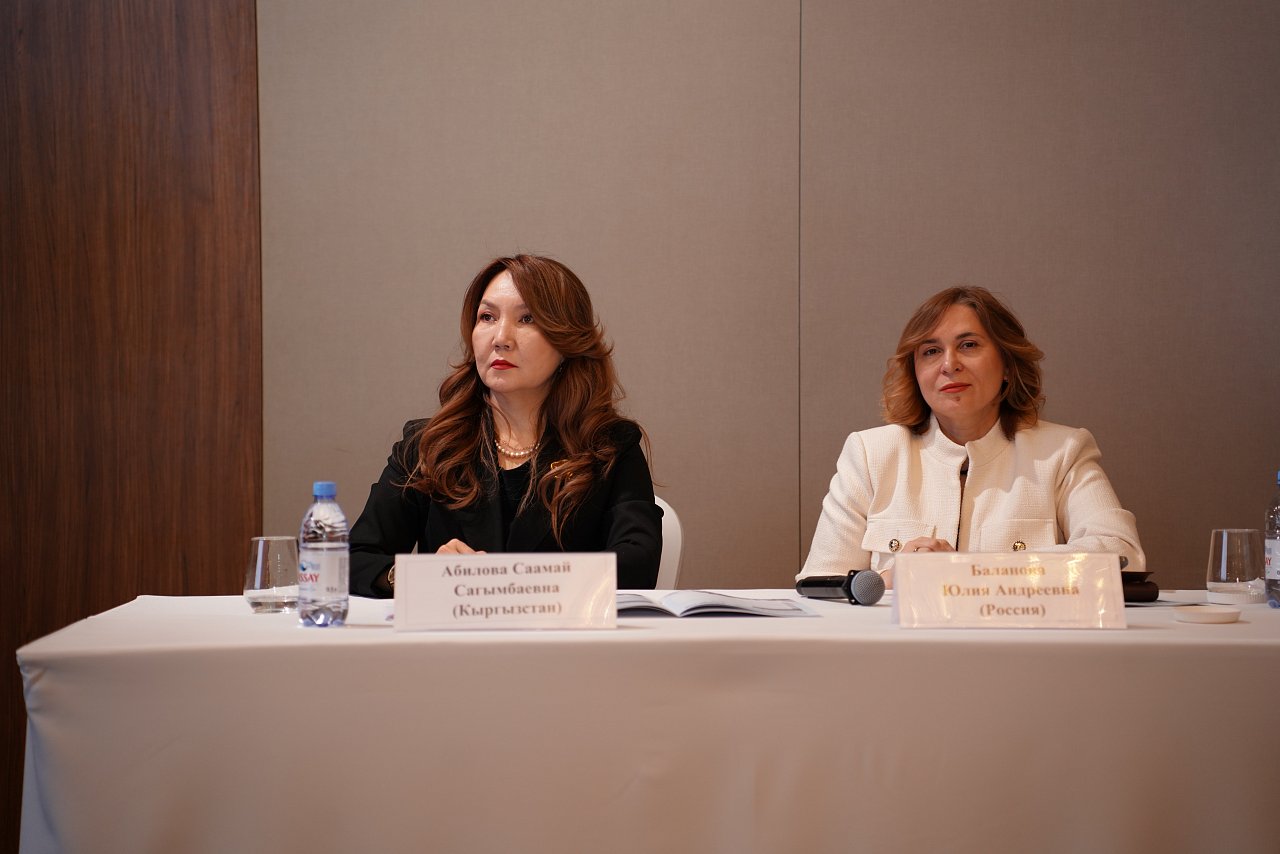
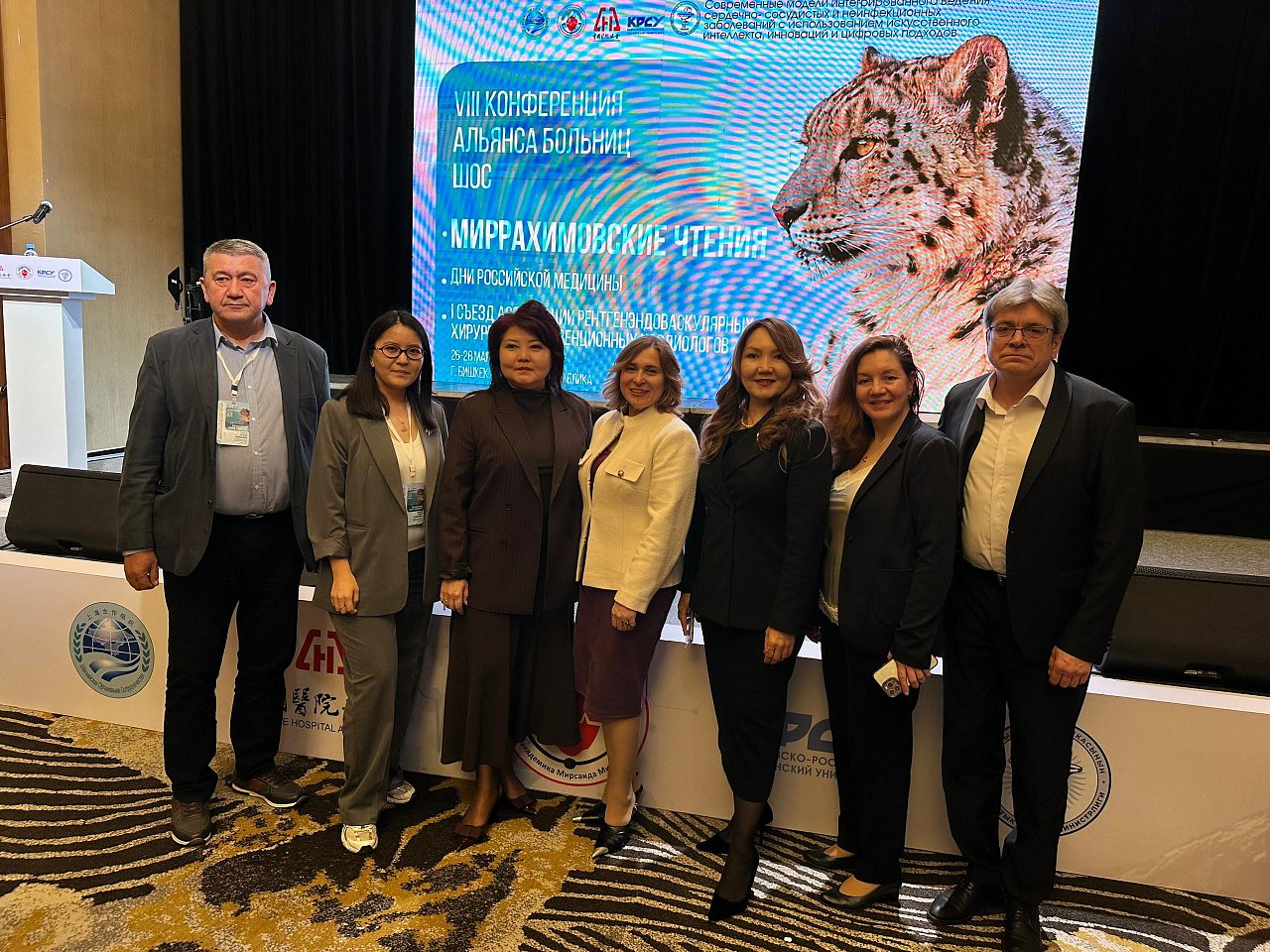
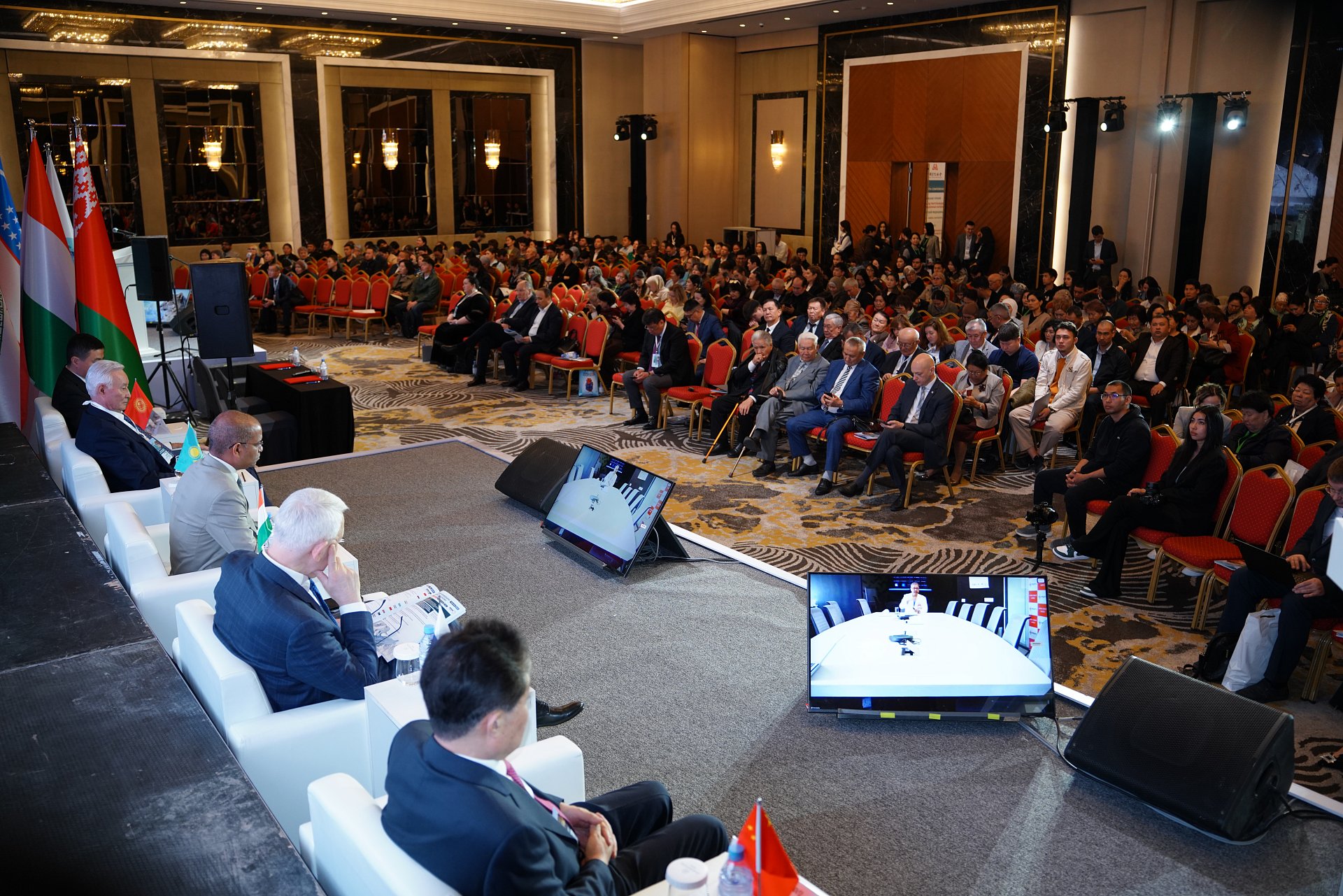
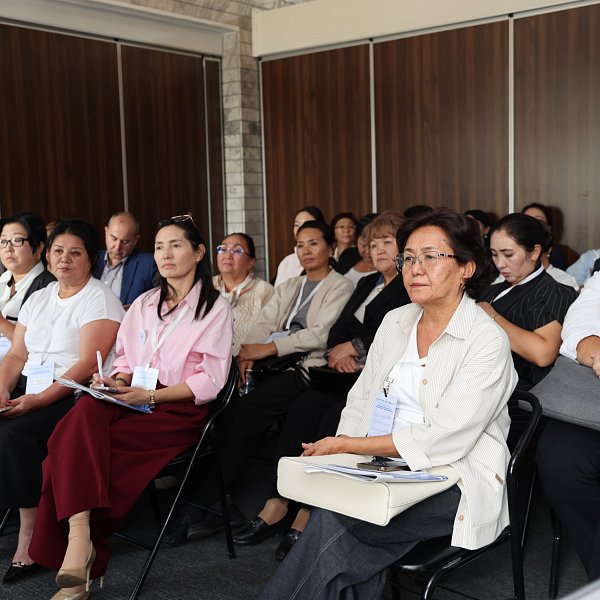
The Faculty of Medicine of the Kyrgyz-Russian Slavic University co-organized the plenary session of the Days of Russian Medicine in the Kyrgyz Republic, held as part of a major international conference that united the platforms of the SCO and the Mirrakhimov Readings.The plenary session was opened by the First Secretary of the Embassy of the Russian Federation Alexey Poida, the head of the Rossotrudnichestvo representative office in Kyrgyzstan Albert Zulkharneev, as well as Advisor to the Rector of KRSU Nikolay Kudryavtsev.Over the course of two days, key events of the Days of Russian Medicine took place, including a meeting of the «Healthcare» forum working group «St. Petersburg Dialogue» and a symposium dedicated to modern approaches to the study of risk factors and the prediction of cardiovascular diseases.The Faculty of Medicine KRSU actively presented its scientific developments. Presentations were made by the Dean of the Faculty Abilova S.S, Deputy Dean Arykova A.T, Head of the Department of Therapy №2 Sabirov I.S., as well as Associate Professors Dzhailobaeva K.A., Rajapova Z.T., Mamasaidov Zh.A. and Suranova G.Zh. Their talks focused on current issues in cardiology and internal medicine, aimed at medical practitioners.An additional area of work was practical master classes at the National Center for Cardiology and Therapy, where modern methods of cardiovascular surgery were discussed. Professor of the Department of Hospital Surgery Osmonov T.A. took part in them.The Days of Russian Medicine were held in Bishkek as part of the 8th Conference of the SCO Hospital Alliance and became a platform for discussing key issues in the industry — reducing mortality, training medical personnel and digitalizing healthcare.General Director of the Almazov National Medical Research Center, President of the Russian Cardiological Society Evgeniy Shlyakhto noted:«In recent decades, Russia has achieved a marked reduction in overall mortality. This is the result of the systematic work of the entire healthcare system. Such platforms allow you to exchange experiences and create new solutions».Albert Zulharneev emphasized the educational significance of cooperation:«Russia annually allocates budget places in universities to Kyrgyzstan, including in medical areas. This is an important contribution to the training of specialists».Alexey Poida drew attention to the development of interstate interaction:«There is an agreement between the ministries of health of the two countries providing for training and retraining of personnel, exchange of experience and cooperation in key areas of medicine».Nikolay Kudryavtsev noted the significance of the university’s participation:«Such events strengthen interstate interaction and make it possible to create a list of in-demand medical specialties».The event also included an exposition of Russian developments in the field of prevention, diagnosis and treatment of cardiovascular diseases, as well as modern digital solutions in healthcare.