KRSU and M.V. House Museum. Frunze discussed holding a chess tournament and developing cooperation
1 july 2026
Share:
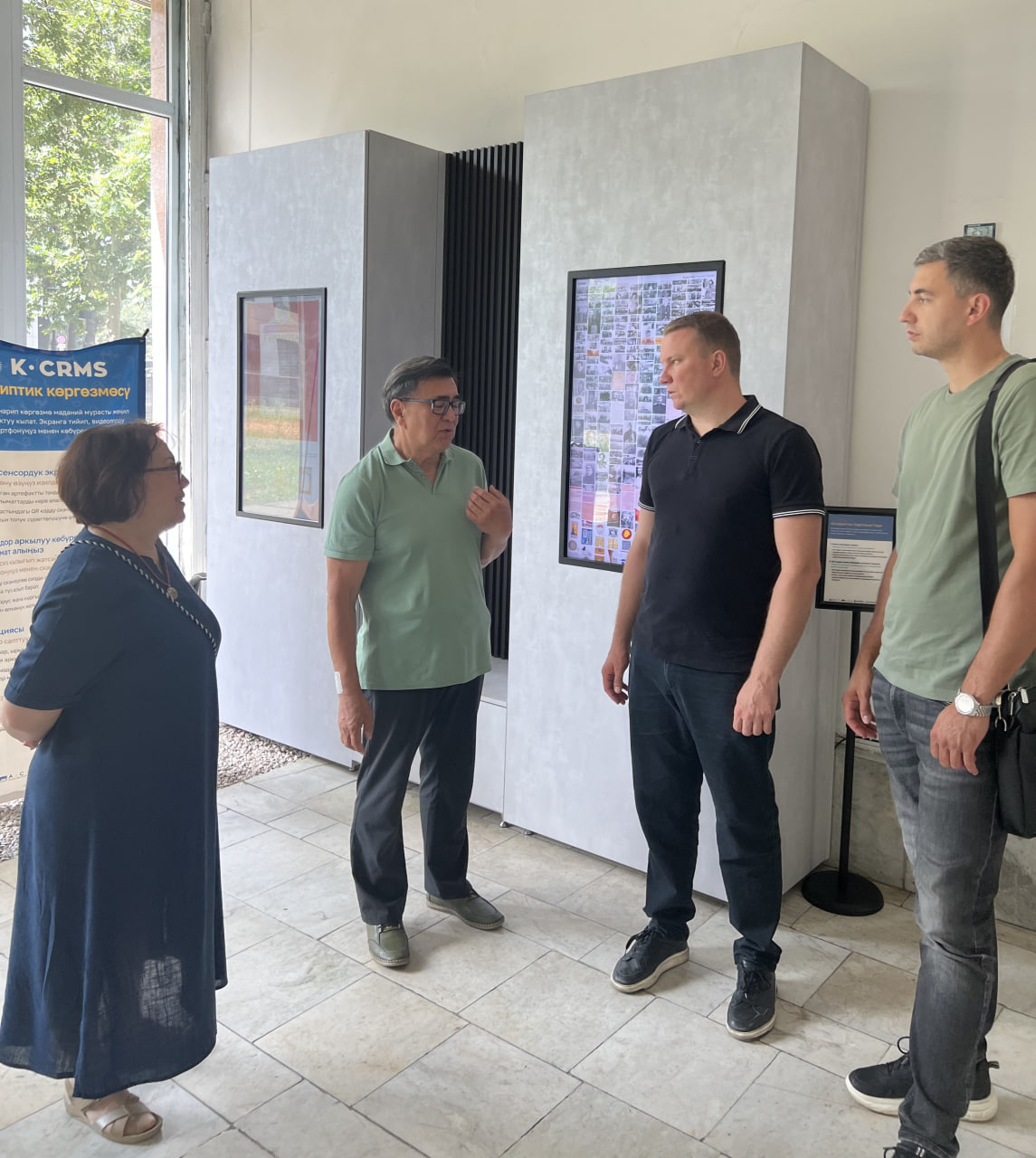
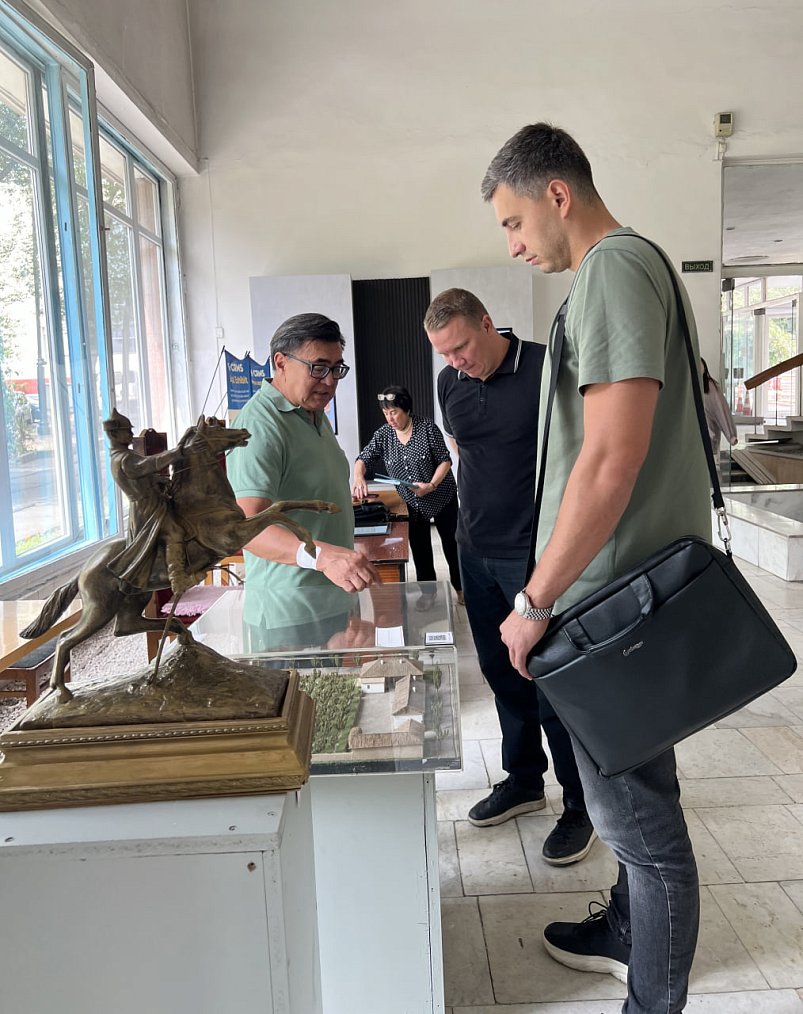
In the Memorial House-Museum of M.V. Frunze held a working meeting between Vice-Rector for Youth and Information Policy of KRSU Stanislav Kulikov, Head of the Department of Physical Education, Sports and Tourism Evgeniy Zeitler and Director of the Keneshbek Almakuchukov Museum.The main topic of discussion was the preparation of the Second Chess Tournament, dedicated to the memory of M.V. Frunze, which will be held in September 2026 as part of the implementation of the Decree of the President of the Kyrgyz Republic «On urgent measures for the development and popularization of chess in the Kyrgyz Republic for 2026–2030».The meeting participants inspected the competition sites and discussed organizational issues of the tournament. The museum management expressed its readiness to provide both interior premises and open spaces of the museum complex for events.The parties also discussed issues of further development of cooperation between the university and the museum. KRSU has been implementing the practice of visiting museums for first-year students as part of adaptation and educational activities for several years. In the new academic year, the university plans to expand this work and create a schedule for visiting twelve museums in Bishkek, so that each academic group can get acquainted with the history and cultural heritage of Kyrgyzstan. Memorial House-Museum of M.V. Frunze became one of the first cultural institutions with which specific agreements were reached on organizing such work.Special attention was paid to the preparation of a cooperation agreement. Earlier, the rector of KRSU Sergei Volkov and the director of the museum Keneshbek Almakuchukov agreed to develop a partnership aimed at implementing joint educational, educational, sports and cultural projects, as well as more active use of the capabilities of the university and museum to work with students and youth.The meeting participants noted that cooperation will allow them to join forces in preserving historical memory, popularizing chess and expanding educational activities among young people.