The Rector of KRSU spoke at the Indian-Russian Educational Summit in New Delhi
.jpg)
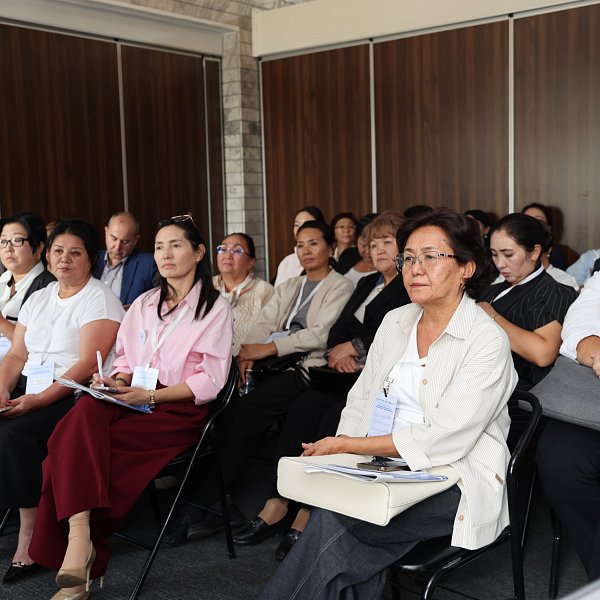
Rector of the Kyrgyz-Russian Slavic University Sergei Volkov takes part in the II Indian-Russian Educational Summit «Russian Education 2026», which takes place in New Delhi on May 28–29. At a panel session dedicated to youth partnership in Russian-Indian cooperation, he presented a report on the strategy of interaction in the Russia-Kyrgyzstan-India triangle.In his speech, Sergei Volkov spoke about the university, which over 33 years has become one of the leading international educational centers in the region. Today, KRSU has students from many countries, including 569 from India. According to the rector, the main person at the university remains the student - the entire support infrastructure is focused on him: the institute of curators and elders in each group, the opportunity to combine study with work, student medical teams going for internship abroad.Volkov also noted the university’s developed partnership network: the best students receive personalized scholarships from the largest Russian corporations - Gazprom, Rostec, Rosatom and a number of other companies actively involved in the development of the university. KRSU's youth policy is based on an event model with a managed ecosystem, covering student organizations, trade unionism and volunteerism.II Indo-Russian Education Summit & Expo 2026 is one of the largest bilateral educational platforms, bringing together more than 100 universities, over 200 official delegates and more than 25 speakers this year. The summit is not focused on a presentation format, but on the conclusion of specific agreements: the launch of joint programs, academic exchanges and double diplomas. Experts view such events as an element of broader Eurasian educational integration with the participation of Russia, India, China and Central Asian countries.The presence of KRSU at a site of this level reflects the university’s consistent course towards strengthening international positions and participating in the formation of long-term educational ties in the Eurasian region.