An international congress «Youth in Greater Eurasia» dedicated to the 10th anniversary of the EAEU opened at KRSU
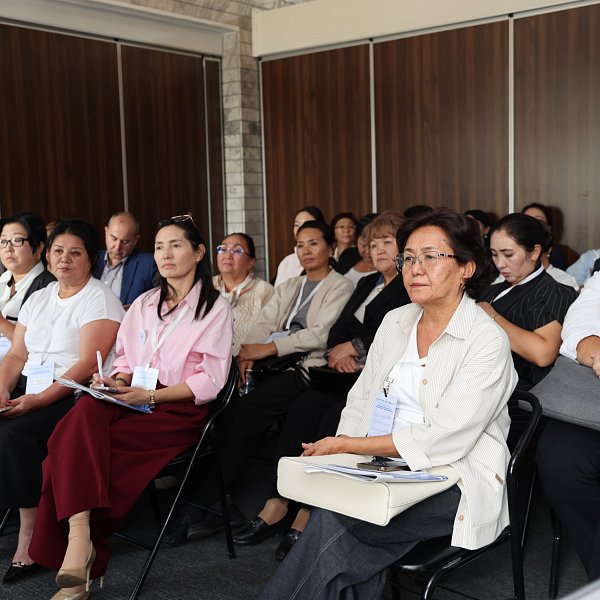
The Kyrgyz-Russian Slavic University hosted an international congress «Youth in Greater Eurasia: potential, risks, security, cooperation», dedicated to the 10th anniversary of the Eurasian Economic Union (EAEU). The event was attended by young scientists from the EAEU member countries, including Russia, Kazakhstan and Kyrgyzstan. The purpose of the congress is to create an analytical platform for discussing key issues of cooperation, security and potential of youth in the Eurasian space.
Deputy Minister of Education and Science of the Kyrgyz Republic Rasul Abazbek uulu made a welcoming speech. He emphasized the importance of such initiatives to strengthen interstate dialogue and increase the role of youth in solving pressing challenges of our time. According to him, the congress is becoming an important platform for the exchange of experience and the development of joint scientific projects that will contribute to the prosperity of the region.
Vice-Rector of KRSU Azamat Naimanbaev also noted:
«Our task is — to unite young researchers from the EAEU countries to create long-term partnerships. We are confident that such events help to identify the potential of future leaders in science and business, and also contribute to strengthening ties between universities and the scientific communities of our countries».
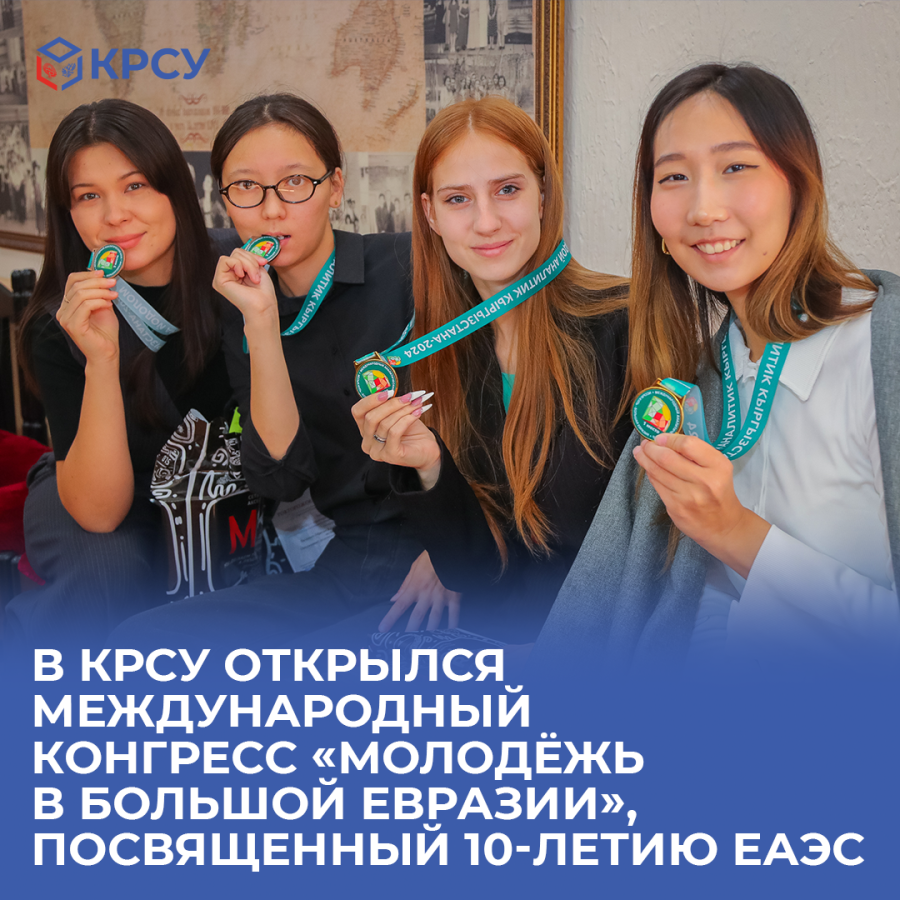
As part of the congress, the winners of the national competition were awarded «Young Analyst of Kyrgyzstan». Students who distinguished themselves in analytical activities received memorable gifts for their contribution to the development of scientific analysis and forecasting. The Congress will continue in Issyk-Kul, where over the next two days participants will enjoy panel discussions, round tables and master classes aimed at expanding the scientific and analytical potential of young scientists.