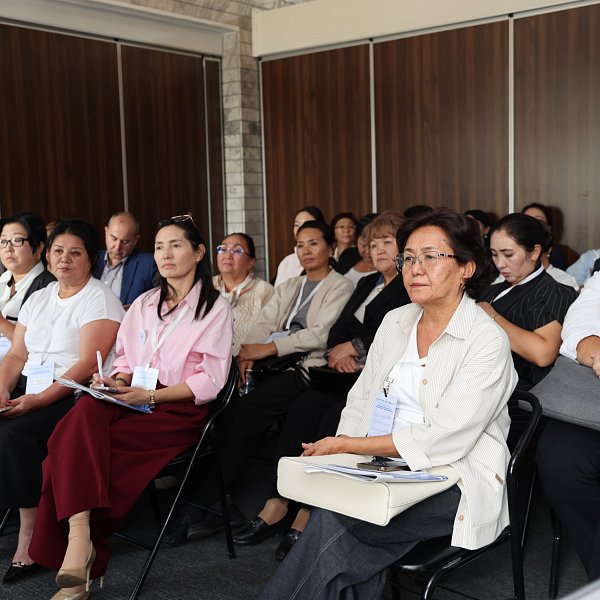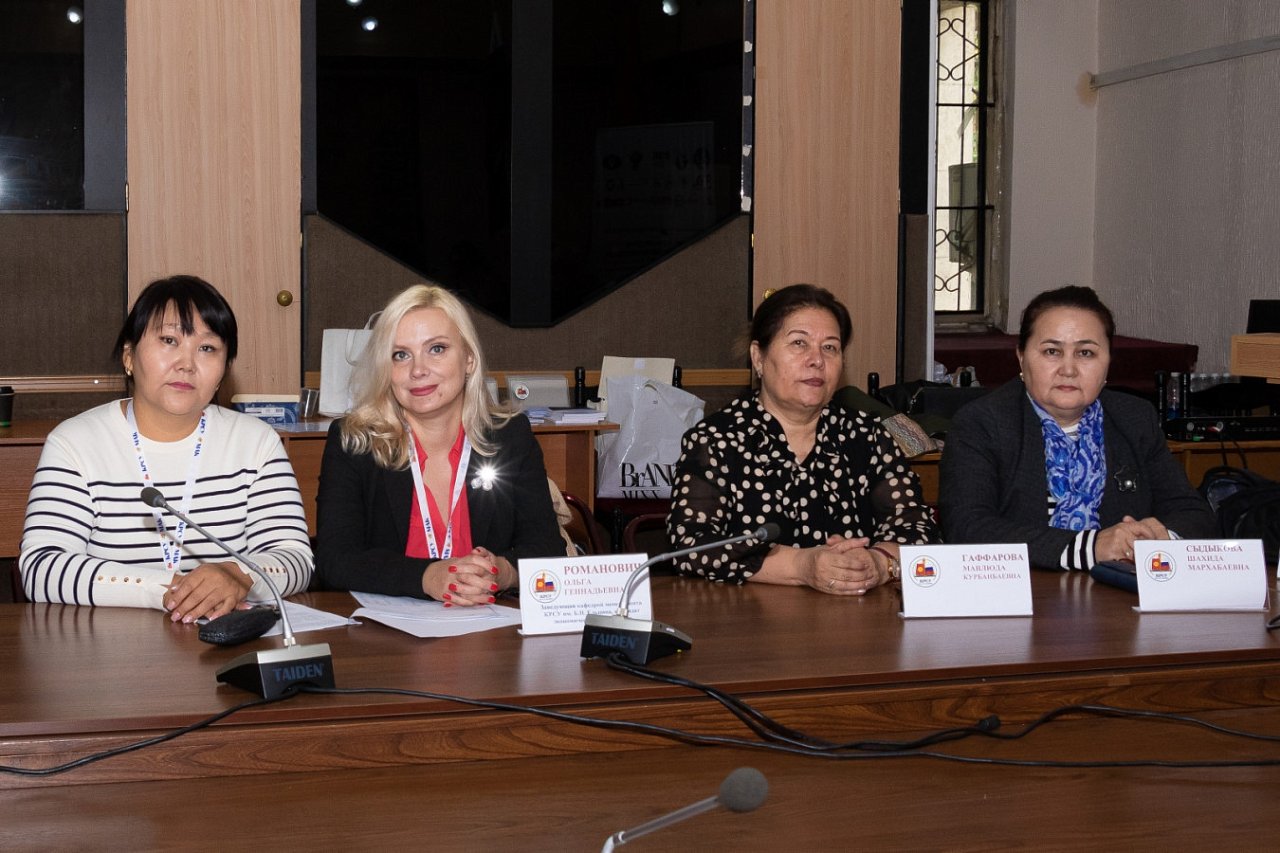
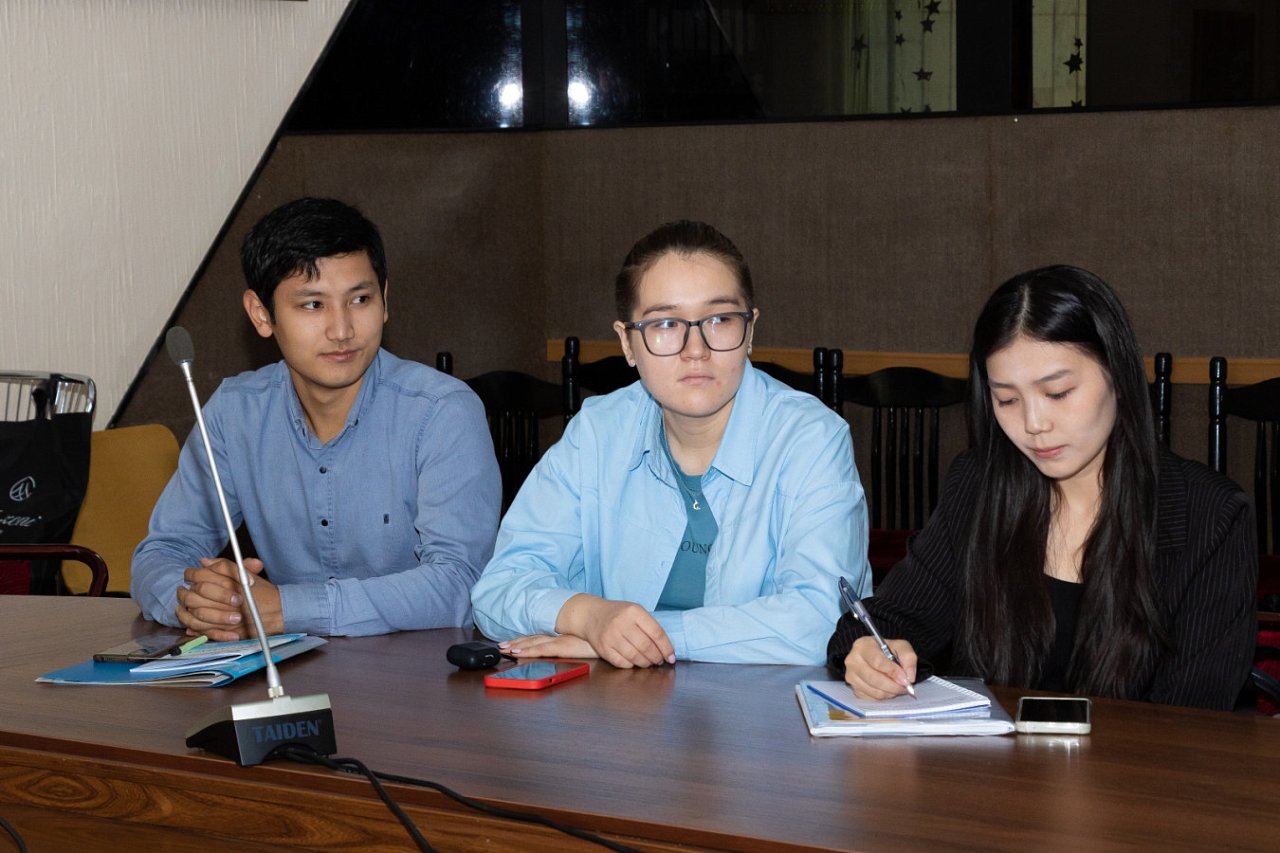
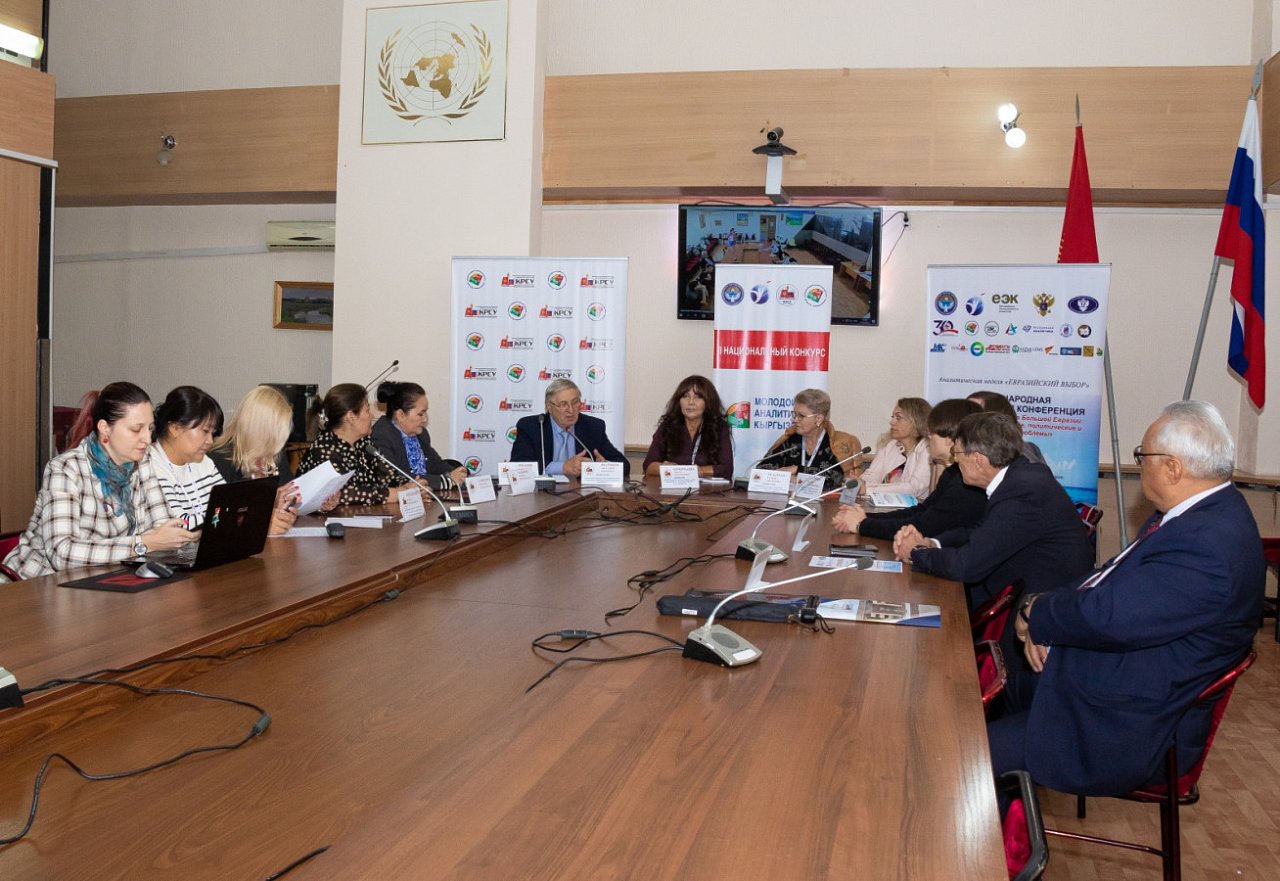
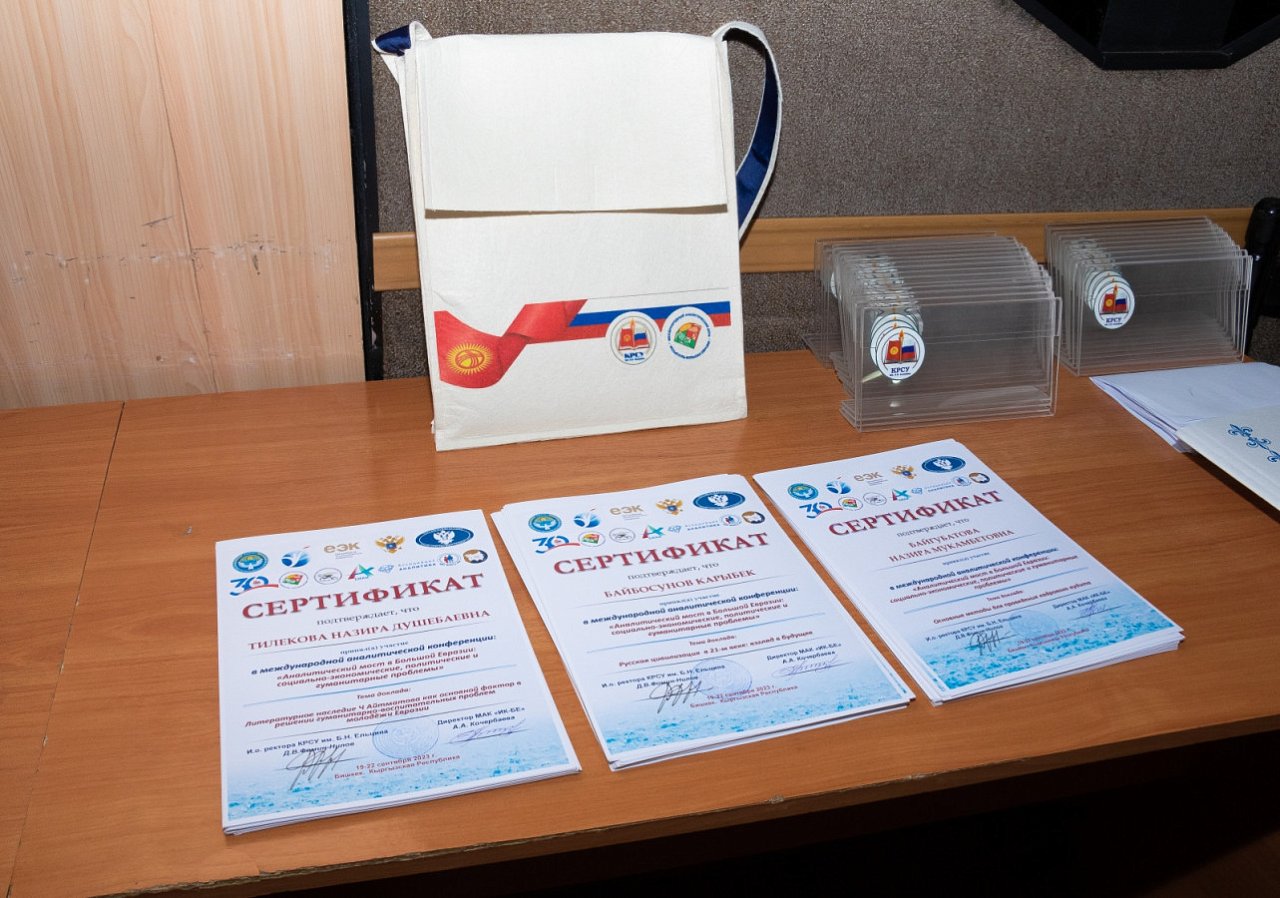
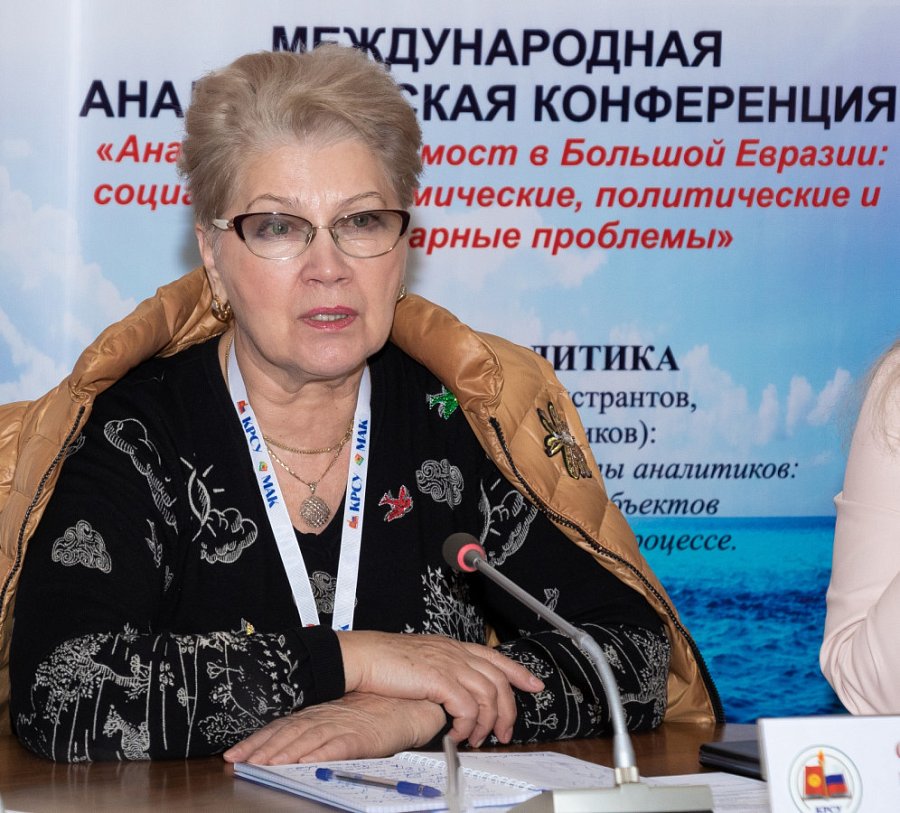
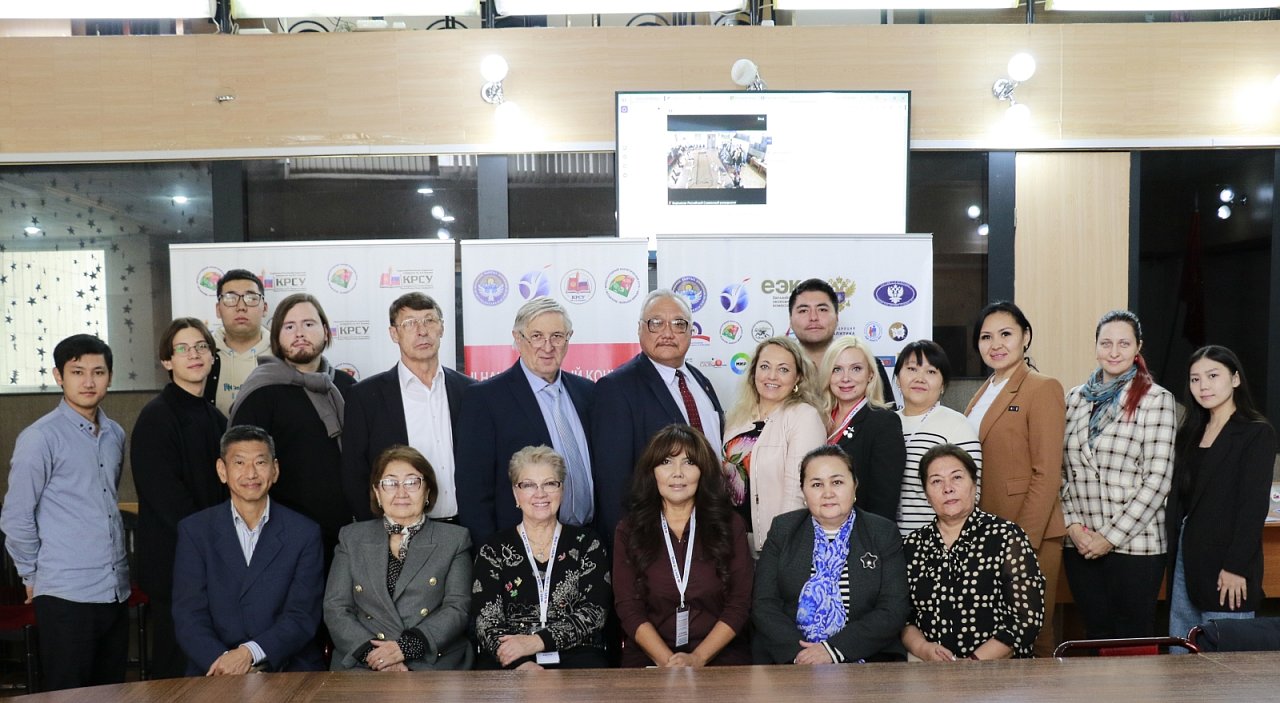
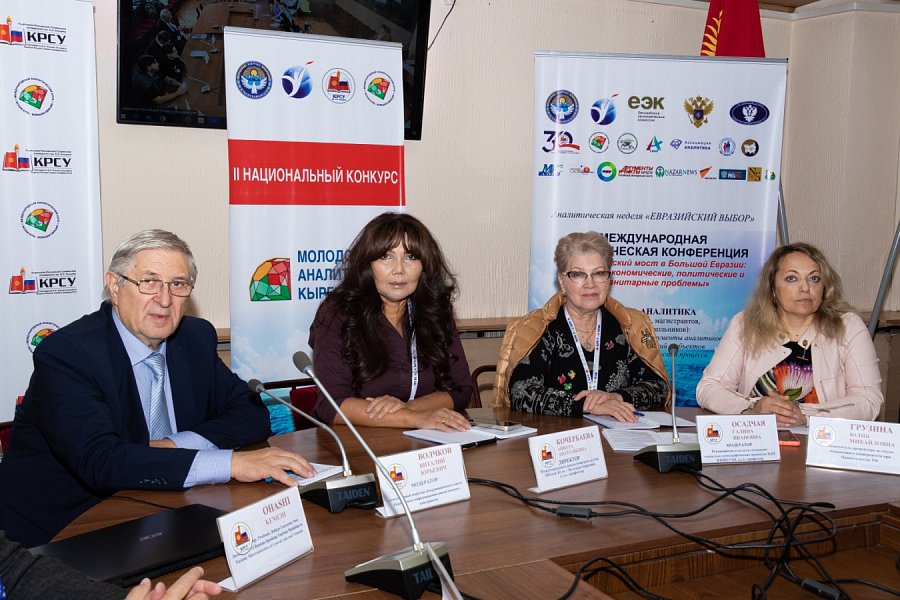
At the Kyrgyz-Russian Slavic University within the framework of the International Conference «An analytical bridge in Greater Eurasia: socio-economic, political and humanitarian problems» advanced training courses for analysts were held.
The first days of the large forum were devoted subject analytics of problems in politics, economics, socio-humanitarian sphere, and on September 21, in the conference hall of the main building, experts tried to answer questions about the organization of analytical activities in a global sense.
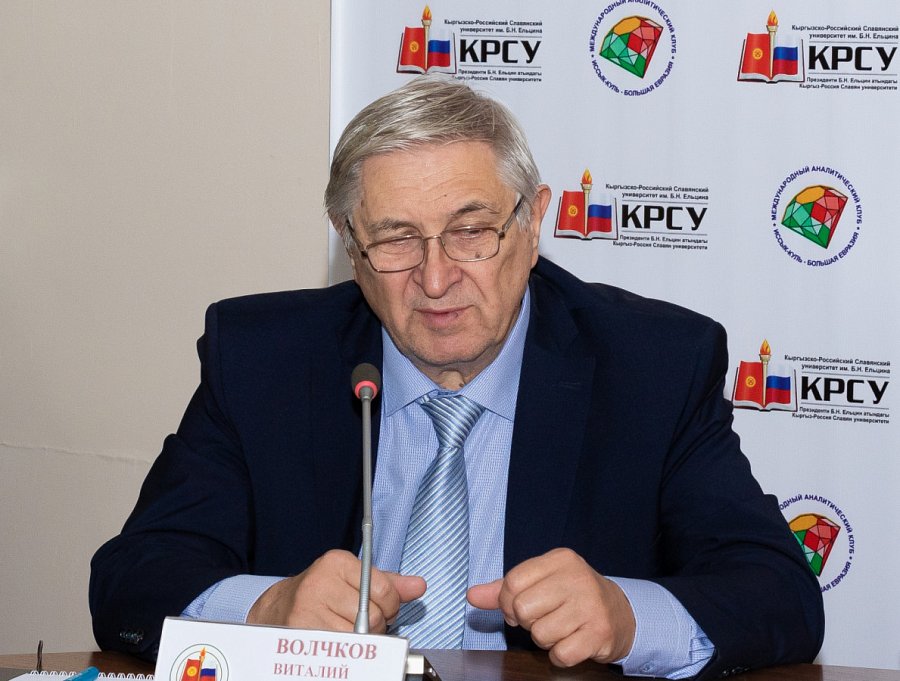
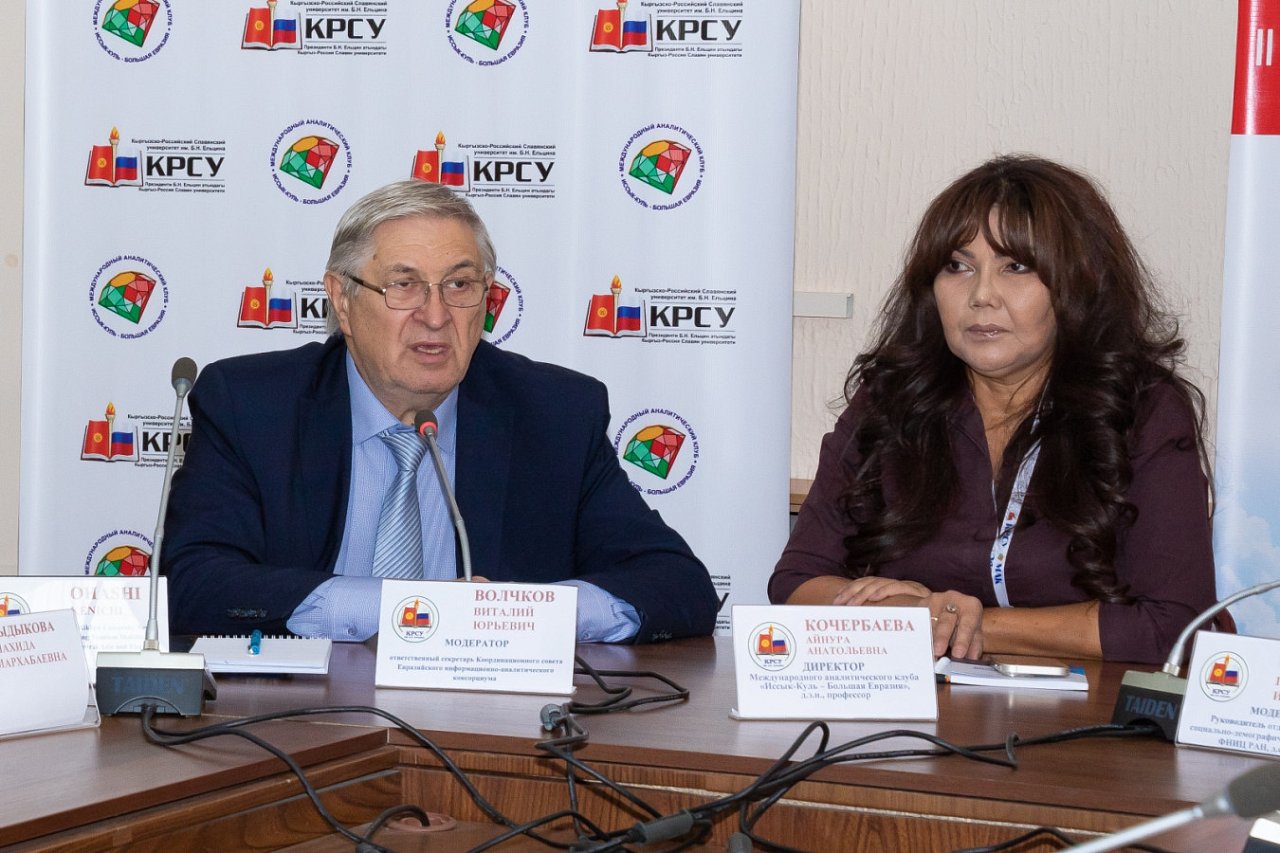
The current level of analytics organization, in principle, cannot guarantee to provide the state and society with a product of the required quality. This conclusion was made by the executive secretary of the Coordination Council of the Eurasian Information and Analytical Consortium, Candidate of Historical Sciences Vitaly Volchkov. As part of the advanced training courses for analysts, the lecturer presented a report prepared jointly with Alexander Ivanov, a member of the Scientific and Methodological Council on the methodology of the Association «Analytics».
The rooted practice of using «exchange analytics» is cited as the reason for these shortcomings. It is proposed to abandon it in the proposed course in favor of an analytics model that would fully reproduce the full technical cycle of analytical activity.
The courses offer «equipping» analysts with technology for guaranteed production of a quality product based on collective forms of creative production. Experts equipped with such technology, according to V. Volchkov, working in a team, can organize cooperative interaction that will allow obtaining a significant increase in analytical potential and, on its basis, – a reliable and justified analytical product, and not a semi-finished product, as in the case of analysts using procedures simple exchange of opinions.
Course participants concluded that improving the technological process of obtaining a professional-quality analytical product is possible by combining knowledge and skills in processing initial information, situational descriptions with the position of value analytics; selection of conceptual tools; revealing the main problems and correctly prioritizing them; drawing up hypotheses about all possible scenarios; designing proposals and recommendations that are significant for the formulation of decisions, operational action plans or situational responses that correspond to strategic ones so do operational settings.