About the relevance of Russian culture today
At this difficult time, the Russian Academy of Sciences invited scientists, university teachers and teachers of secondary schools in Russia, Belarus, Ukraine, Kyrgyzstan and a number of foreign countries to discuss the problems of Russian education in the context of the civilizational confrontation between Russia and the West.
Important questions were put to this discussion, such as
—what is the essence and orientation of education in Russia – to form consumers with a hedonistic attitude and the goal of life to receive only pleasure from it, or creators of their own destiny and creators of well-deserved success in life?
—what are the distinctive features of domestic education in the conditions of civilizational confrontation between Russia and the West?
—what are the best traditions and experience of domestic education, incl. Soviet period, can be used in reforming Russian education and in the practice of scientific and pedagogical activities?
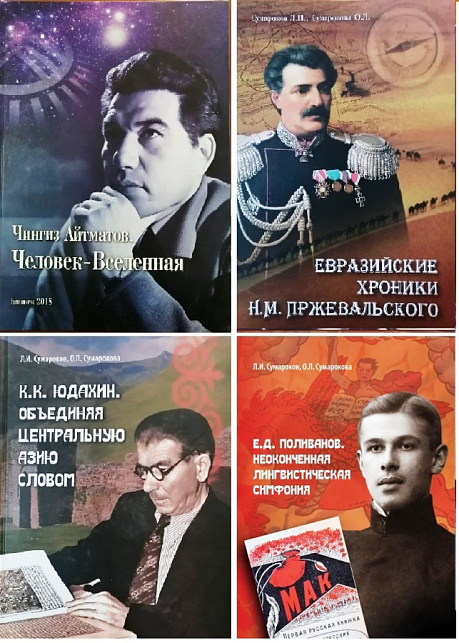
A significant contribution to the consideration of these issues at the Moiseev readings was made by scientists from Kyrgyzstan, who presented a report «Russian language as the unifier and foundation of historical memory in the post-Soviet space» and a presentation of a book series «Eurasian creators» dedicated to scientific and cultural figures whose work and creativity served for the benefit of integration and development of Eurasia.