Scientific and Innovation Department
The scientific and innovation department as a structural unit of the IRY KRSU began functioning in October 2020.
The main tasks of the Research and Innovation Department are
- organizing and conducting scientific research on the problems of functioning of the Russian language in Kyrgyzstan;
- development of scientific and methodological problems of teaching the Russian language in schools and universities of Kyrgyzstan;
- creation of textbooks and teaching aids for schools and universities in Kyrgyzstan;
- training of scientific and methodological personnel in the Russian language through graduate school and dissertation council;
- work on preparing grant projects on the problems of functioning of the Russian language and methods of teaching it
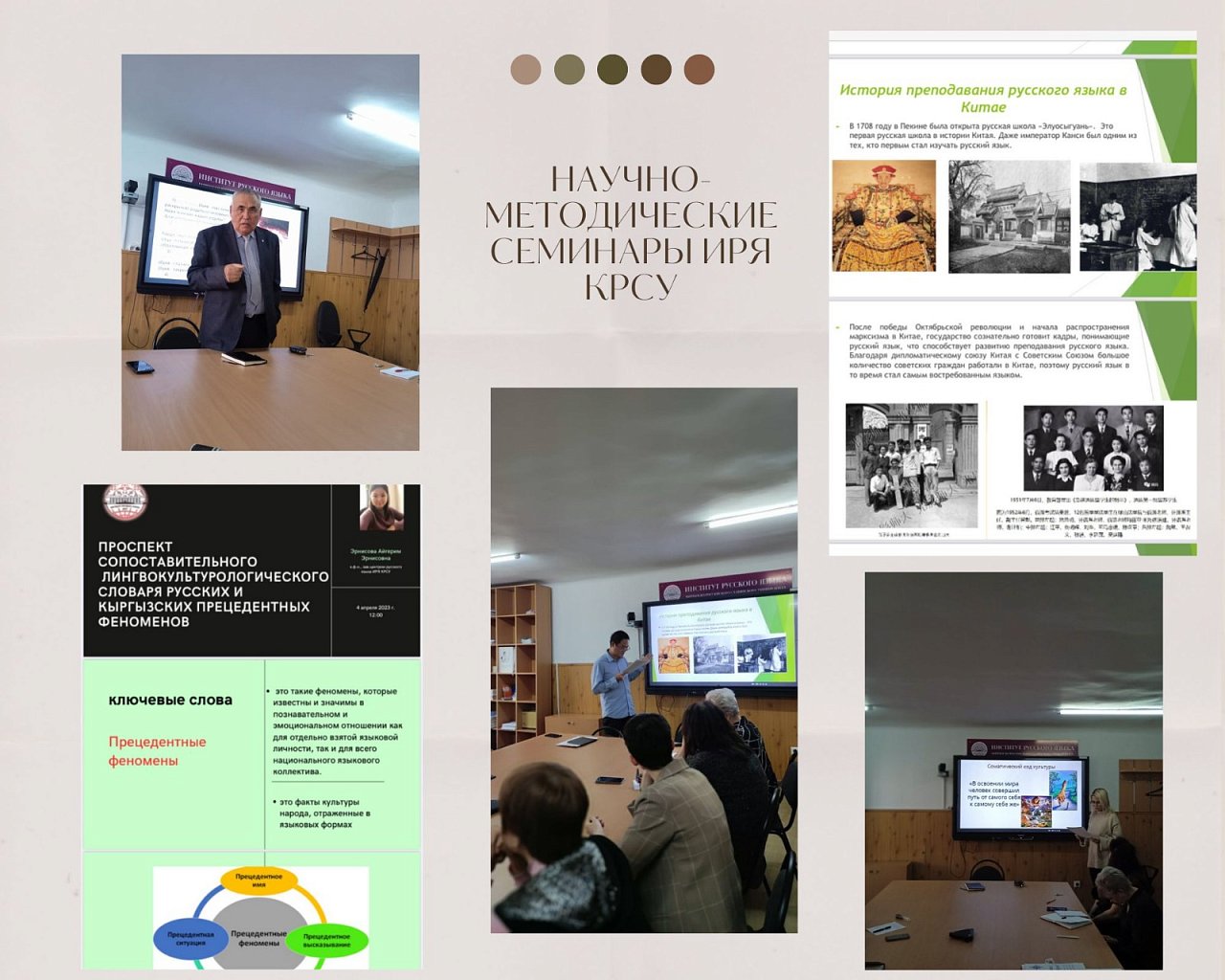
Research seminars at the Russian Language Institute
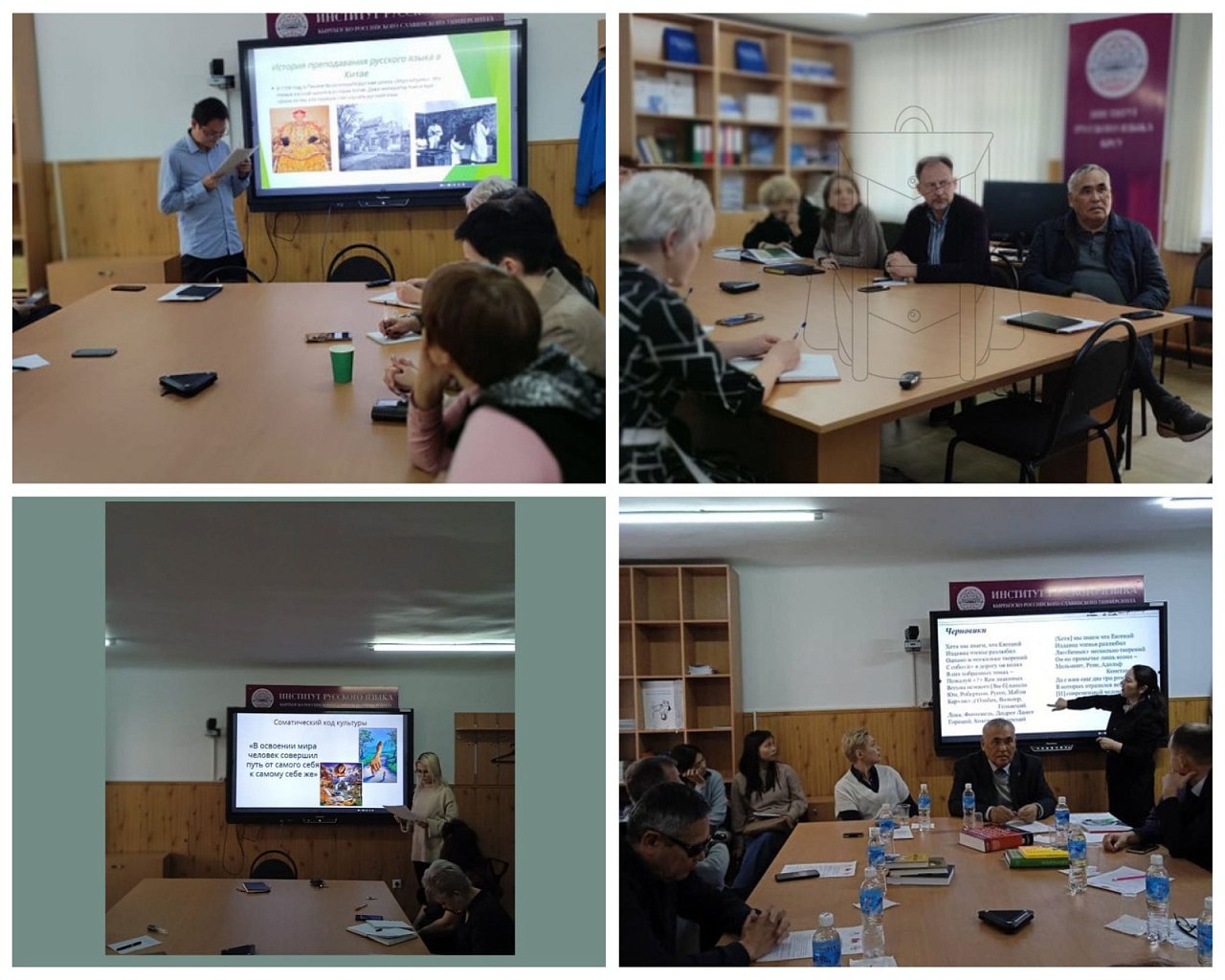
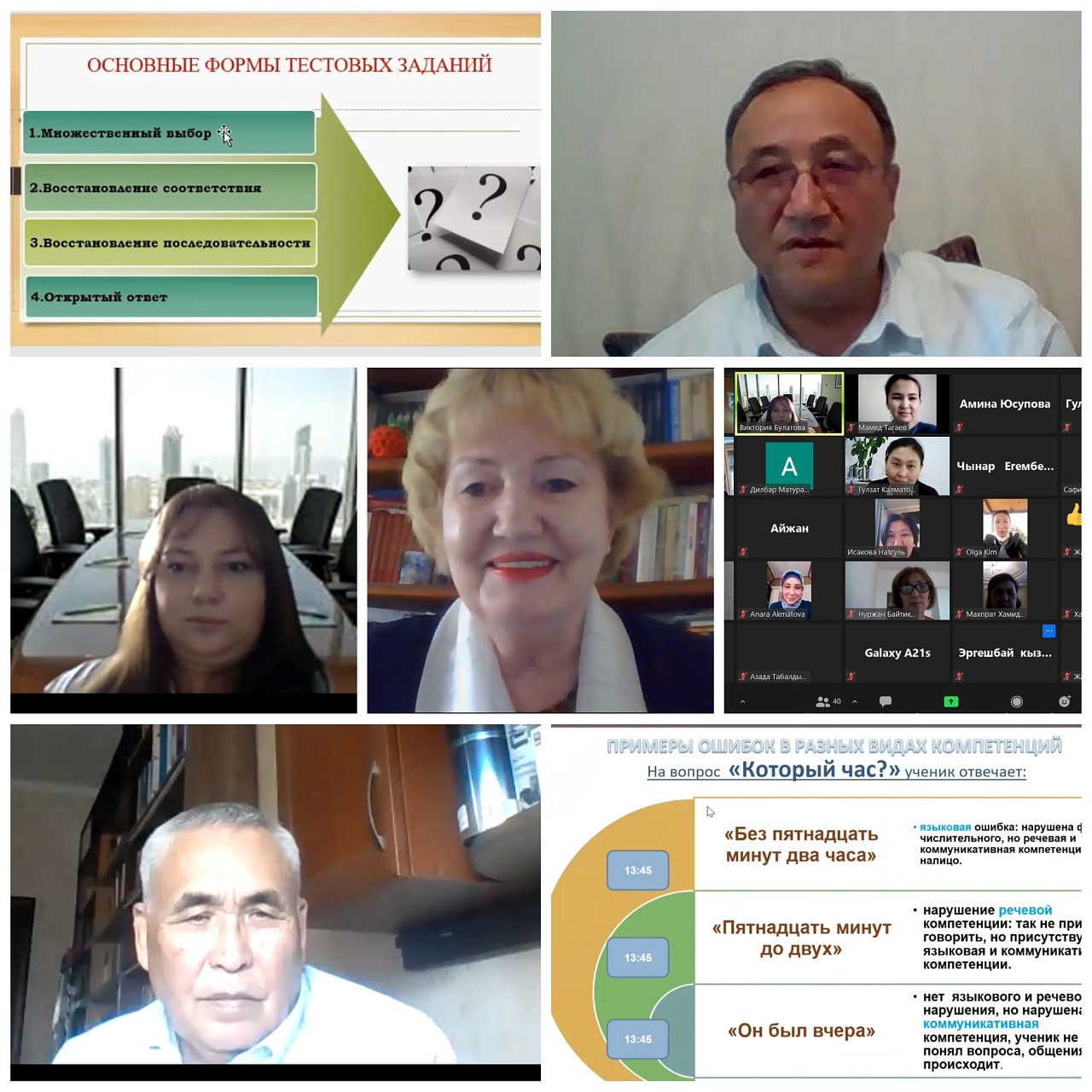
The series of scientific and methodological seminars, held from January 26 to June 13, 2023, ended at the KRSU. Scientific and methodological seminar – is one of the main tools for the development of scientific activity at the Institute. Thanks to such events, employees have the opportunity to expand their knowledge and skills in the field of linguistics and teaching methods, exchange experiences and find new ways to develop a scientific career. During the seminars, IRA employees made presentations, made presentations, and also held discussions on current issues in the study, promotion and development of the Russian language, and the results of scientific research conducted at the Institute were presented.

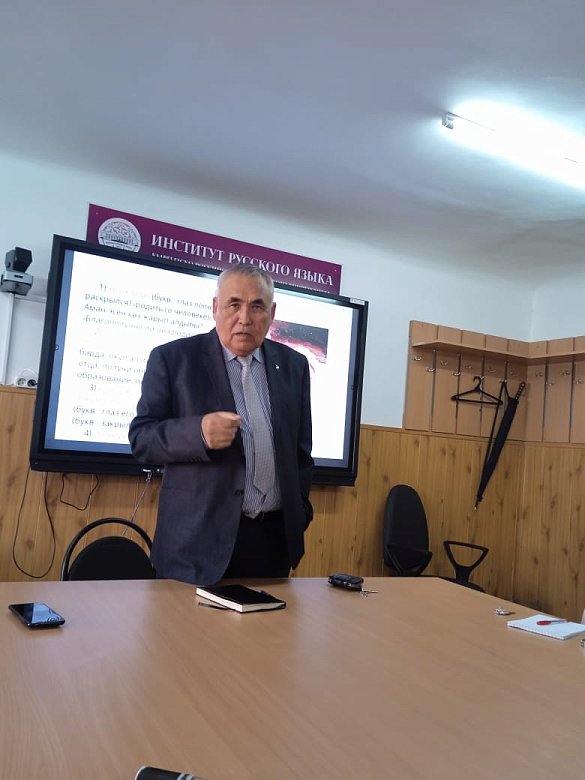
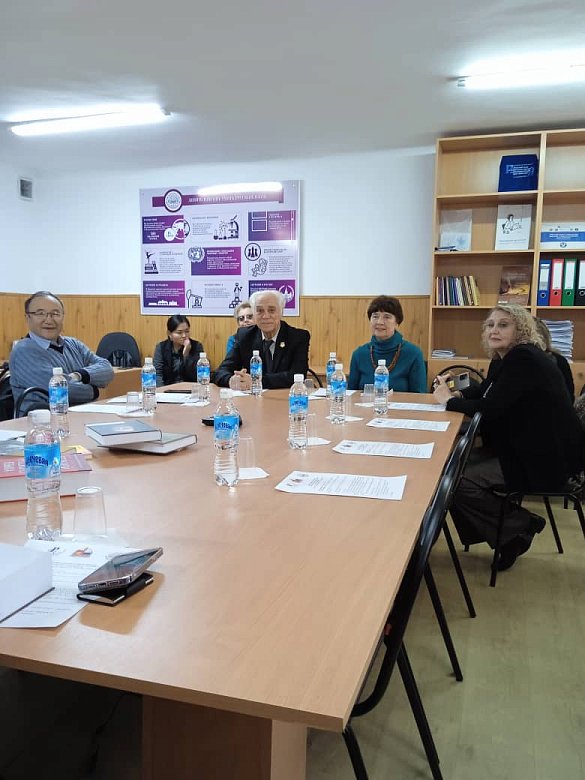
The series of seminars was opened by M. Tagaev, director of the institute, with a report «Linguistic and cultural code as a way of axiological description of the national and cultural uniqueness of languages». The message suggested that the uniqueness of language is determined not only by the typological features of the grammatical system, its «main drawing», but lies much deeper – in the field of national-cultural building of the linguistic picture of the world, assessing its facts taking into account the traditions and economic activities of the ethnic group. The content space of the linguistic picture of the world and the values deposited in linguistic signs are formed through linguistic-cultural coding, thanks to which national-cultural originality and axiology of language are created.
The next report was presented by L. Troshchenko, head. courses in Russian as a foreign language, – «Features of the lexical-semantic group of verbs in the Russian language in the aspect of teaching RCT in Kyrgyzstan». The discussion participants noted the relevance of the proposed topic: teachers of Russian as a foreign language very often encounter the fact that one of the common mistakes of foreign students is – the use of verbs «walk», «go» and «drive».
Due to the fact that all scientific articles require correct bibliography and must meet certain parameters, N. Sorochaikina, methodologist at the Institute of Russian Language, made a report «Modern requirements for the scientific apparatus of the article (using the example of the journal «Bulletin KRSU)».
IRA specialist Z. Altybaeva covered the topic «Children's bilingualism as a specific type of bilingualism», revealing the content of the question of what is the typology of children's bilingualism in Kyrgyzstan; she spoke about such a phenomenon as «first and second language». According to the results of Z. Altybaeva’s research, in relation to Kyrgyzstan, two types of individual children’s bilingualism can be distinguished: subordinative and coordinating.
Since the book fund of the Republic of Iran thanks to the House of Russian Abroad named after. A. Solzhenitsyn was replenished with more than 300 books, the report of L. aroused interest. Shpak «Book – Library. Kyrgyzstan –Russia». In the extensive selection donated, literature of the broadest focus – fiction, history, memoir, art, architectural history, analytical, research, etc.
In our difficult times, the formation of ethno-cultural competence among schoolchildren plays a special role. N. Shalygina, an IRA specialist, made a presentation on the topic «Formation of ethnocultural competence in 9th grade students of secondary school» using the example of studying the story by A.I. Pristavkina «A golden cloud spent the night».
At the seminar, IRA specialist A. Moldomambetova made a report «The somatic code of culture as a way for a person to comprehend the world». She emphasized that the somatic code is the most ancient and is key to understanding cultural traditions and perception of the world around us.
S. Suslova’s speech was devoted to the problems of translating the epic «Manas» into Russian. According to the folk poet, «Manas» – is an iceberg, a huge part of which is hidden under water: there are many deep meanings in it. The option of Zhusup Mamai was chosen for the work. The storyteller lived in China for many years, so the version of the epic he told was not subjected to indoctrination; the melodica, «dark» and «light» sides of the people’s lives were preserved in it.
In turn, the head. Russian Language Center A. Ernisova presented of a linguistic and ave. cultural dictionary.
Linguocultural dictionary – a unique resource that allows you to compare precedent phenomena of the Russian and Kyrgyz languages. It is an indispensable tool for researchers, teachers and students who are interested in the languages and cultures of the peoples who speak these languages.
In the dictionary of descriptions, a precedent phenomenon is used to impart individual properties to a person, social institution, or object. Units in question – marks capable of storing, accumulating and transforming cultural information.
A. Tokombaev introduced the seminar participants to the report «Comparative characteristics of linguistic and cultural codes of time perception in Russian and Kyrgyz languages». Listeners learned how the idea of time changed from the era of Ancient Greece to the present day, taking into account the fact that such world religions as Islam, Christianity, and Buddhism appeared.
A special feature of the methodological seminars was that the guests’ reports were given: under the guidance of Associate Professor M. Kameneva, Department of Russian Language KRSU, Master’s student Sun Ming presented a final qualifying paper on the topic «National and cultural features of the content of texts in Russian language textbooks published in China». The speaker told how the history of teaching the Russian language in China developed. Currently, there is an active popularization of the Russian language in the Middle Kingdom: the Chinese Pushkin Society, the Association for the Study of Russian and Soviet Literature, and the Chinese Association of Teachers of Russian Language and Literature are working.
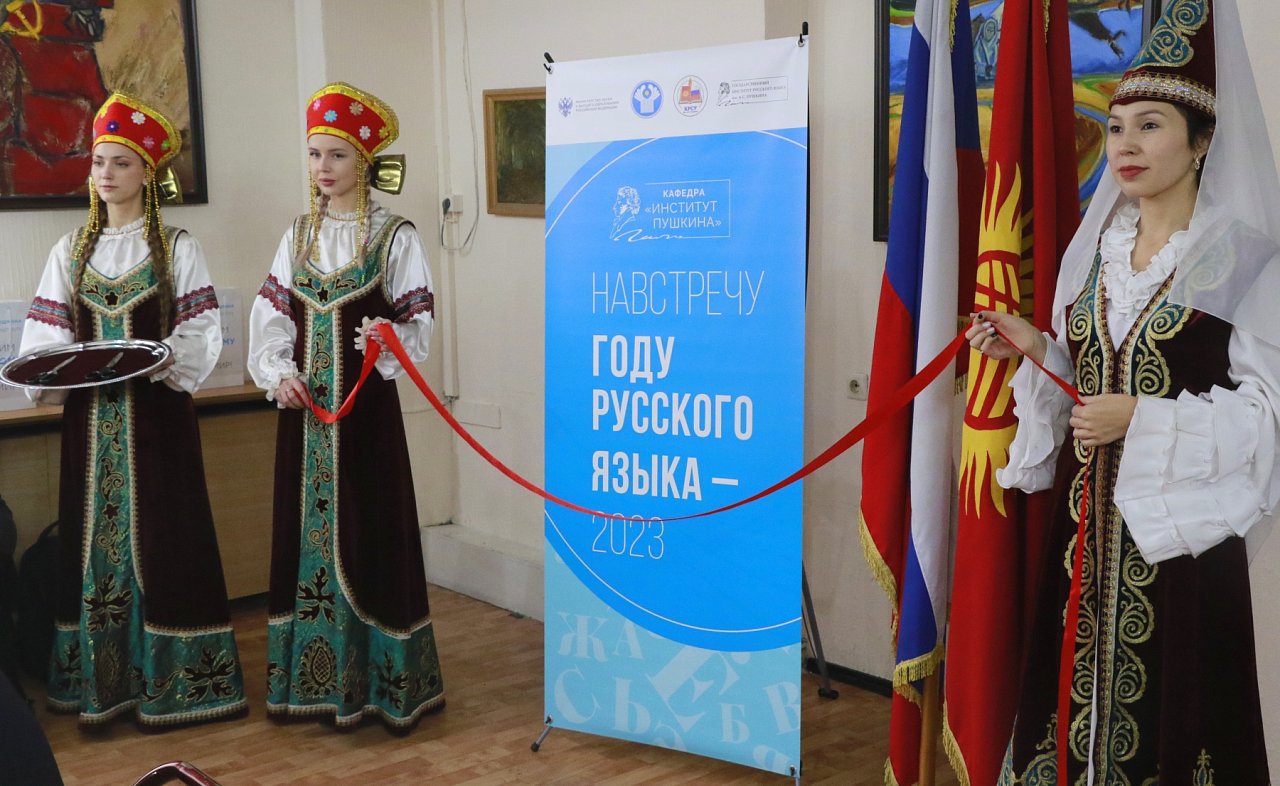
In general, research seminars at the Institute of Russian Language named after. A. O. Orusbaeva KRSU – an important tool for improving the quality of scientific work, developing the scientific community and expanding scientific knowledge in the field of studying and teaching the Russian language.