KRSU discussed the quality of training and new partnership projects
6 october 2026
Share:
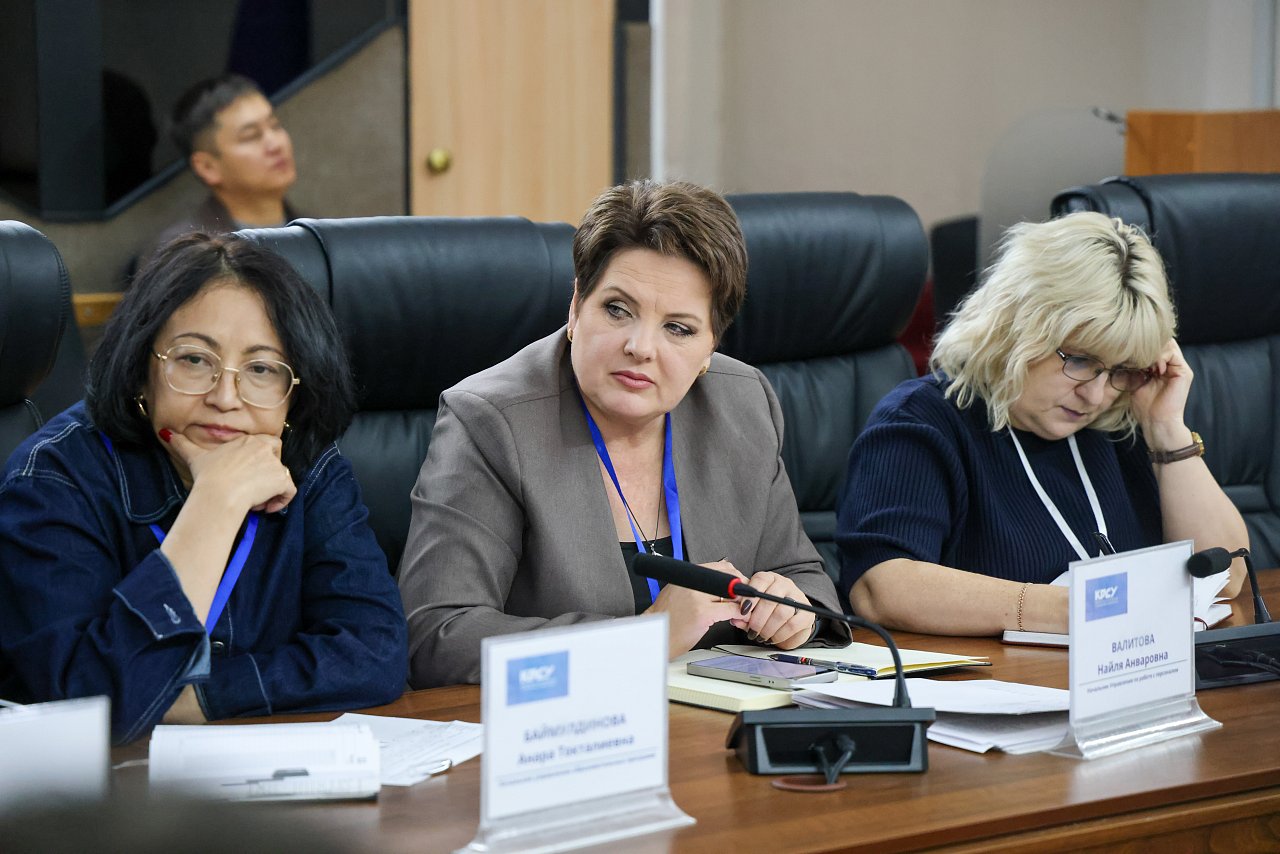
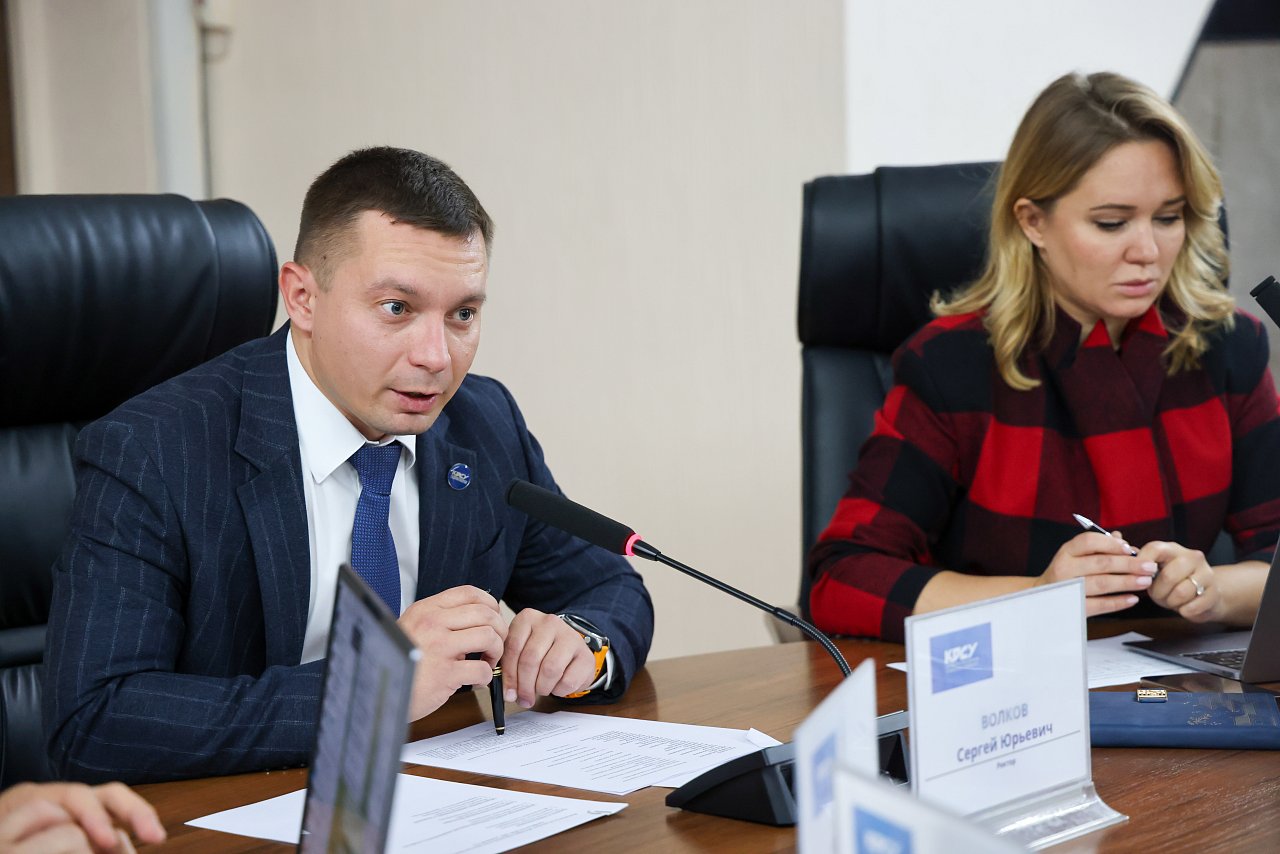
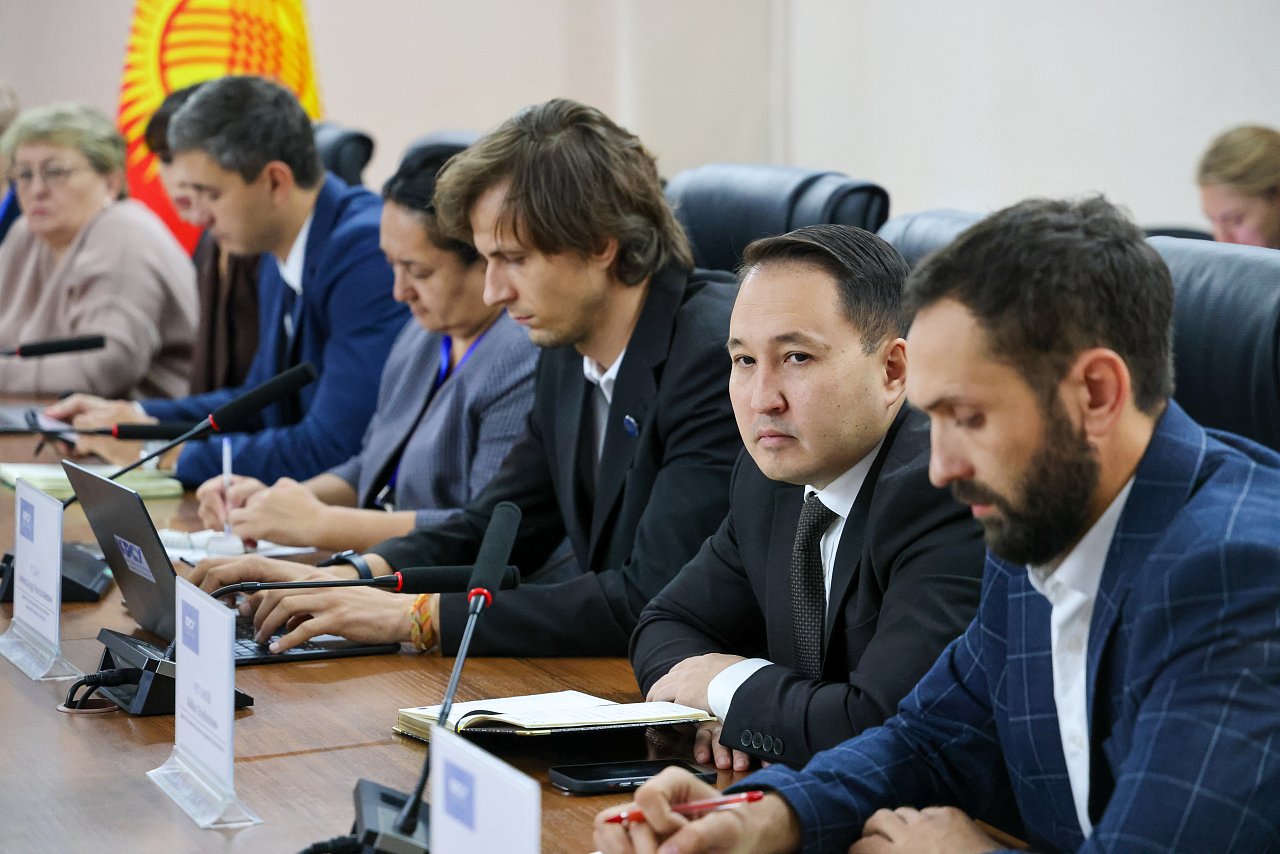
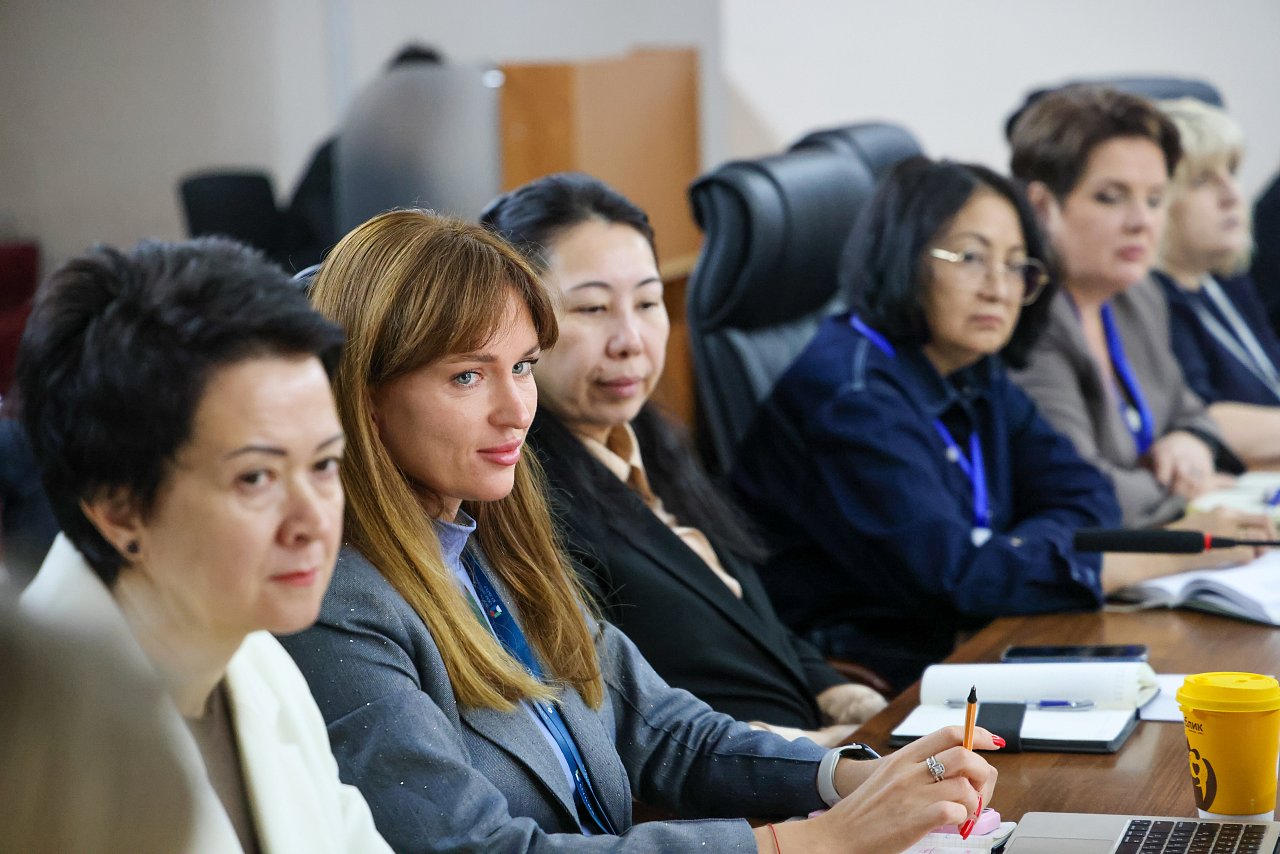
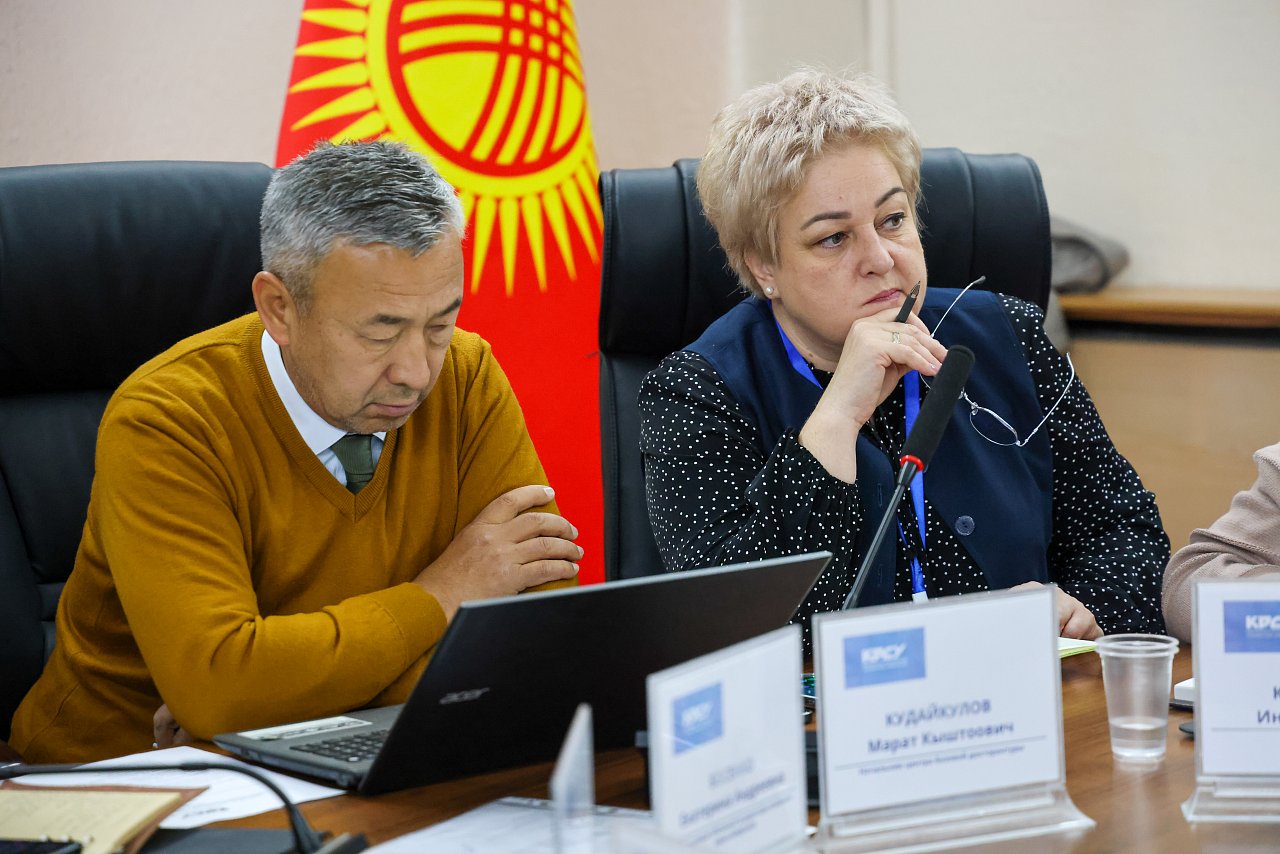
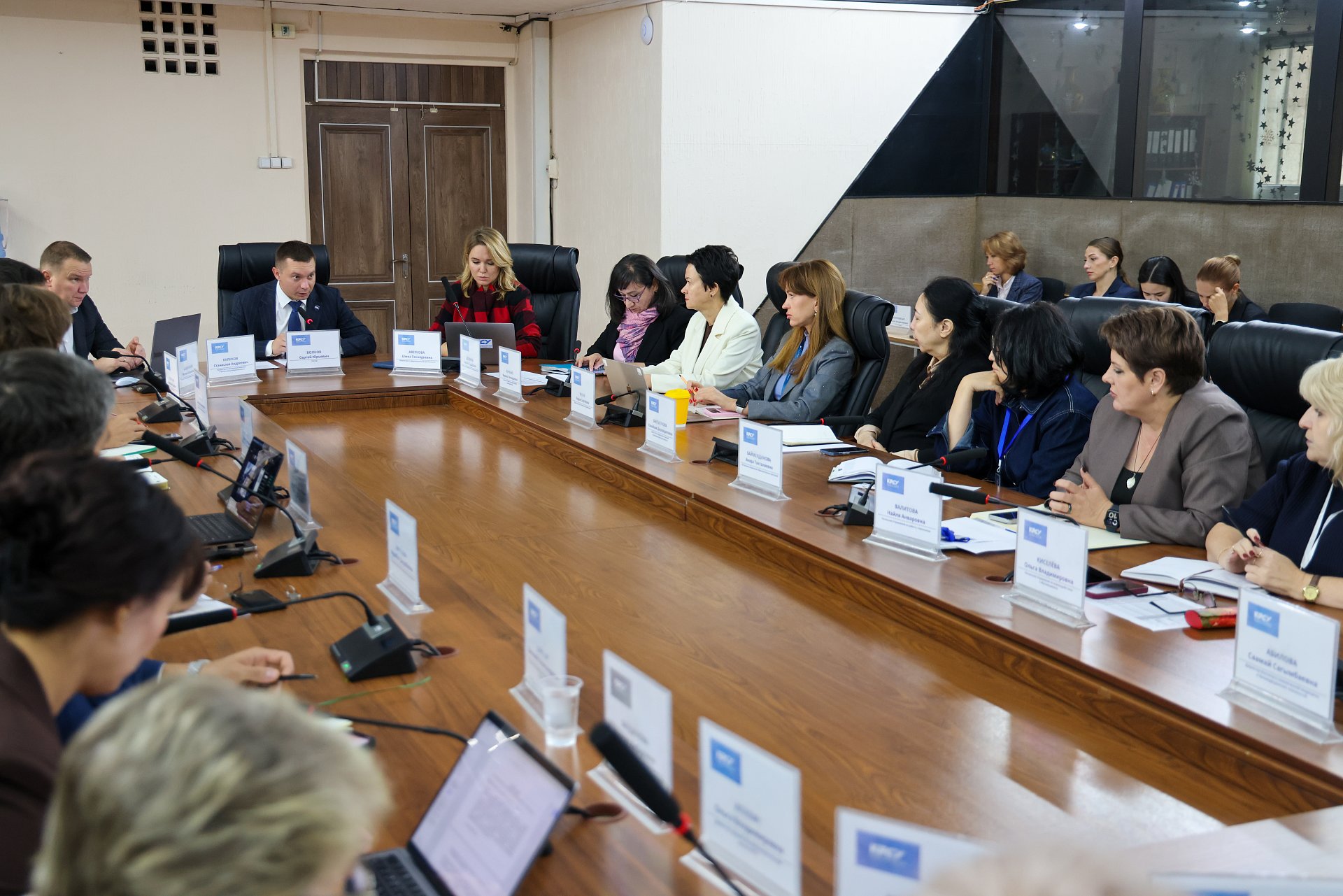
The Kyrgyz-Russian Slavic University discussed the possibilities of students moving to vacant budget places, training scientific personnel and developing digital learning. These issues were considered at a weekly meeting with vice-rectors and heads of departments chaired by Rector Sergei Volkov.
Vice-Rector for Educational Activities Elena Averkova said that the session on eliminating academic debts will last until October 15. Teachers need to timely enter the results into electronic statements to analyze the results of the session.
At the end of October – beginning of November, the university plans to hold meetings with students. They will talk about vacant budget places, translation opportunities and requirements for completing the curriculum. The meeting emphasized the need to inform students about the opportunity to continue their studies free of charge.
The possible expulsion of students with five or more academic debts following the winter session was also discussed. A final decision on this issue has not yet been made.
Special attention was paid to targeted training of scientific personnel. According to the data presented at the meeting, at the expense of KRSU, it is planned to train ten employees in PhD programs, seven graduate students and three doctoral students. The condition for targeted training provides for subsequent work at the university for at least three years.
Sergey Volkov emphasized that department heads must assess in advance the need for specialists and the ability to provide them with a training load after completion of training. The meeting also discussed increasing employee participation in doctoral studies and developing a support program that provides payments for the defense of candidate and doctoral dissertations.
The meeting participants summed up the results of the distance learning sessions on October 5. On this day, by decision of the President of Kyrgyzstan Sadyr Zhaparov, state and municipal institutions, ministries and departments, budgetary and educational organizations of Bishkek switched to remote work and training.
Based on the results of the test at KRSU, most teachers conducted classes on the Microsoft Teams platform. The technical service helped resolve issues that arose.
The development of e-learning courses is ongoing. The list for 2026 includes 54 courses against a plan of 50. Of these, 24 are already ready. They plan to complete the filling of the rest, conduct an examination and approval in December.
Another topic was the results of the educational forum, within which 12 agreements were signed. The agreements reached involve the joint implementation of educational programs and scientific projects. Among the expected results are the creation of new classrooms and attracting additional funding to the university.
Sergey Volkov drew attention to the implementation of roadmaps for cooperation with partners. Currently, 15 such documents are in the works, another nine are being developed or are being approved. In areas where interaction has been suspended, it was instructed to restore contacts and clarify the obligations of the parties.
As part of the development program, departments must submit reports by October 9. A meeting of the budget commission is scheduled for October 18, which will consider funding limits for the next year, taking into account the results of work and the use of allocated funds.
Participants also reviewed the implementation of the access system. The production and issuance of electronic cards to staff and students continues.
Following the meeting, the rector instructed the heads of departments to ensure the implementation of agreed activities and timely resolve organizational issues affecting the quality of the educational process.