The School of Educational Program Leaders has opened at KRSU
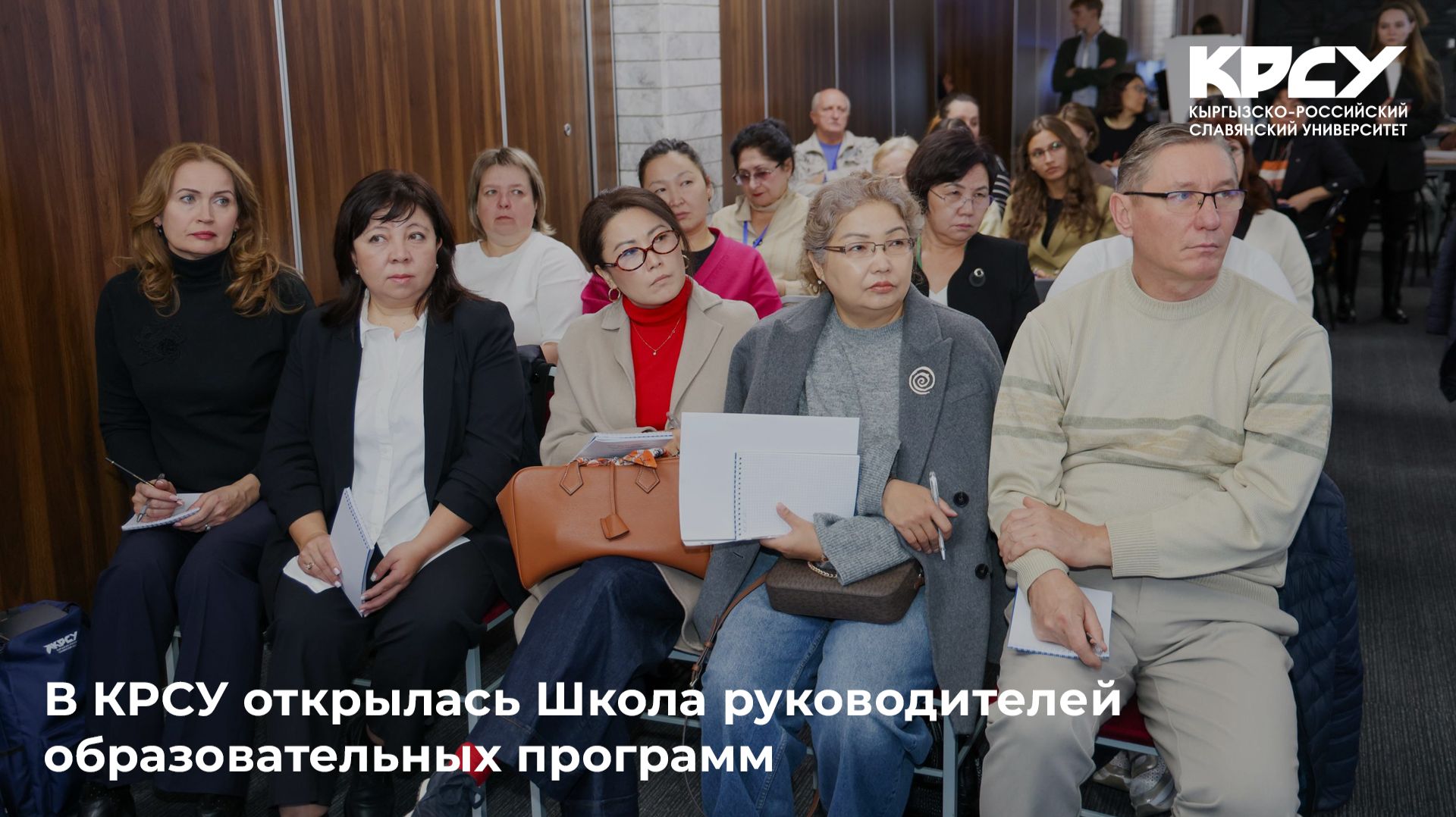
The School of Educational Program Leaders has opened at KRSU. 34 employees from three institutes and the L. S. Vygotsky Academy of Education will undergo training. Participants will have to master educational quality management tools and prepare plans for improving existing programs.
The academic director of the School is Olga Nazaykinskaya, scientific director of the L. S. Vygotsky Academy of Education, Doctor of Education. Opening the program, Rector of KRSU Sergei Volkov noted that the training of managers is of particular importance in the context of the university’s transformations. Faculties have been replaced by institutes, the management structure has changed, and responsibility for the development of educational programs is increasingly focused on their leaders.
«It is important for us that the educational program is in demand. But demand is determined not only by the admissions campaign. Demand is determined by what kind of specialist we put on the market with you. And the feedback that comes from the employer», – Volkov emphasized.
The rector called on participants to build work together with teachers, students and business representatives, take responsibility for the development of programs and unite the team to solve assigned tasks.
Of the 34 School participants, 22 have been working at KRSU for more than ten years. The training will make it possible to supplement the accumulated professional experience with management tools: data analysis, assessment of human and material resources, organization of teamwork and support of changes.
The program runs from November 2026 to May 2027 and includes six modules. They deal with the role of the leader, the analysis of the educational model, the recruitment and success of students, the content and methods of teaching, working with the team and resources, and the definition of development priorities.
Each module combines face-to-face intensive and online work. Participants will complete tasks based on existing educational programs: study documents and data, collect feedback, identify problems and justify proposed solutions. The work will be accompanied by curator-mentors. The result will be two documents: an individual map of the leader’s development and a map of the educational program with a diagnosis of its condition, a plan of changes and ways to evaluate their results.
The Rector expressed his readiness to support the implementation of reasonable proposals from the participants and thanked Olga Nazaykinskaya for the academic support of the School.


