KRSU moves to the institute model: ETF and FADiS will be merged into the Polytechnic Institute
25 june 2026
Category: Important events in the history of the university
Share:
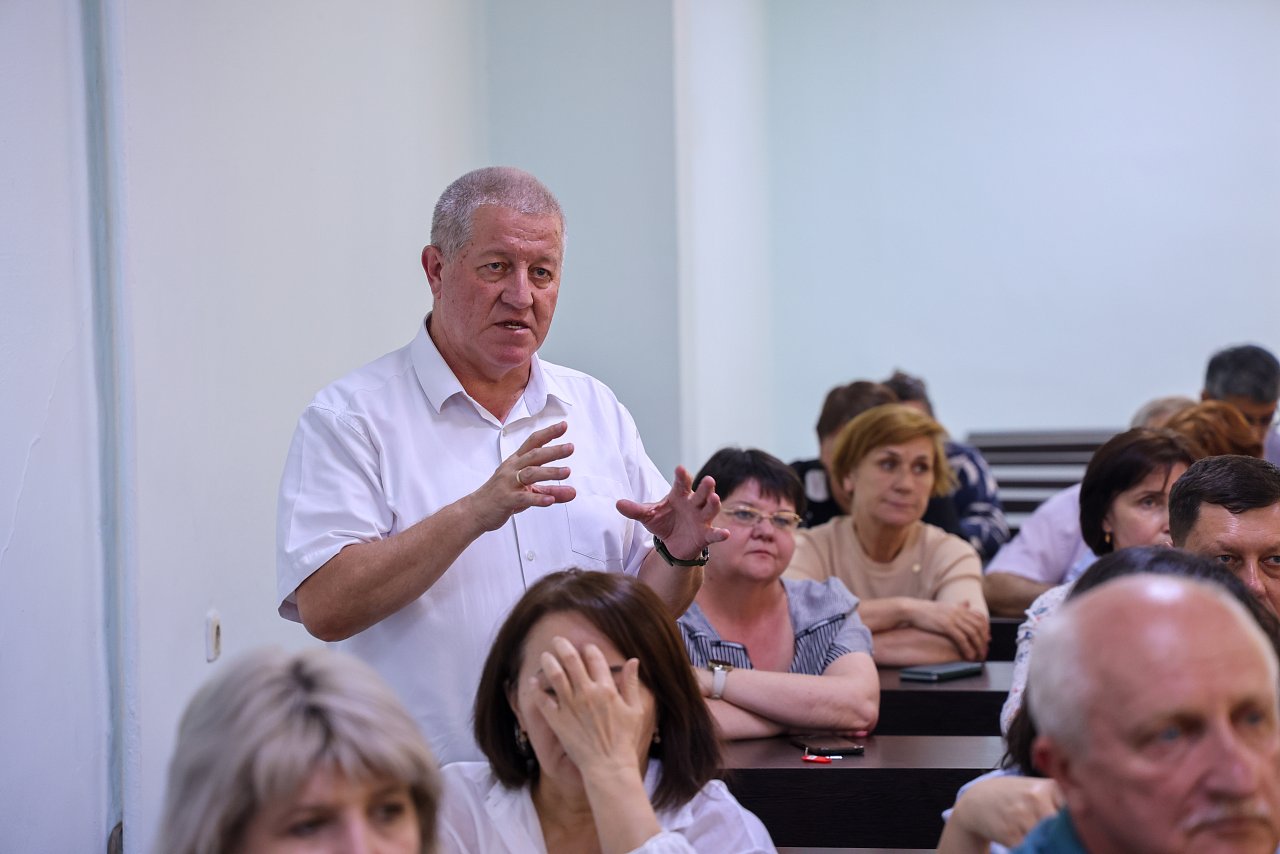
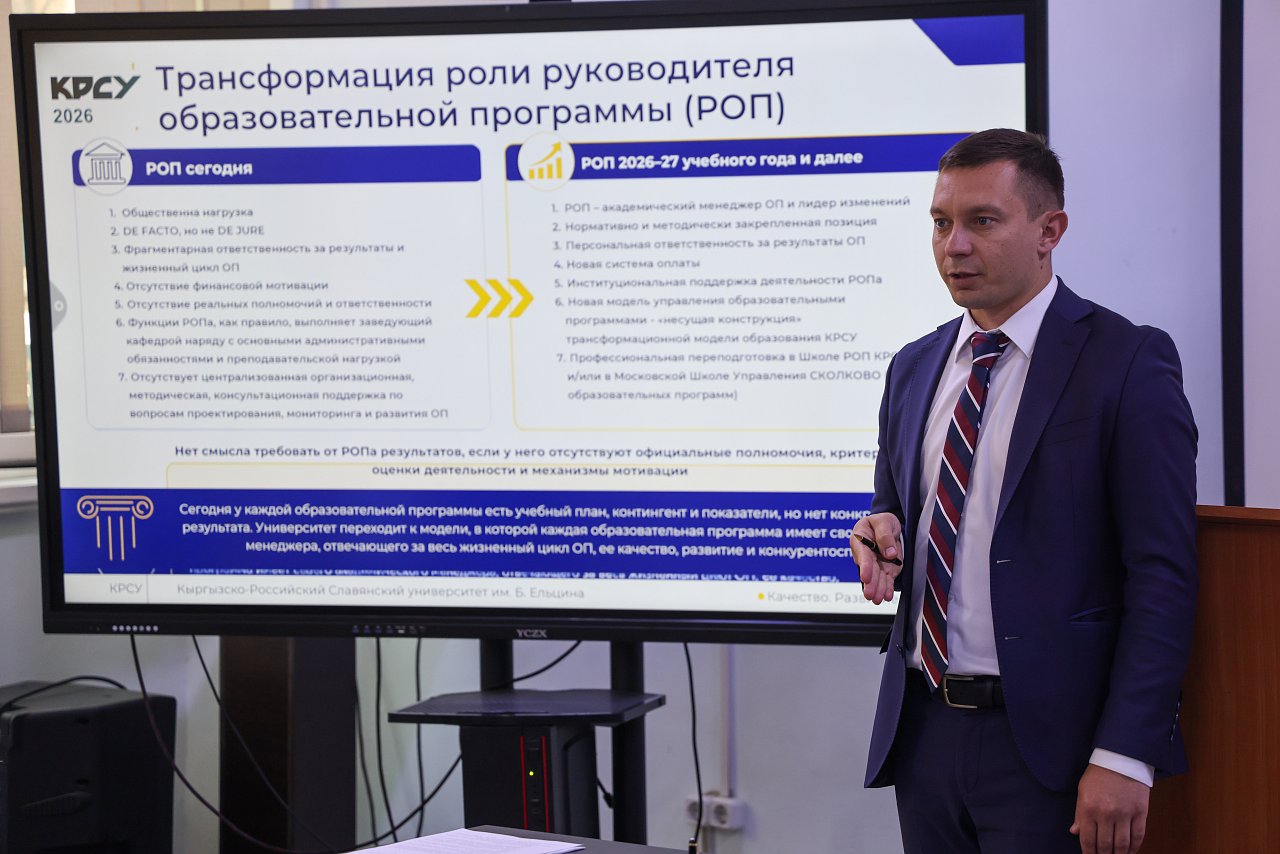
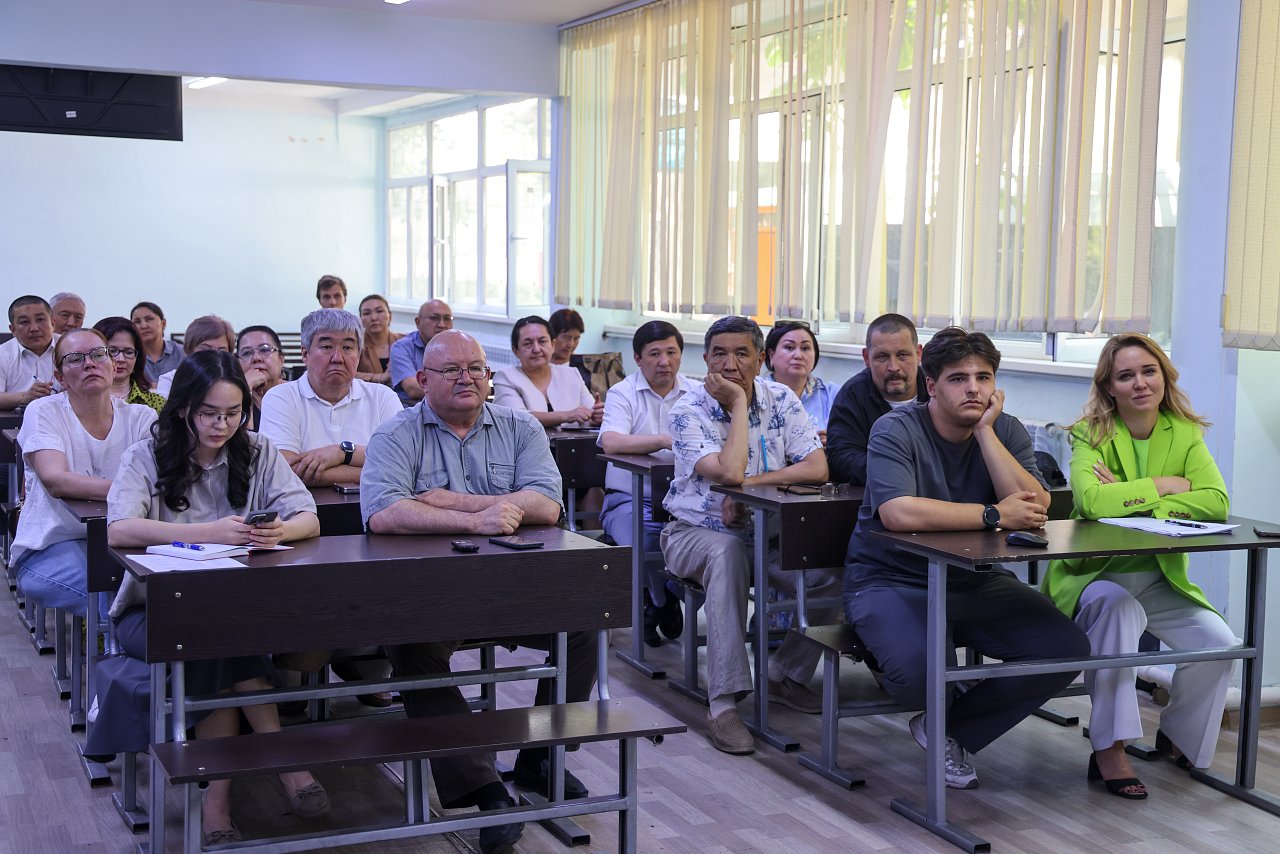
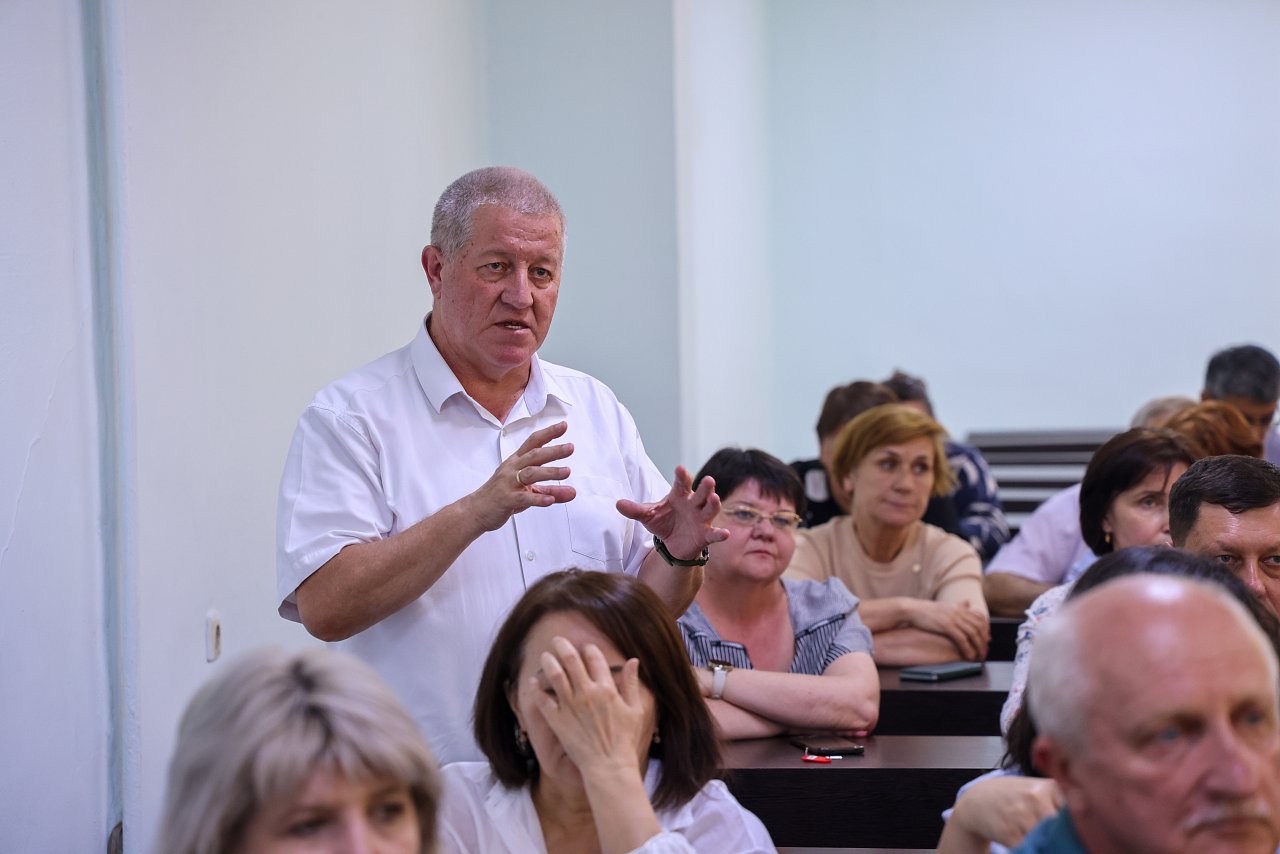
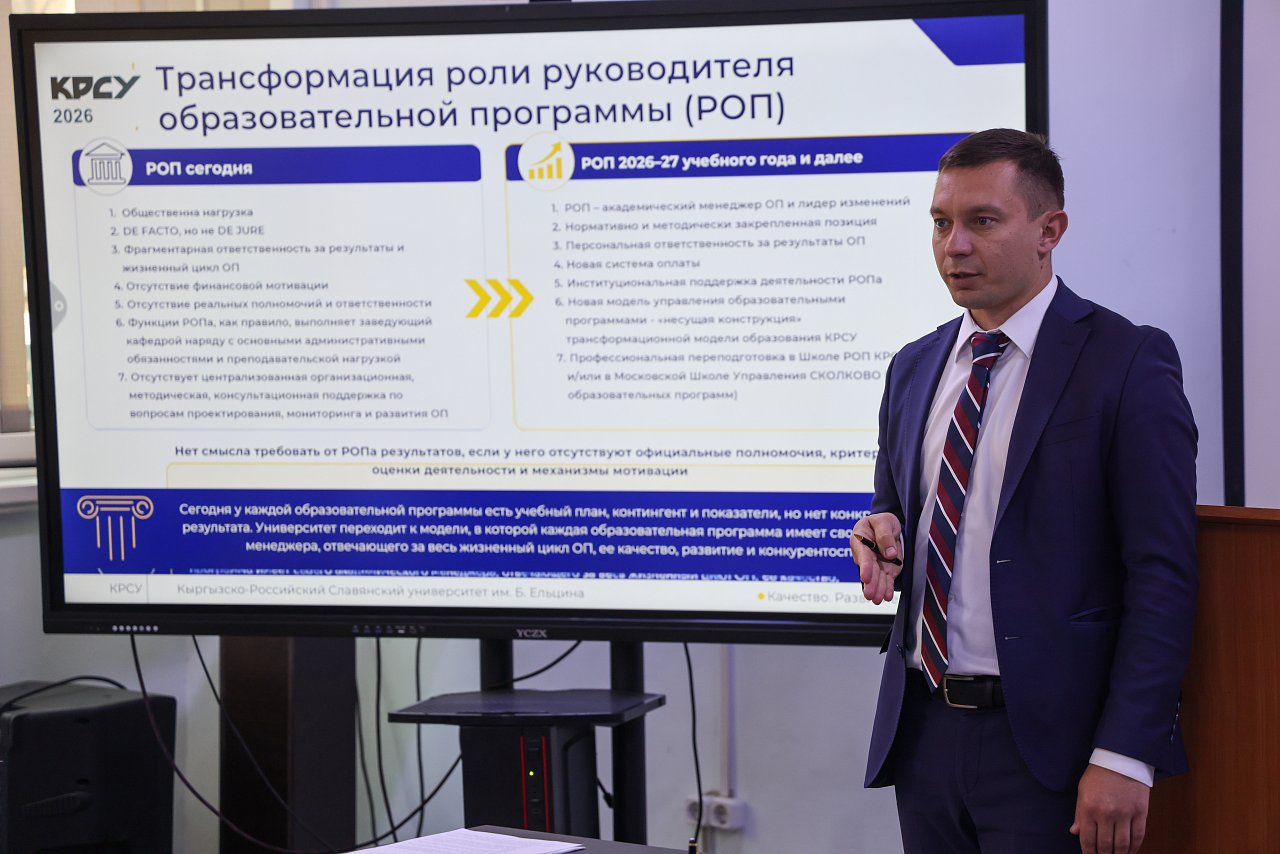
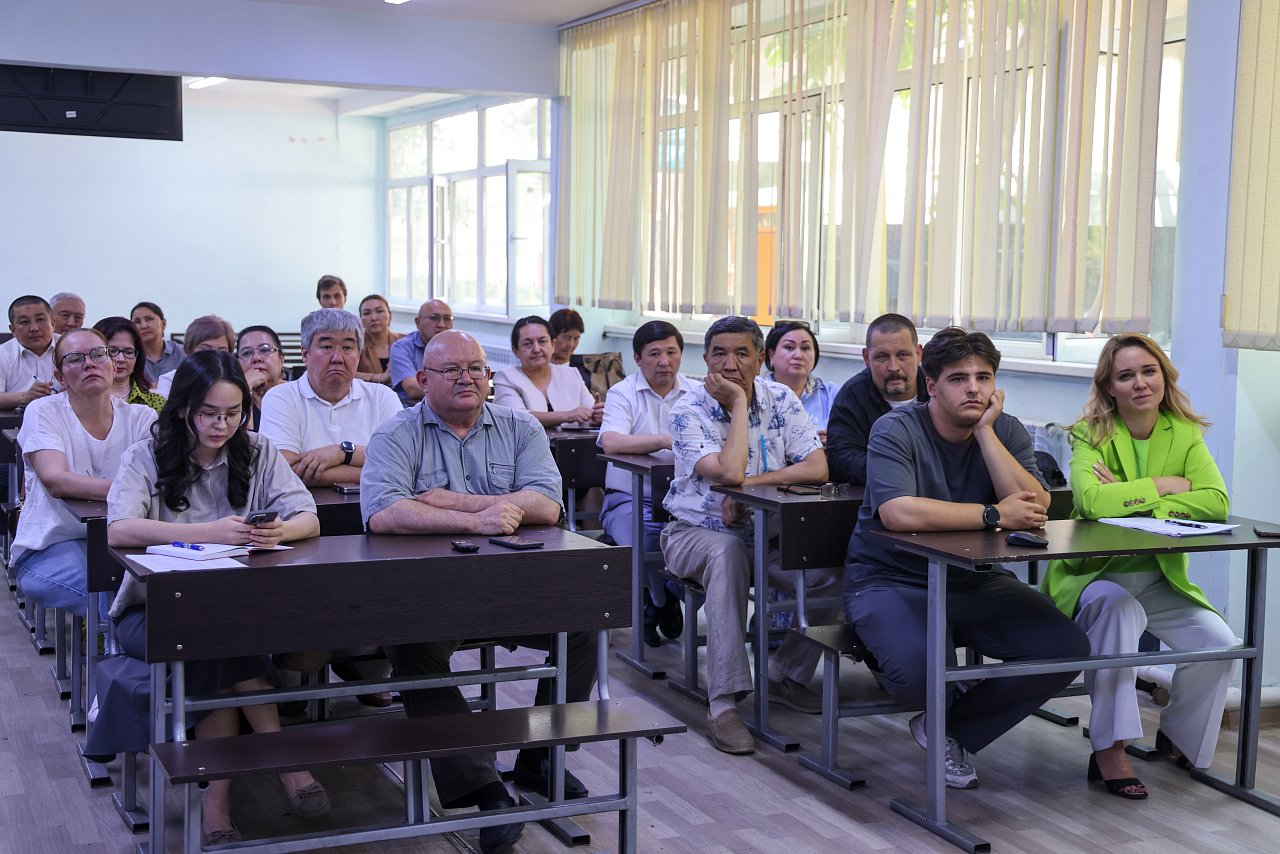
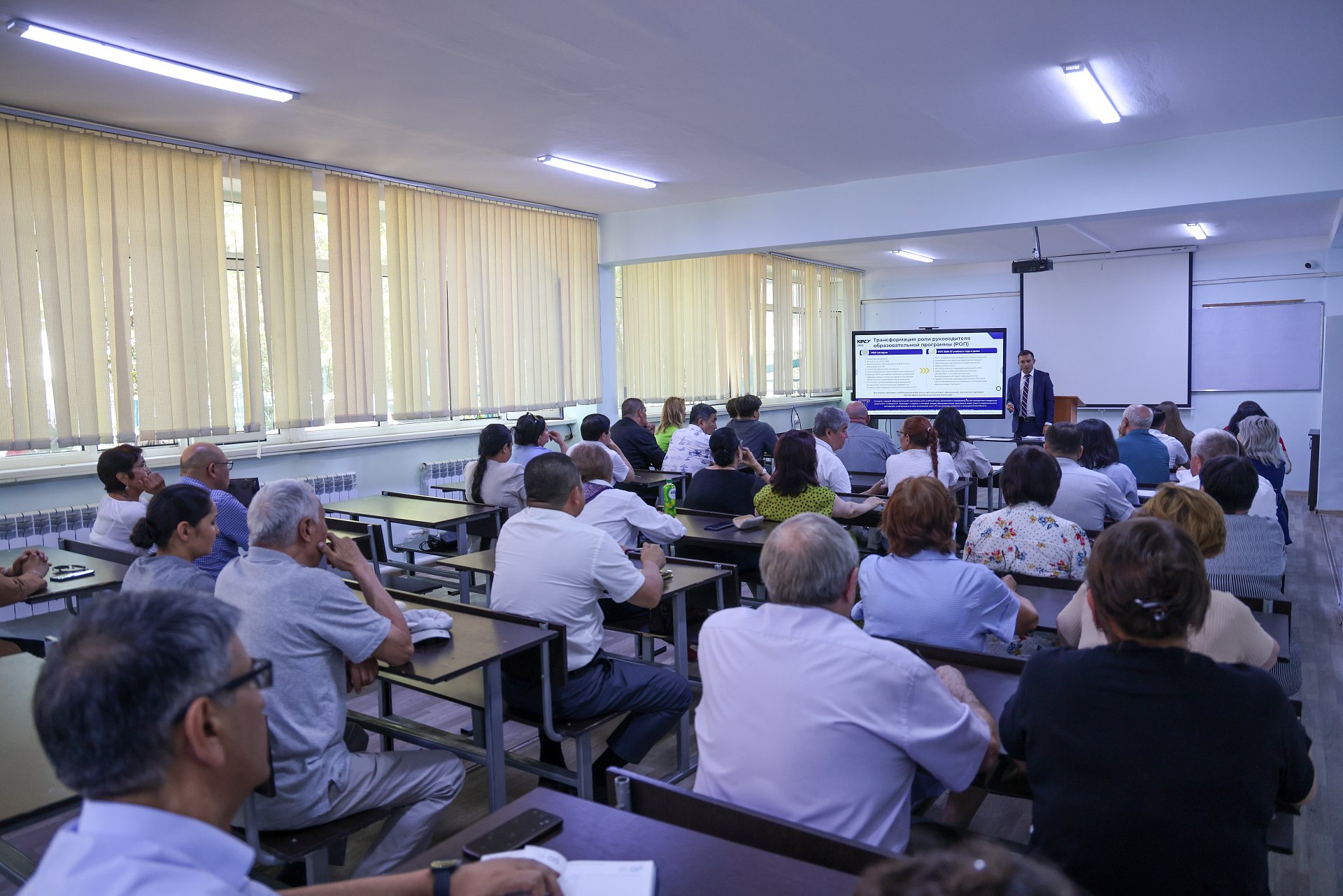
Rector of the Kyrgyz-Russian Slavic University Sergei Volkov held a meeting with the teaching staff of the Faculty of Natural Sciences and Technology and the Faculty of Architecture, Design and Construction. The main topic of discussion was the transition of the university to an institutional management model and the creation of the Polytechnic Institute.From September 1, 2026, ETF and FADiS will be merged into a new enlarged structure - the Polytechnic Institute. German Lotsev was appointed its director. The institute will become the largest engineering and technological platform of KRSU, combining educational programs, scientific research, design activities and interaction with industrial partners. Its structure will include three higher schools, an intercluster department of mathematics, physics and computer science, a department of ecology and protection in emergency situations, a student design bureau, an educational and production center, as well as educational and scientific laboratories in the areas of artificial intelligence, cybersecurity, robotics, unmanned systems, energy, mining, construction and additive technologies.Opening the meeting, Sergei Volkov noted that the changes are aimed at strengthening the engineering, digital and design blocks of the university.«Today KRSU ranks second in the republic in terms of rating, and I congratulate you on this. This is your merit. Our task is not only to maintain these positions, but also to move on», the rector emphasized.According to Sergei Volkov, it is important for the university to improve the quality of admission and strengthen work with applicants.«Our guys' average score today is 192. This is a record high. Our task is to maintain this level and increase the average score at the entrance to the university. I am sure that we will succeed in this admissions campaign», he said.The rector also recalled plans to recruit students in the new academic year.«Our task in this admissions campaign is to recruit three thousand students. And heads of educational programs should be included in this work», noted Sergei Volkov.Particular attention at the meeting was paid to the new system of educational program management. Vice-Rector for Educational Activities Elena Averkova presented a model of the work of educational program managers (EPOs), talking about their powers, responsibilities and support mechanisms.According to the rector, the head of the educational program becomes a key figure in the educational process and is responsible for the entire life cycle of the program - from recruiting applicants and designing the curriculum to organizing internships, monitoring the quality of training and employment of graduates.«The educational program is the foundation. We must understand for whom we are training a specialist, what competencies he needs and where he will be in demand. You can't just let a student into the market. We must work specifically - with employers, with practitioners and with the real demand of the economy», - emphasized Sergei Volkov.He noted that until now, the functions of program managers have often been performed formally and without the necessary support.«You cannot demand results from the ROP if it does not have official powers, criteria for assessing activities and a motivation mechanism. From September 1, we will change this», - said the rector.According to the new model, educational program managers will receive an officially established status, a reduction in classroom workload, additional wages and a KPI system. At the same time, to train the personnel reserve, the university is launching its own training school for ROPs, and the participation of employees in management training programs continues.Separately, Sergei Volkov focused on the structure of the future Polytechnic Institute. Thus, the Higher School of Architecture, Design and Construction will unite the areas of architecture, urban planning, design, artistic design and construction. It will include specialized laboratories and educational and methodological units that provide practice-oriented training for students.The Higher School of Natural Resources, Mechatronics and Transport will focus on training specialists in the fields of energy, water resources, mining, road transport, instrument making, mechatronics and electronics. For this purpose, modern educational and scientific laboratories will be used, including sites on green energy, electrical machines, electronics and oil and gas engineering.The Higher School of Digital Technologies will become a training center in the field of software engineering, telecommunications, applied mathematics and information technology. Its structure includes laboratories for infocommunication technologies, computer networks, development of mobile and web applications, as well as design of information systems.A separate role in the new structure will be played by the student design bureau, the training and production center and a network of specialized laboratories, which will allow students to participate in applied research and engineering developments already in the learning process.According to Sergei Volkov, the transition to the institute model does not mean a change in educational programs or qualifications of graduates.«Our educational programs do not change, they remain unchanged. All programs go to higher schools. The management system is changing, which should become more efficient», the rector explained.He also emphasized that administrative offices would be established in the institutes to take over a significant portion of the organizational and technical work, allowing faculty and program managers to focus on educational content, scientific activities, and the development of educational products.At the end of the meeting, Sergei Volkov called on the team to actively participate in the transformation process and use the transition period to prepare for work in the new structure.«We are entering a transition period. It will take time to rebuild all processes, but these changes are necessary for the further development of the university and the achievement of new results», the rector noted.After the meeting, Sergei Volkov inspected the laboratory of unmanned aircraft systems KRSU. Today it is one of the most dynamically developing engineering sites of the university, where students and young researchers are creating unmanned aerial vehicles, developing computer vision systems and autonomous control technologies. The laboratory implements projects together with industrial partners, including the company «Geoscan» and Peter the Great St. Petersburg Polytechnic University, and also participates in all-Russian engineering competitions «CyberDrom». The development of such laboratories will become one of the important study programs work of the future Polytechnic Institute.The creation of the Polytechnic Institute will be part of a large-scale restructuring of KRSU, providing for a transition from a faculty model to a system of institutes and higher schools. The university expects that the new structure will strengthen interdisciplinary interaction, improve the quality of educational programs, strengthen ties with employers and provide training for highly qualified engineering personnel for the economy of Kyrgyzstan.