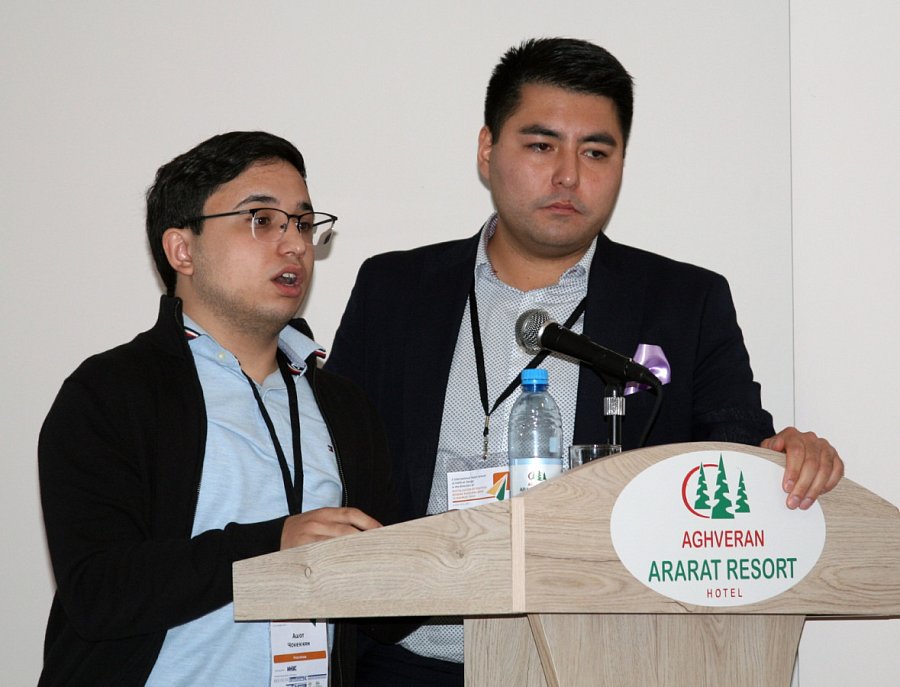
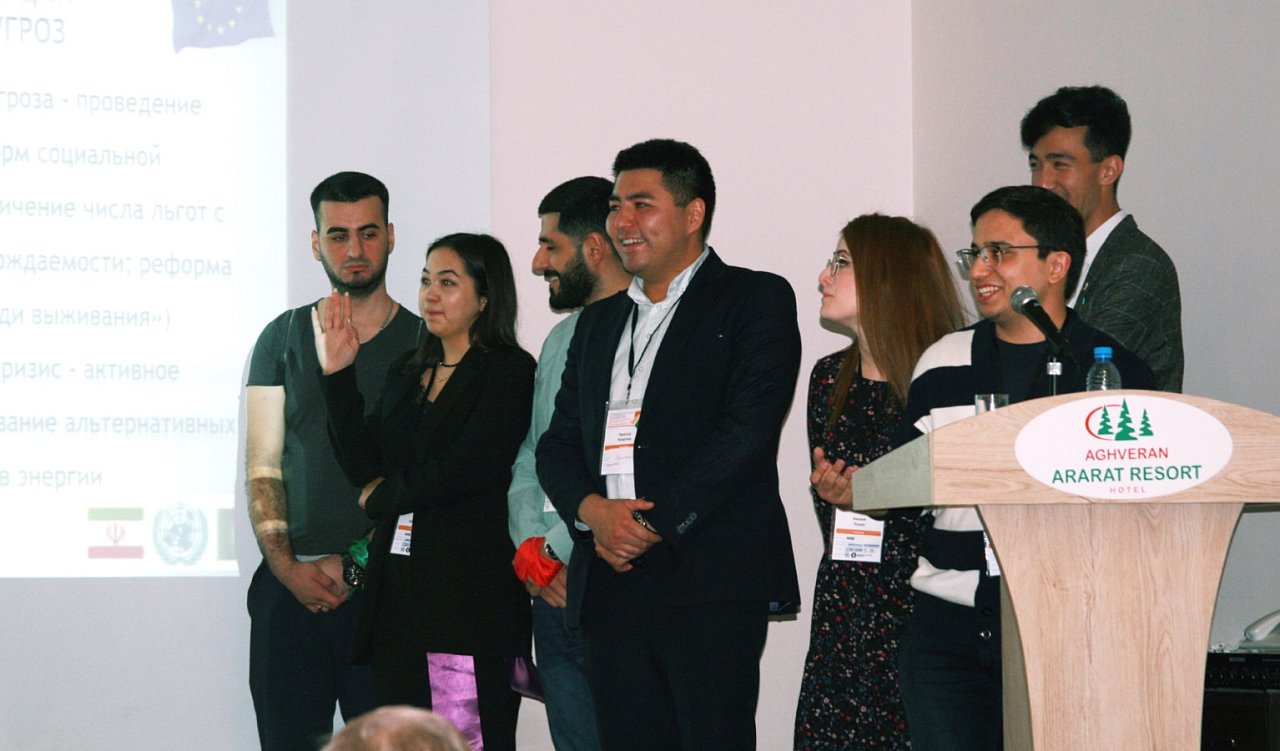
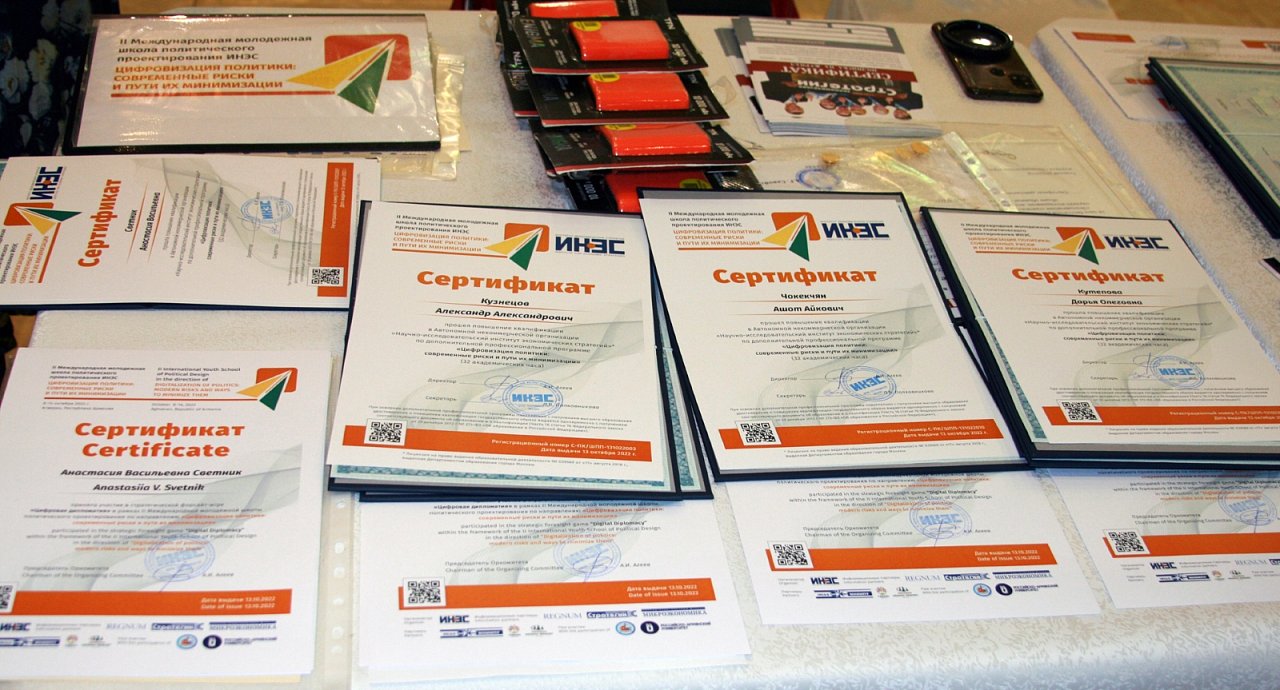
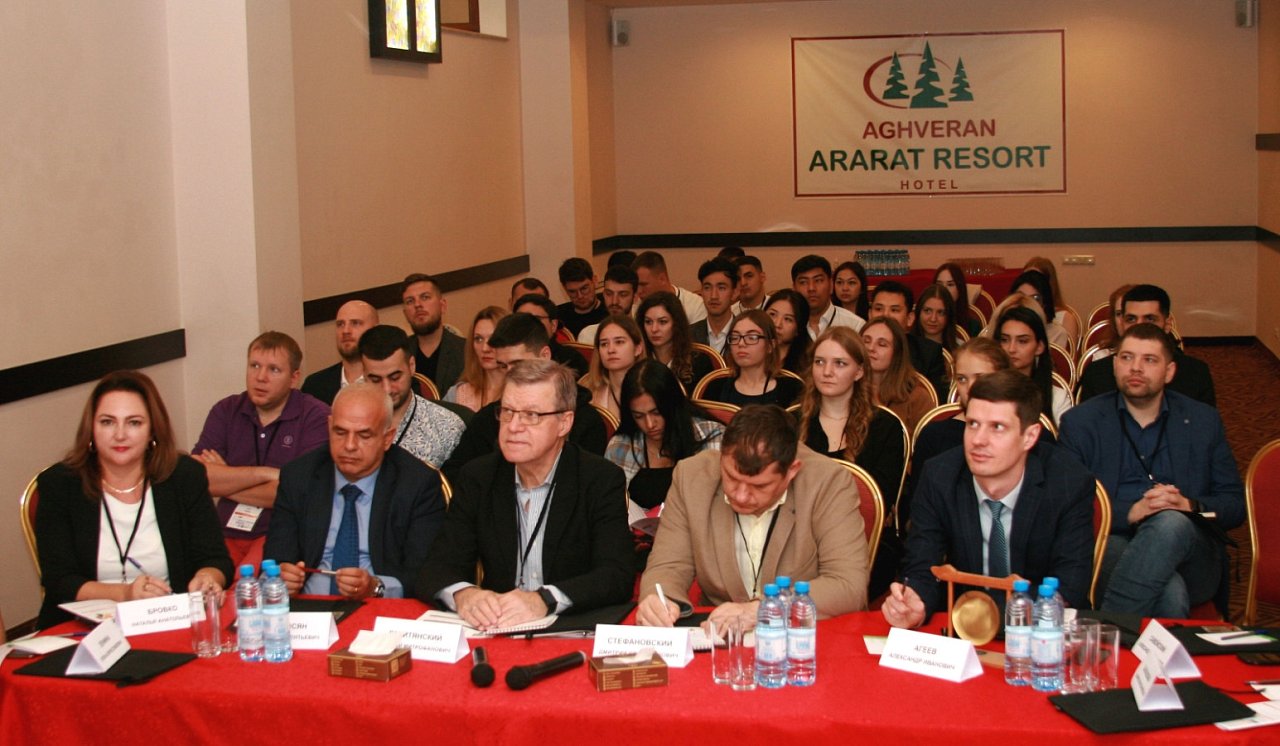
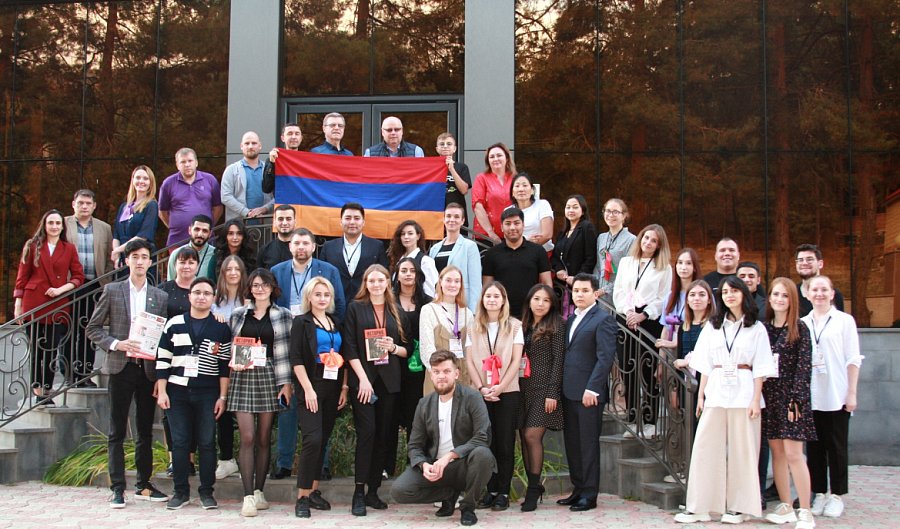
From October 8 to October 14, a series took place in Armenia events within the framework of the II International School of Political Design INES «Digitalization of Politics: Modern Risks and Ways to Minimize Them», organized by the Institute of Economic Strategies with the support of the Gorchakov Foundation. Students, graduate students, and young scientists from 7 countries took part in the events: Russia, Armenia, Belarus, Kazakhstan, Kyrgyzstan, Ukraine and Turkmenistan.
.
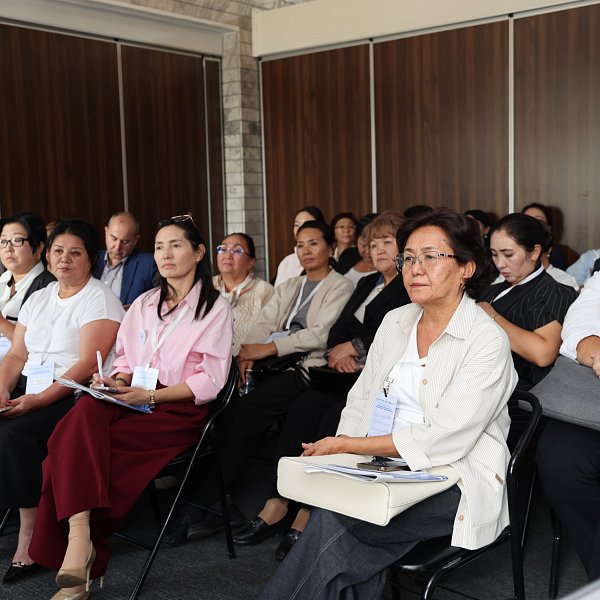
As part of the curriculum, students of the School – young researchers representing the countries of the post-Soviet space discussed with experts a wide range of problems related to the digitalization of various spheres of public life, and outlined the contours of political, economic, and cultural interaction between the EAEU countries in the new conditions.
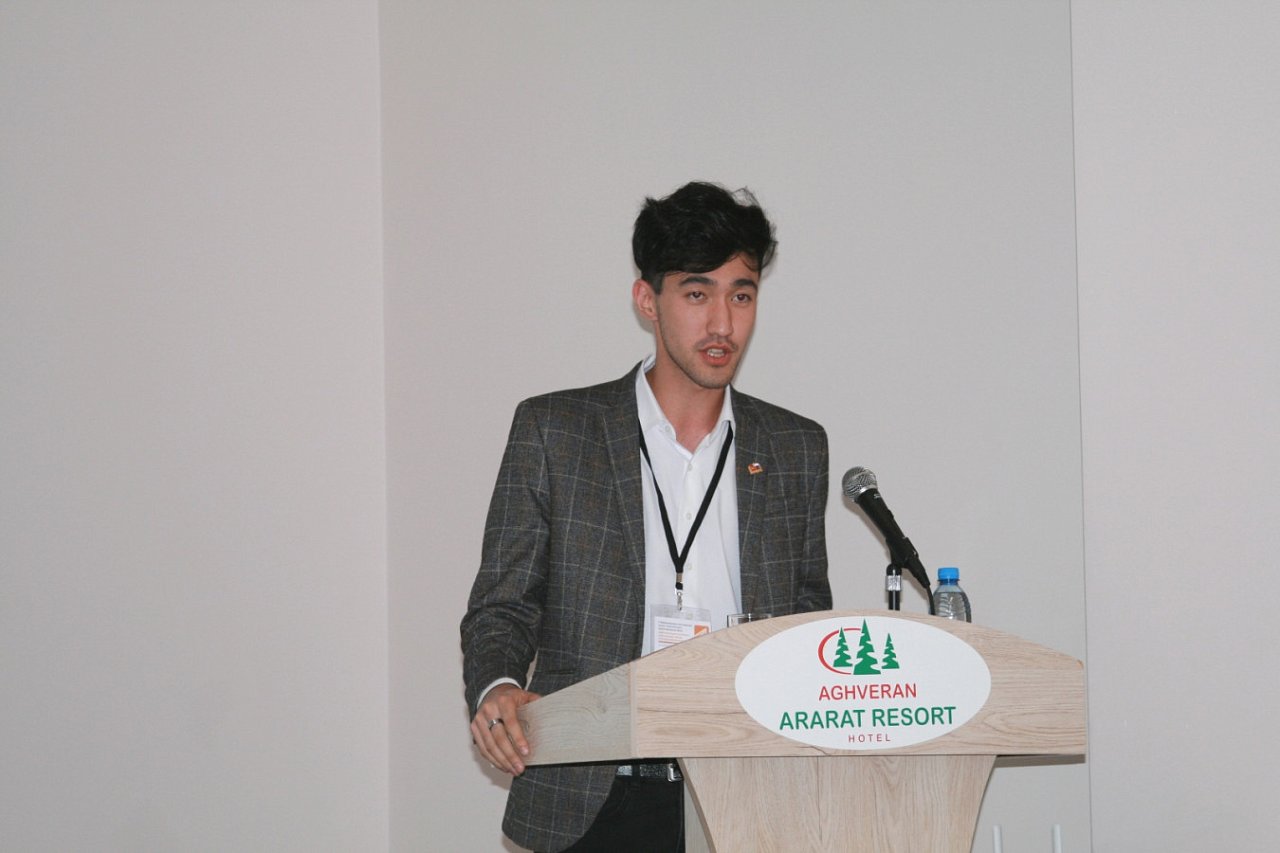
The head of the department of intelligent systems in the humanitarian sphere of the Russian State Humanitarian University, D. Stefanovsky (Russia), introduced school participants to the features of the digital transformation of public services, and also dwelled in detail on key trends in the field of digital technologies: the Internet of Things, blockchain and artificial intelligence.
Professor of the Department of Sociology and Psychology of Politics at Lomonosov Moscow State University N. Rakityansky continued to introduce students to the methodology of research in the political sphere. The knowledge gained a few days earlier about the psychological portrait of a politician’s personality was supplemented by a methodology for studying political mentalities.
The lecture by the Dean of the Faculty of Economics of the Kyrgyz-Russian Slavic University N. Brovko was devoted to new professions and new competencies of workers that have emerged as a result of digital transformation processes.
The head of the department of political science at the Russian-Armenian (Slavic) University, O. Sargsyan, presented his view of Nazi construction in the post-Soviet space through the prism of strategic culture to the school participants.
The head of the School, director of the Institute of Economic Strategies, MGIMO professor A. Ageev gave a lecture and answered numerous questions from participants on the topic «Super challenge. Artificial intelligence and politics».
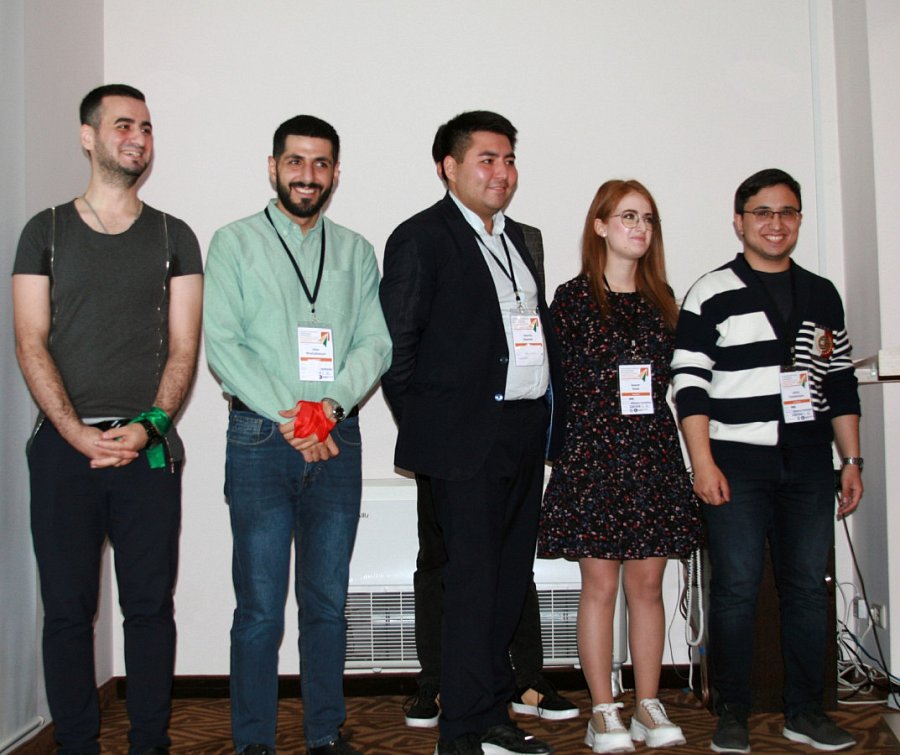
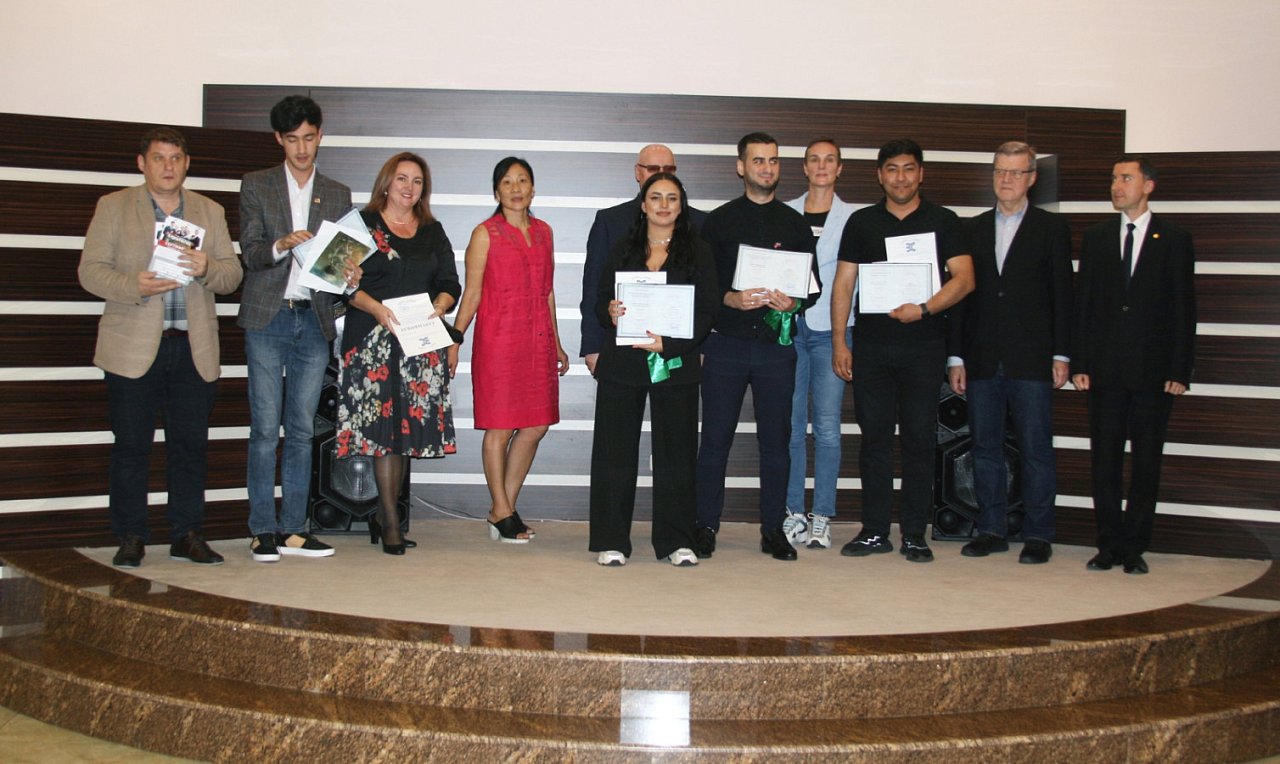
On October 11, an international tournament in intellectual and sports play «Fatum» was held within the framework of the School. The moderator of the competition was the President of the International Federation of Intellectual Games BRICS A.G. Savoy. Based on the results of a simultaneous game session on five boards, the winners were determined: Anastasia Balashova, Evgeniy Rastvortsev Chingiz Koshoev (graduate student at the Department of Management KRSU) and Alina Yakim. All of them received diplomas and memorial signs from the hands of the President of the International Federation of Intellectual Games BRICS A. Savoysky.
The game «Fatum» was developed in Russia on the basis of the International Research Institute of Management Problems (MNIIPU) and is the quintessence of chess and other intellectual games of the BRICS countries. She develops intelligence, memory, intuition, forms creative thinking free from stereotypes, and improves the skill of concentration. In addition, the game becomes an effective tool for intellectual development and personal growth for leaders with a socially oriented thinking paradigm, responsible for effective team building and strong relationships within the team. On the sidelines of the School, agreements were reached with the management of the Yerevan branch of REU named after. Plekhanov on the participation of university students and staff in the development of the game.
The final day was perhaps one of the most intense, both meaningfully and emotionally. Until lunch, School students continued their immersion in the field of digitalization as part of the curriculum. The lecture by the head of the department of intelligent systems in the humanitarian sphere of the Russian State Humanitarian University (Russia) D. Stefanovsky was devoted to various aspects of big data management, in particular, their use as a tool for making political decisions. The expert spoke about methods for analyzing big data of various formats and varying degrees of reliability: about neural networks, about types of machine learning, about the importance of modeling and statistical analysis, about modern capabilities for pattern recognition. He also addressed the reservations that big data analysis can be used as a tool for policy decision-making. The lecturer called for avoiding «automation for the sake of automation» and concentrating in the digitalization process on solving vital problems. The conversation also touched upon deepfakes: listeners became familiar with ways to recognize them and the possibilities of minimizing the consequences of information leaks of this kind.
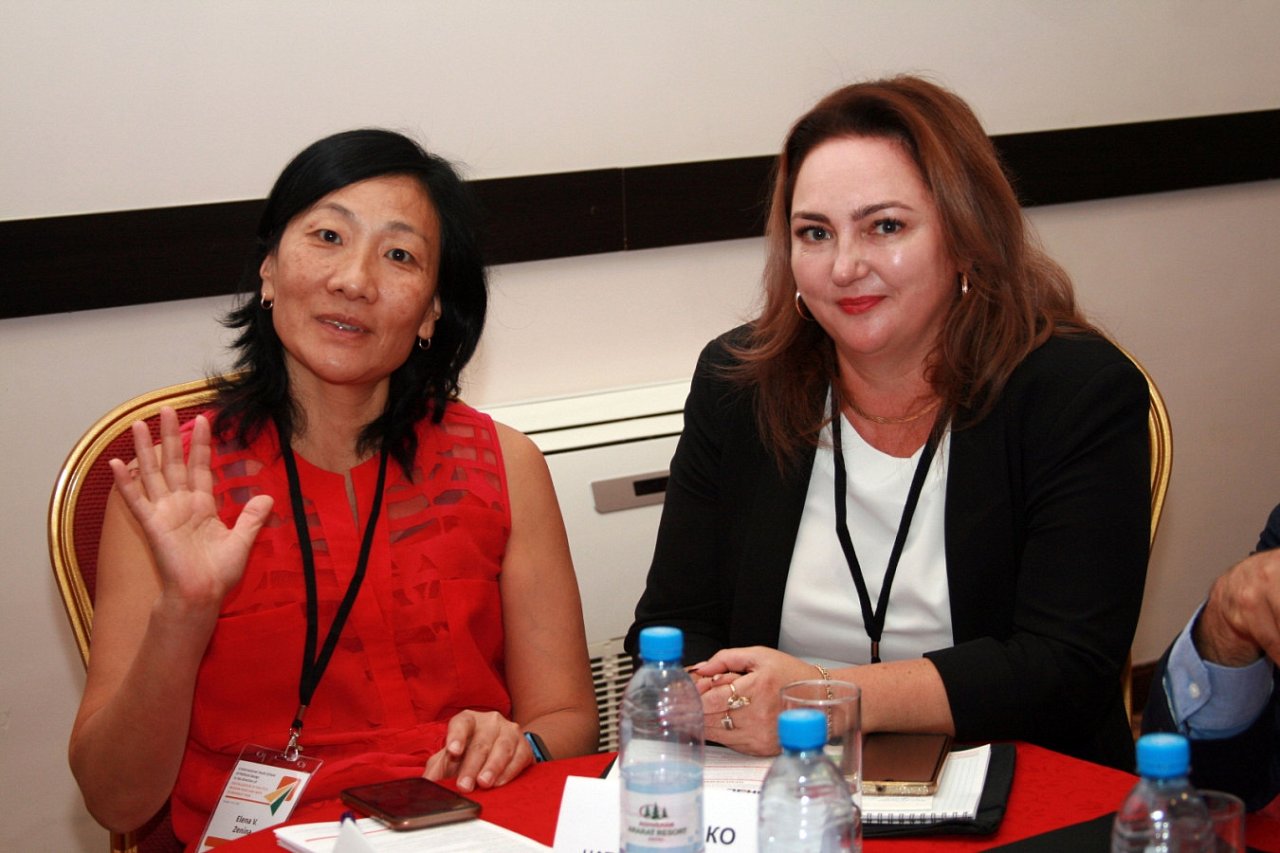
The training module was continued by a lecture by E. Zenina, Associate Professor of the Department of Management and Marketing at the International University of Kyrgyzstan «Assessment of strategic criteria in a digital accounting system».
The day ended with a gala dinner, during which experts and students of the School exchanged impressions and discussed the results of their joint work.