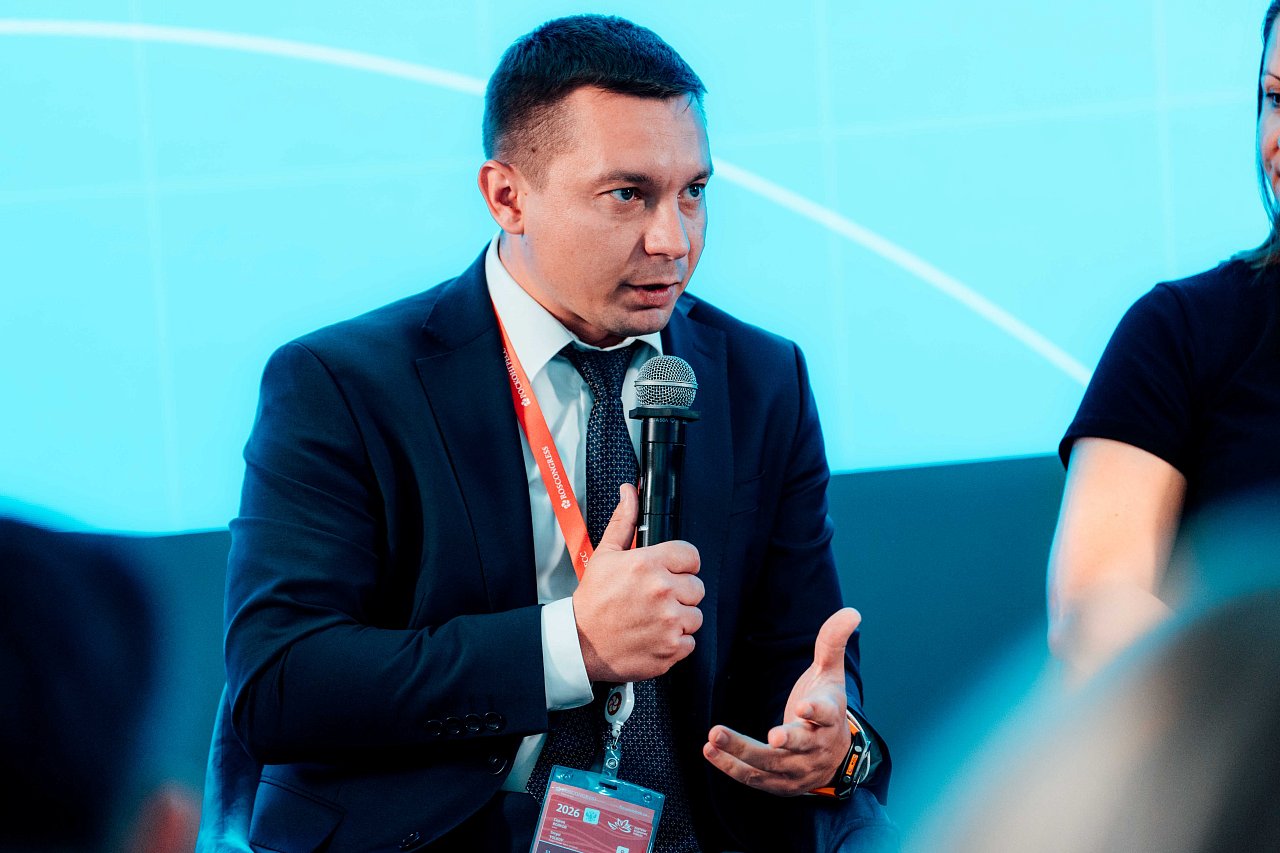
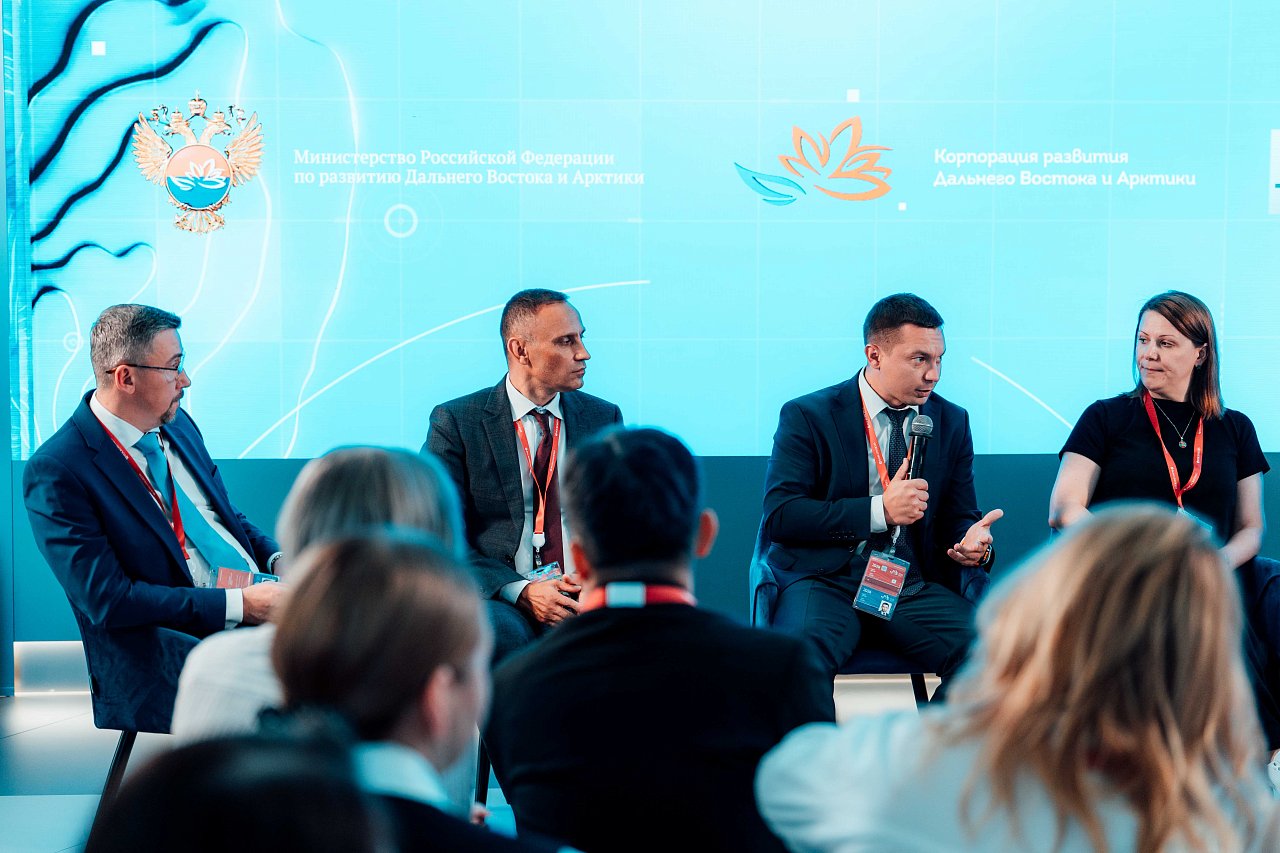
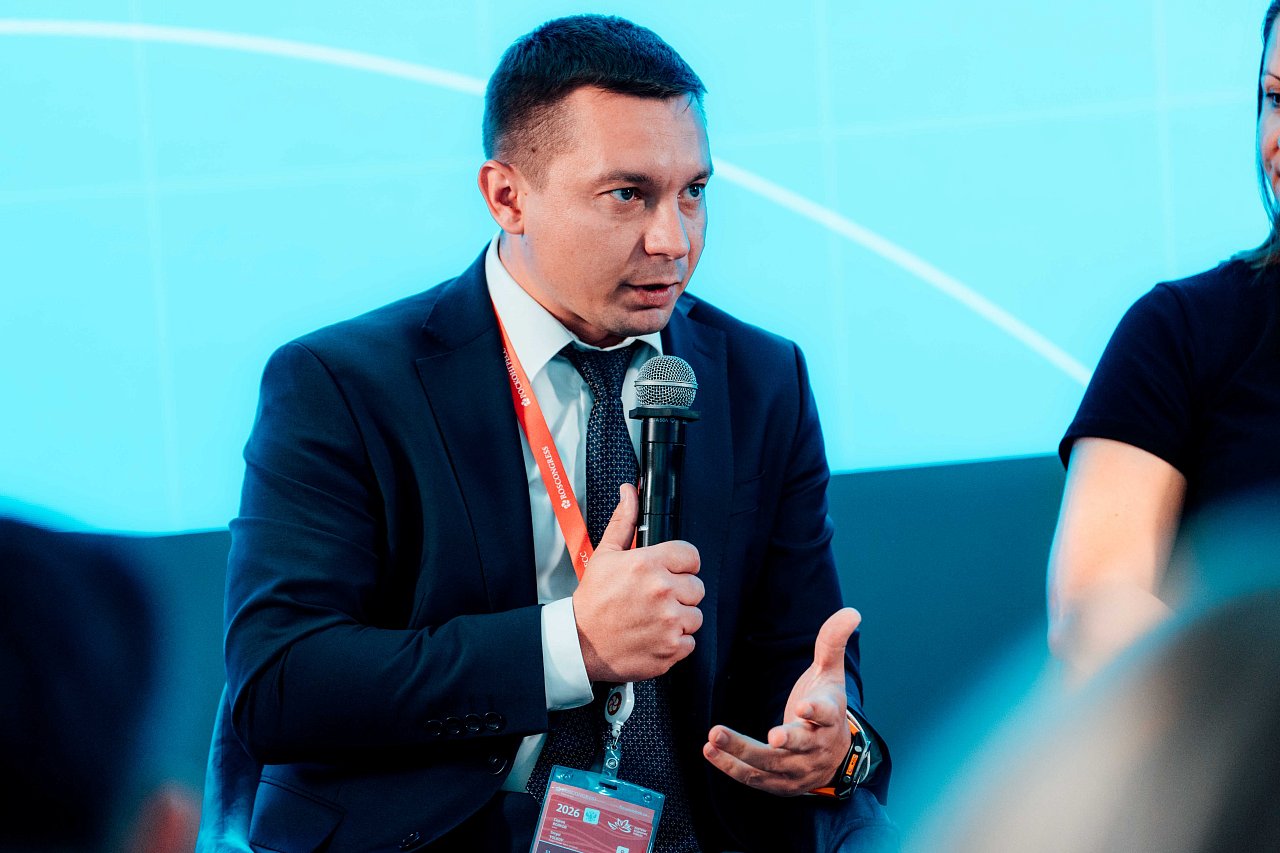
Rector of KRSU Sergei Volkov outlined the role of youth in the development of territories at the EEF 2026
4 september 2026
Share:
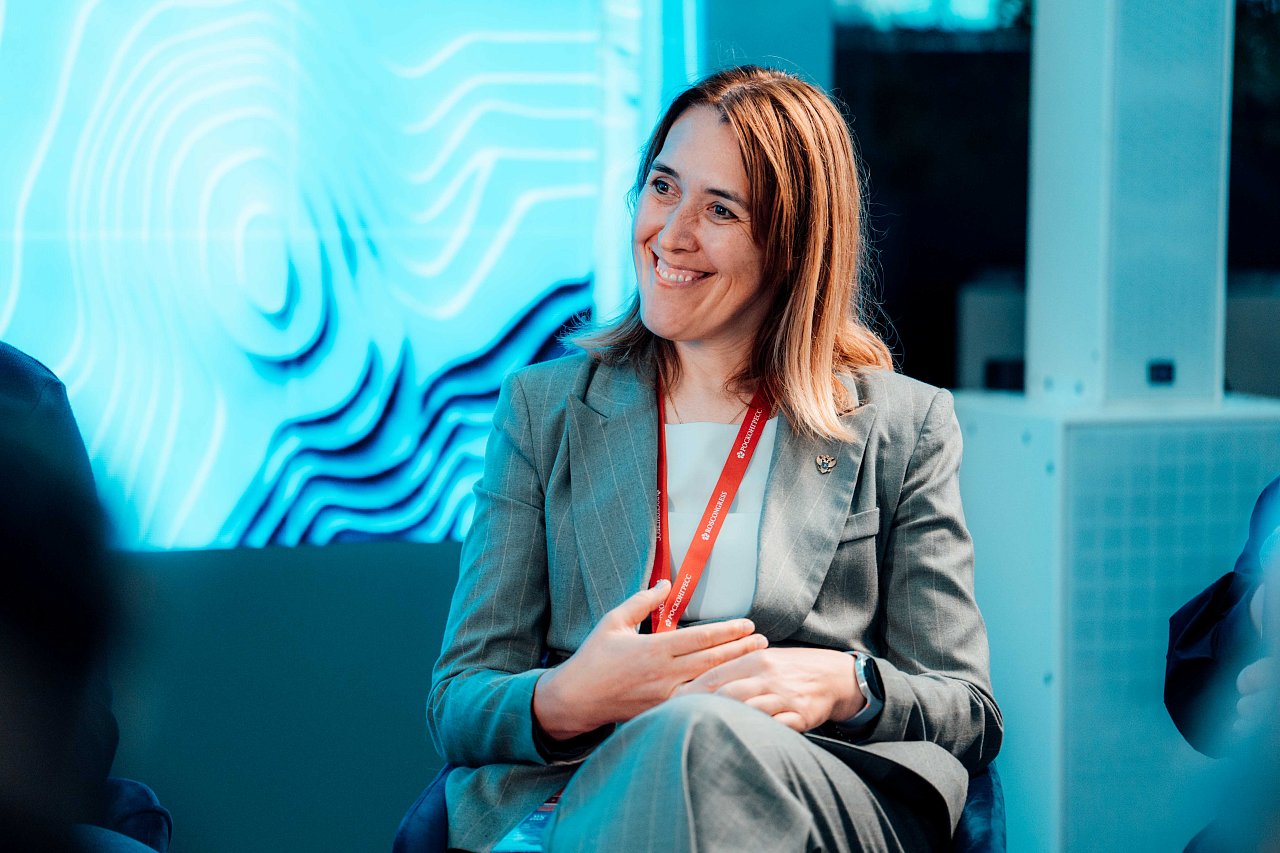
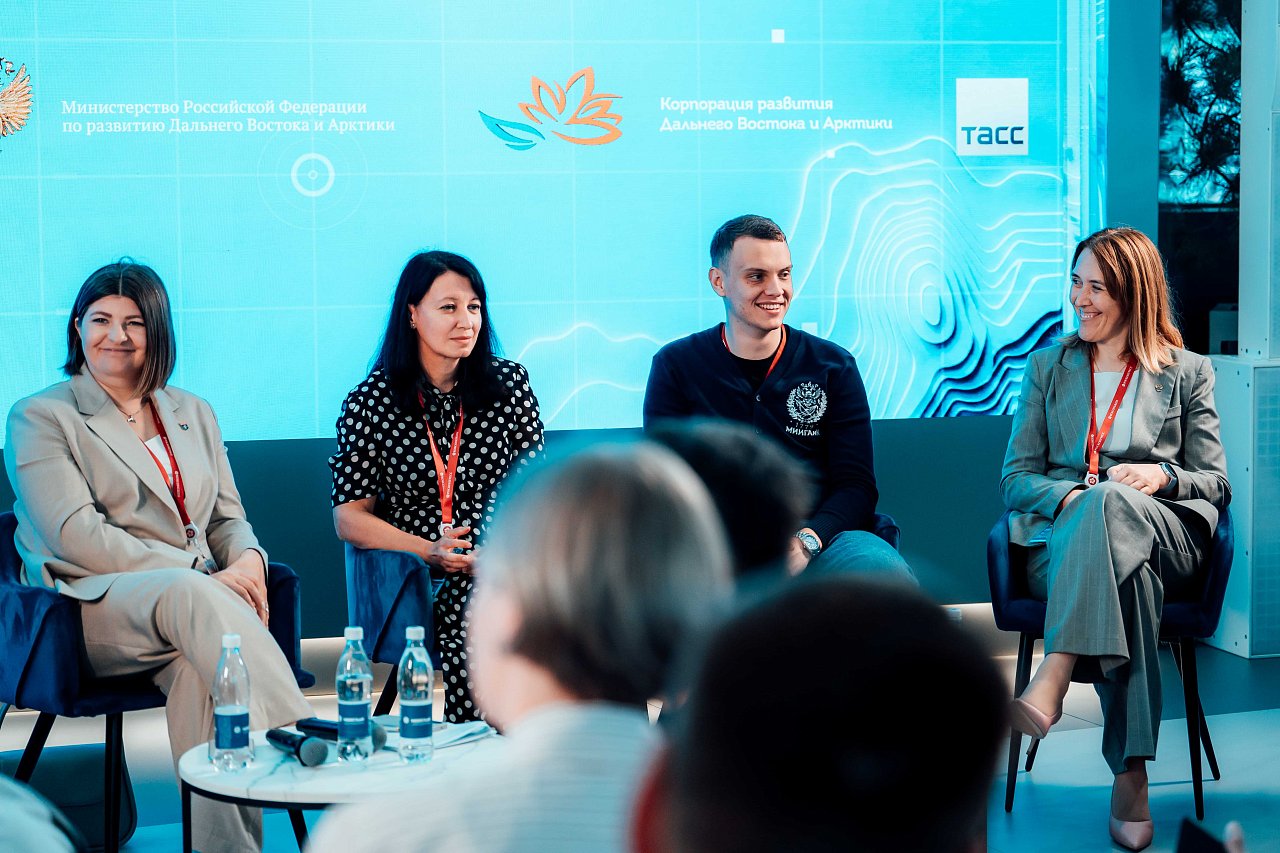
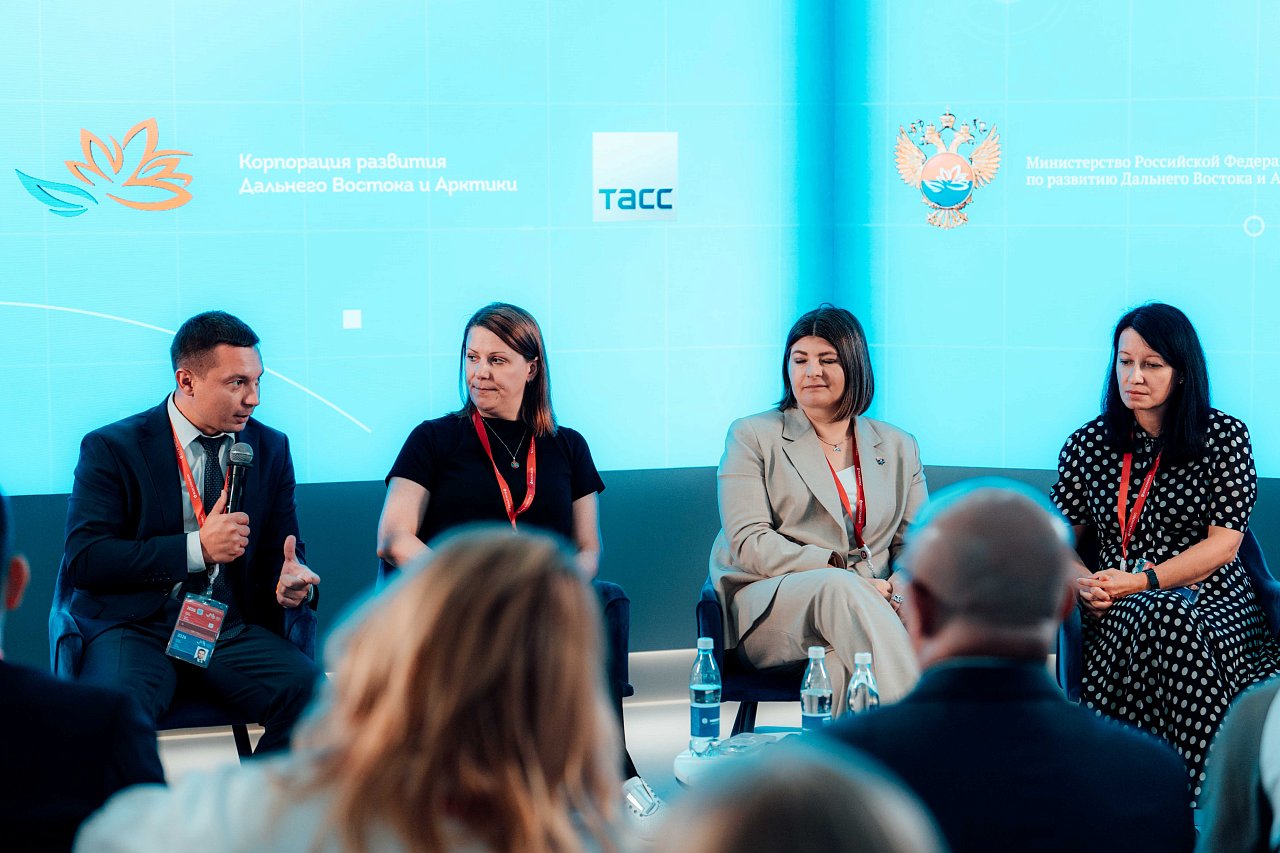
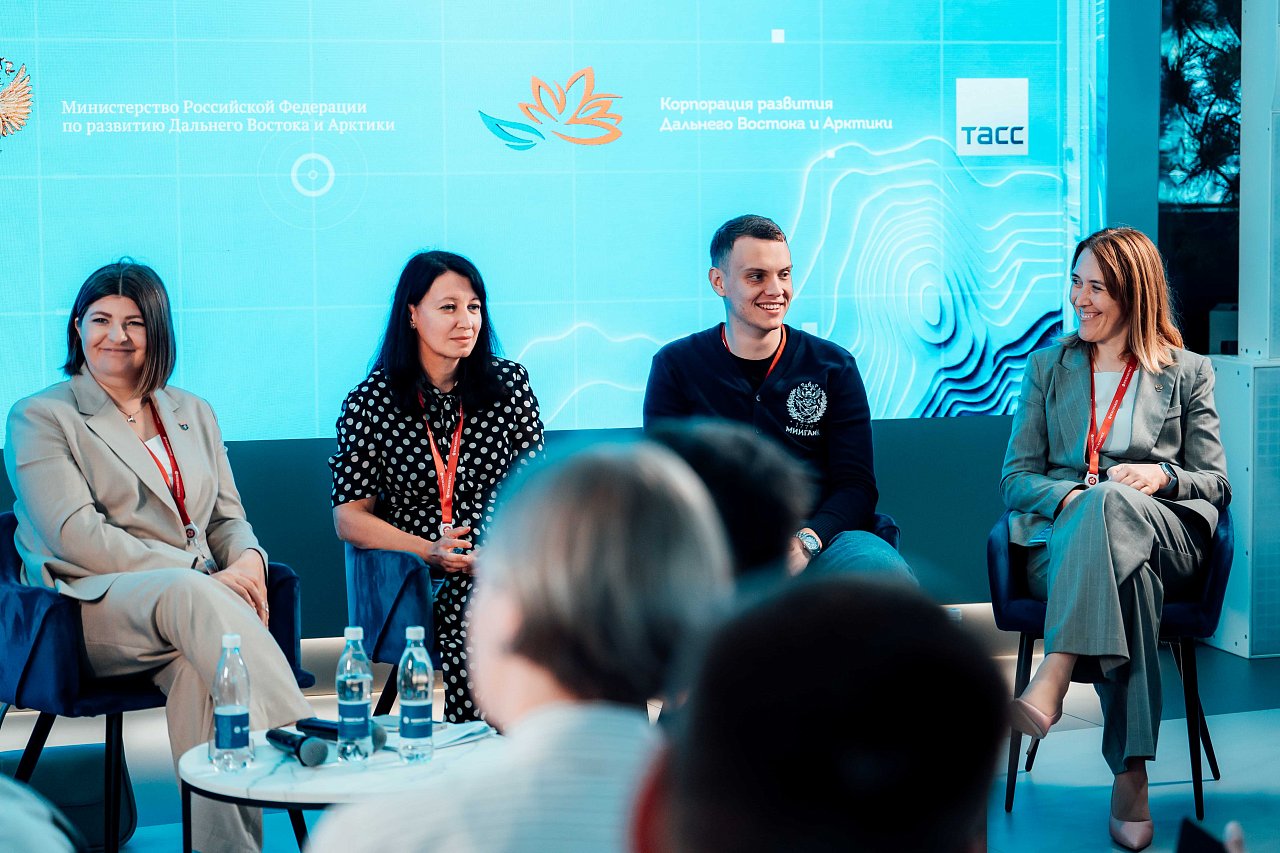
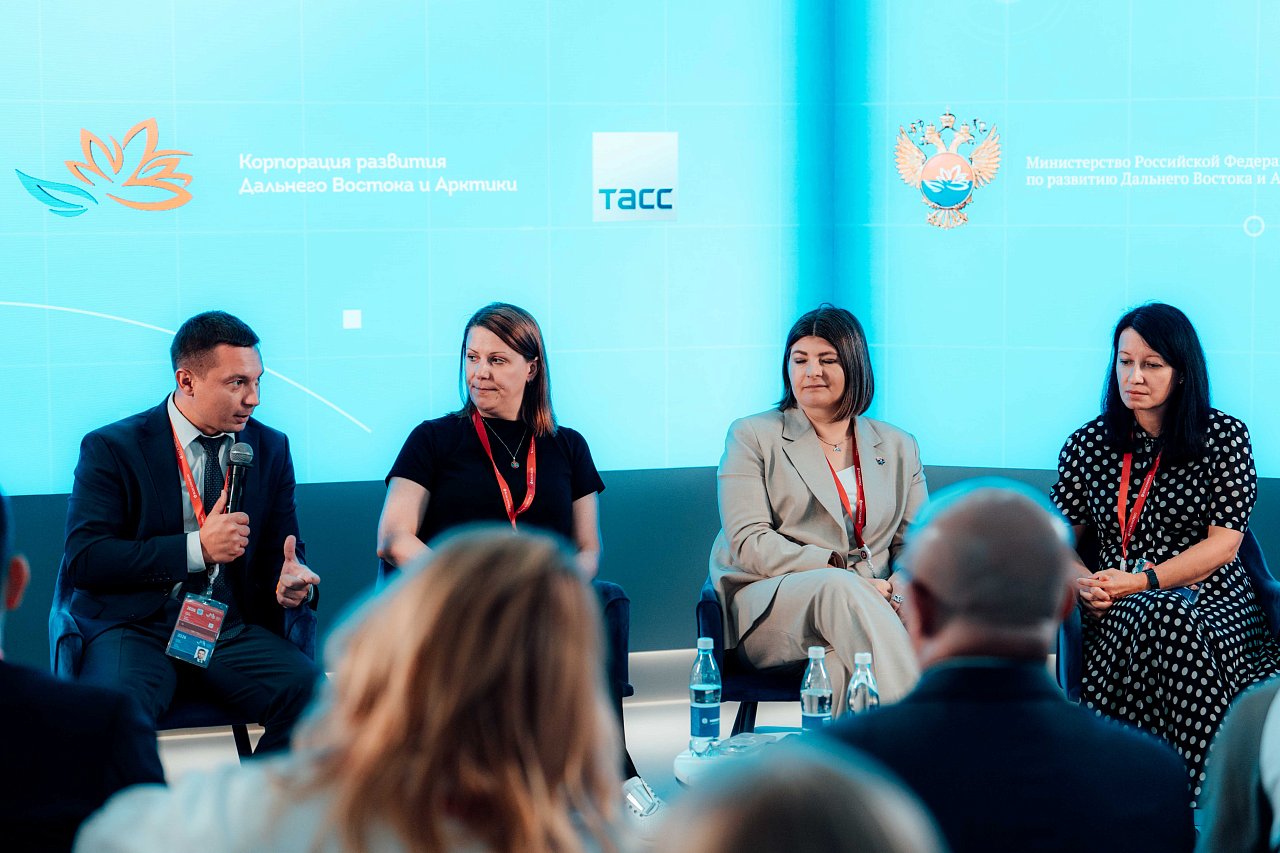
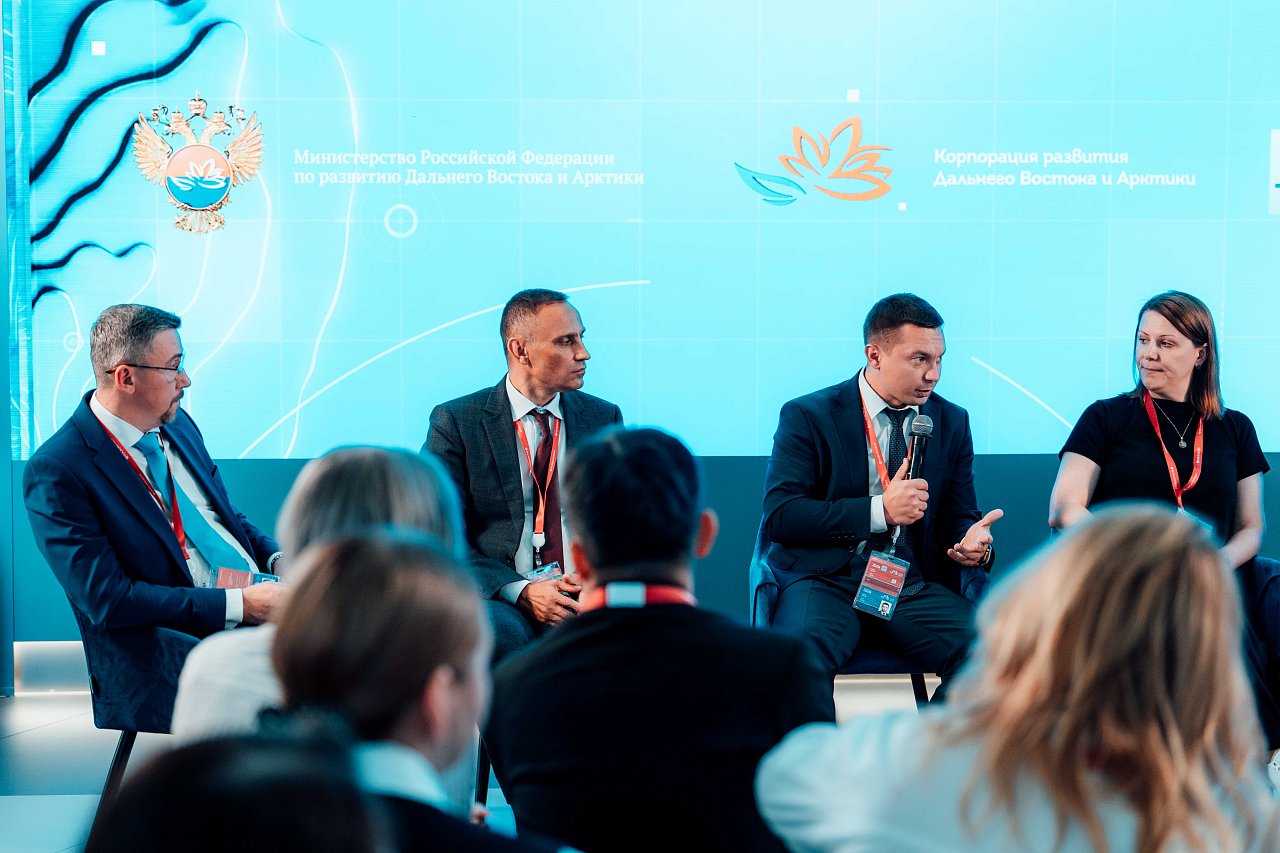
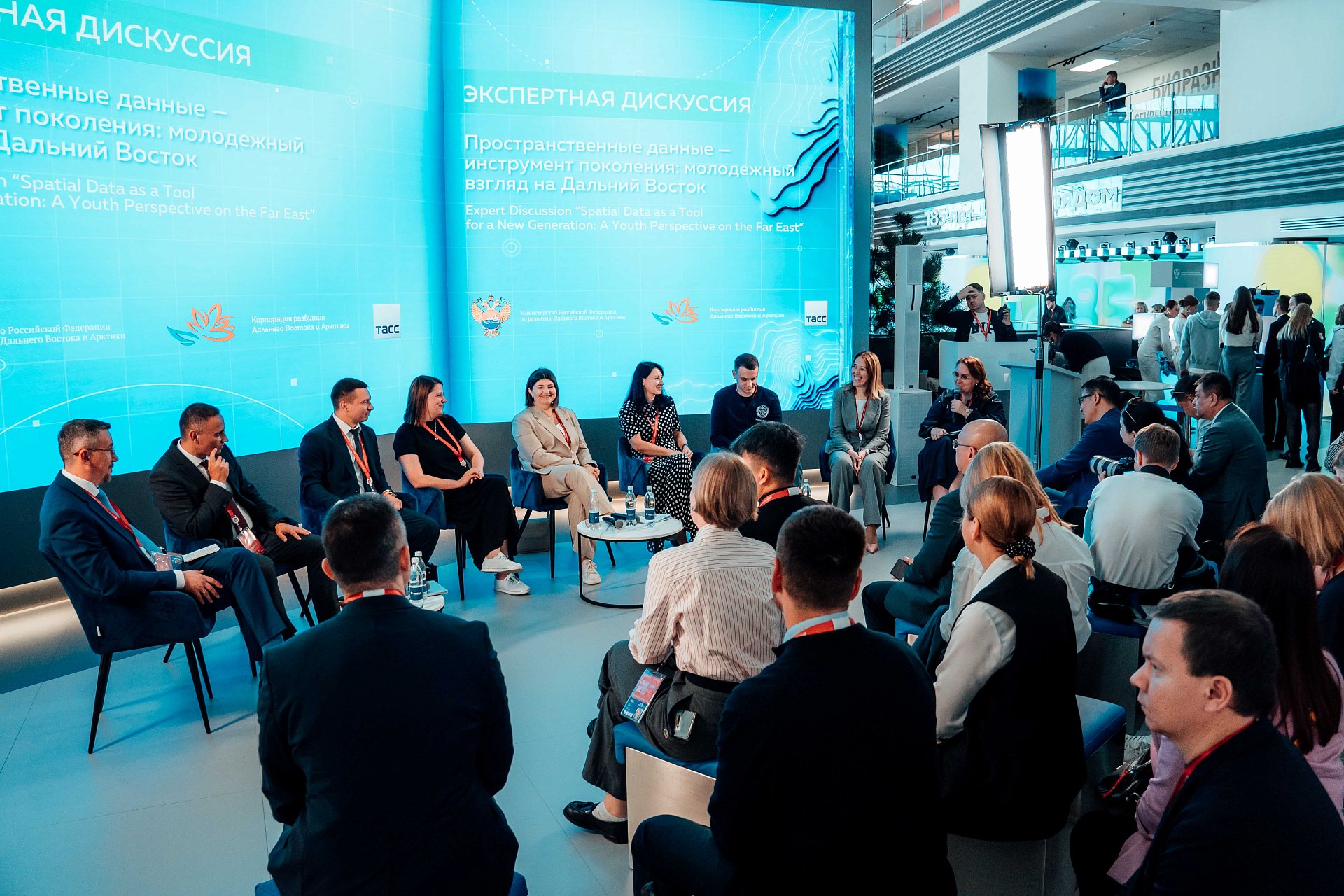
Young people should be not only a human resource, but also a direct participant in the development of cities and regions, and universities should develop the competencies necessary for this. This was stated by the rector of the Kyrgyz-Russian Slavic University Sergei Volkov, speaking at a panel discussion at the Eastern Economic Forum (EEF-2026) in Vladivostok.The session «Spatial data - a tool of a generation: a youth perspective on the Far East» was devoted to the use of modern technologies in the development of regions and the participation of the younger generation in the formation of a comfortable and competitive environment. Deputy Minister of Science and Higher Education of Russia Olga Petrova took part in the discussion.Speaking at the session, Sergei Volkov noted that the development of the Far East requires a comprehensive look at the territory where the economy, infrastructure, ecology and quality of life are considered as interconnected elements.According to him, satellite images, geographic information systems, forecast models and digital twins make it possible not only to assess the current state of cities and regions, but also to predict the consequences of management decisions.At the same time, technology itself does not determine the future of cities, the rector emphasized. A key role belongs to specialists who are able to translate the data obtained into specific solutions and real changes for residents.Volkov paid special attention to young people. Today, when choosing a place to study, work and live, young people evaluate a whole range of factors - from the availability of housing and transport to the quality of medicine, digital infrastructure, professional environment and opportunities to implement their own initiatives.In this context, modern digital tools have the potential to make urban development plans more understandable. They allow you to see what facilities will appear in a particular region, what specialists will be in demand and what opportunities will open up for education, career and life.The rector of KRSU specifically focused on the idea of an interactive map of master plans for the Far East. In his opinion, the master plan should be understandable not only to government and business representatives, but also to a young person who decides whether to connect his future with a specific city or region.Another area of intervention was cooperation with countries in the Asia-Pacific region. Volkov noted that spatial data can become a common language of interaction, allowing comparison of the accessibility of universities, laboratories, housing, transport, medicine, digital infrastructure and modern jobs.The rector assigned a significant role in these processes to universities. According to him, it is not enough for a modern university to train specialists who are proficient in geographic information systems, programming and artificial intelligence technologies. It is important to teach future professionals to see a specific person behind numbers and models, understand the characteristics of communities and take into account the consequences of decisions made.«The university is a platform where young people learn to be not an observer, but a co-author of development. Work with data, ask questions, see problems, propose solutions and be responsible for their consequences», emphasized Sergei Volkov.The session took place at the stand of the Russian Ministry for the Development of the Far East and the Arctic. The discussion was organized by the Moscow State University of Geodesy and Cartography (MIIGaiK), moderated by the rector of MIIGaiK.According to the rector of KRSU, spatial data becomes a truly effective tool when it allows not only to more accurately describe a territory, but also to jointly design its future. The more actively young people participate in this process, the more competitive and attractive the Far East will be for life and professional development.