.JPG)
.JPG)
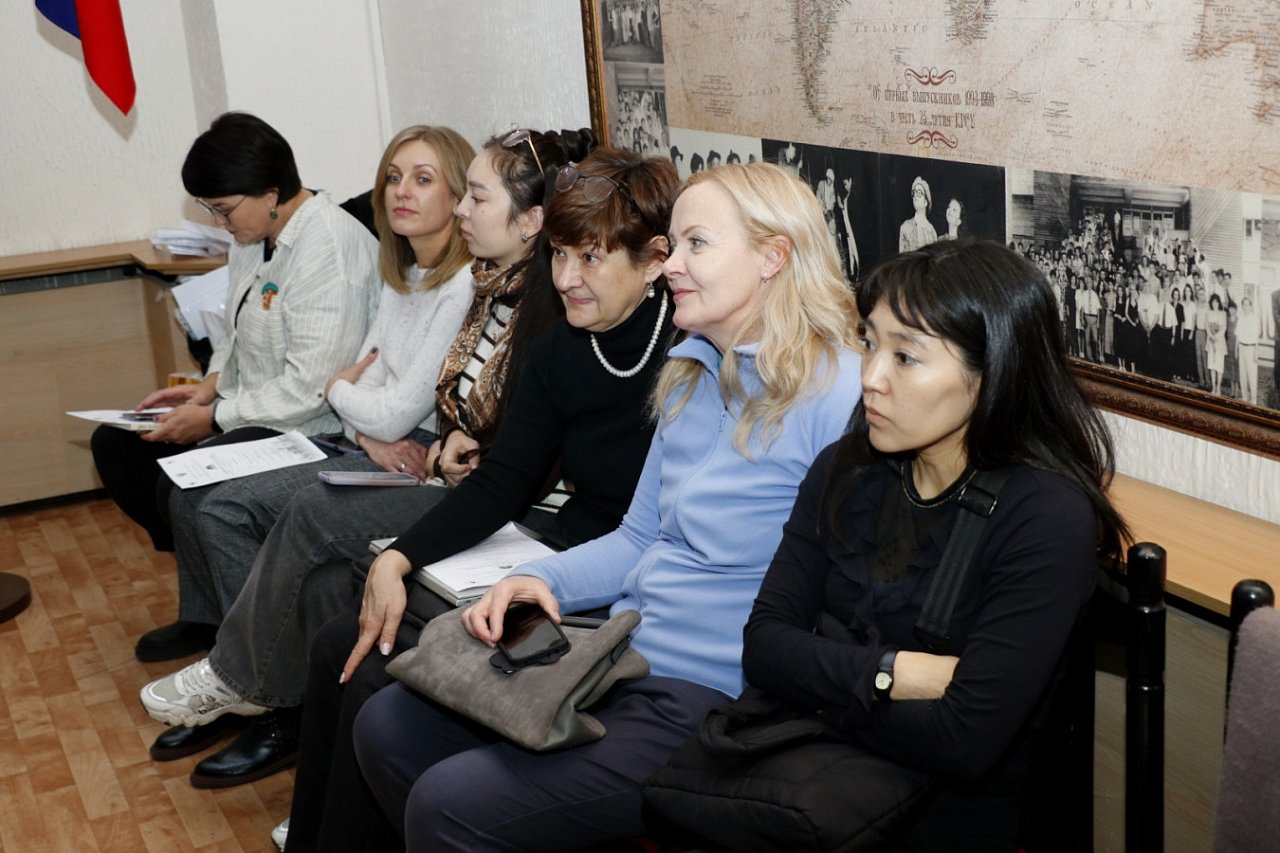
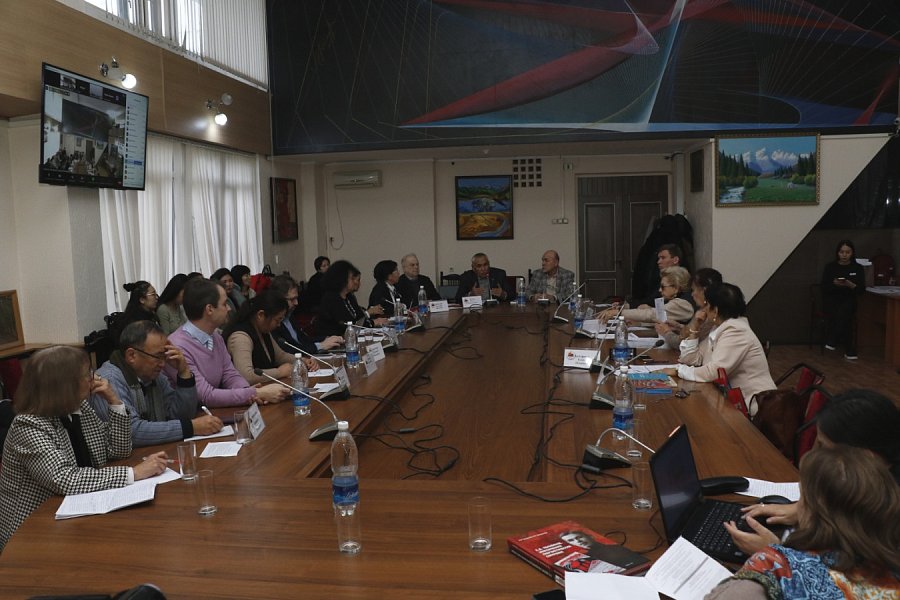
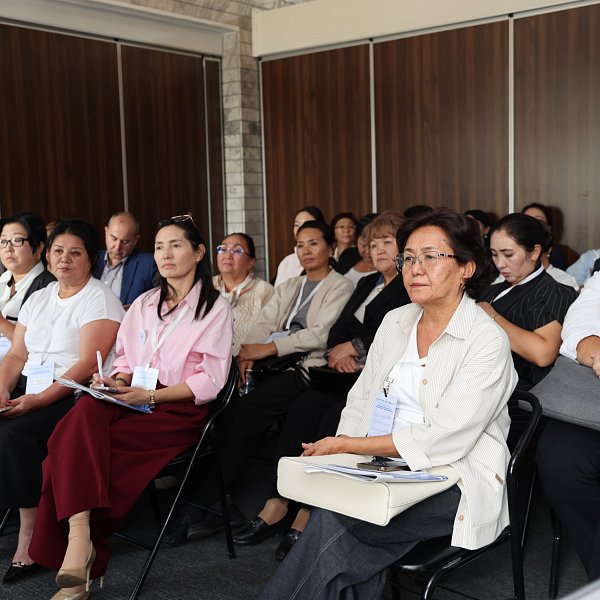
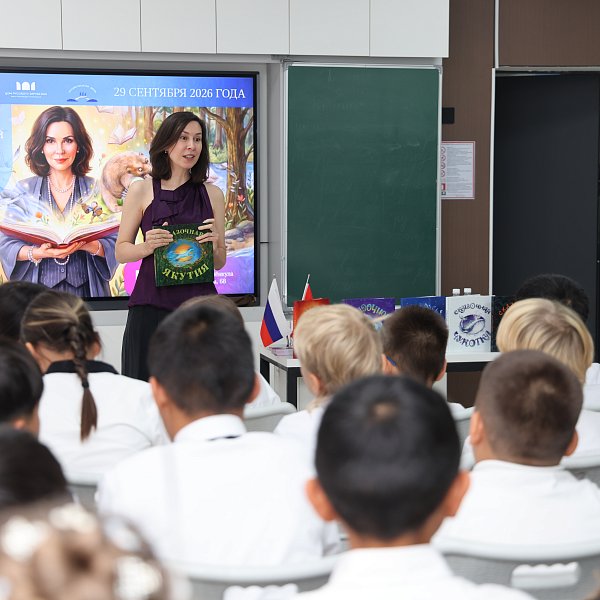
More than 500 philologists from Kyrgyzstan, Russia and Central Asian countries took part in the International Forum for the professional community of teachers teaching Russian abroad, «Russian language and science XXI centuries: problems, achievements, prospects», held on November 15-16 at the Kyrgyz-Russian Slavic University.
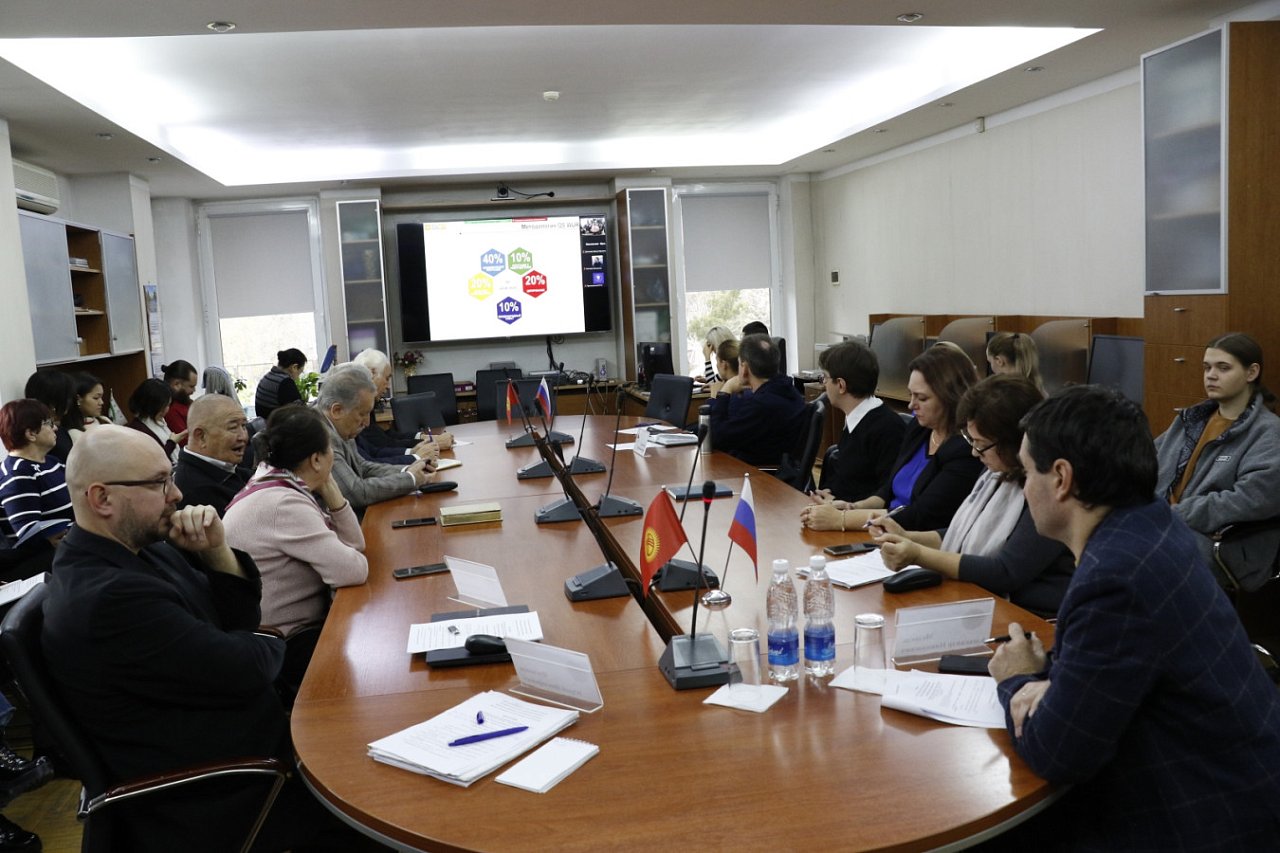
The organizers were the Russian State Humanitarian University (RGGU) and the Kyrgyz-Russian Slavic University (KRSU) with the support of the Ministry of Education of the Russian Federation. The event was held in a mixed format: some participants were present directly at KRSU in Bishkek, some connected online.
Speaking with a welcoming speech, Vice-Rector for Information and Public Relations of KRSU L. Sumarokov noted that KRSU and the Russian State University for the Humanities have years of friendship and close interaction. «Next year, – he reminded the participants, – the Year of the Russian Language in the CIS will be launched».
Vice-Rector for Academic Affairs of KRSU S. Usmanov emphasized the relevance of the forum topic: «KRSU contributes to the unity of the Russian-speaking space in a difficult environment. If there is no cooperation, the Russian language will not be able to strengthen its position in Central Asia».
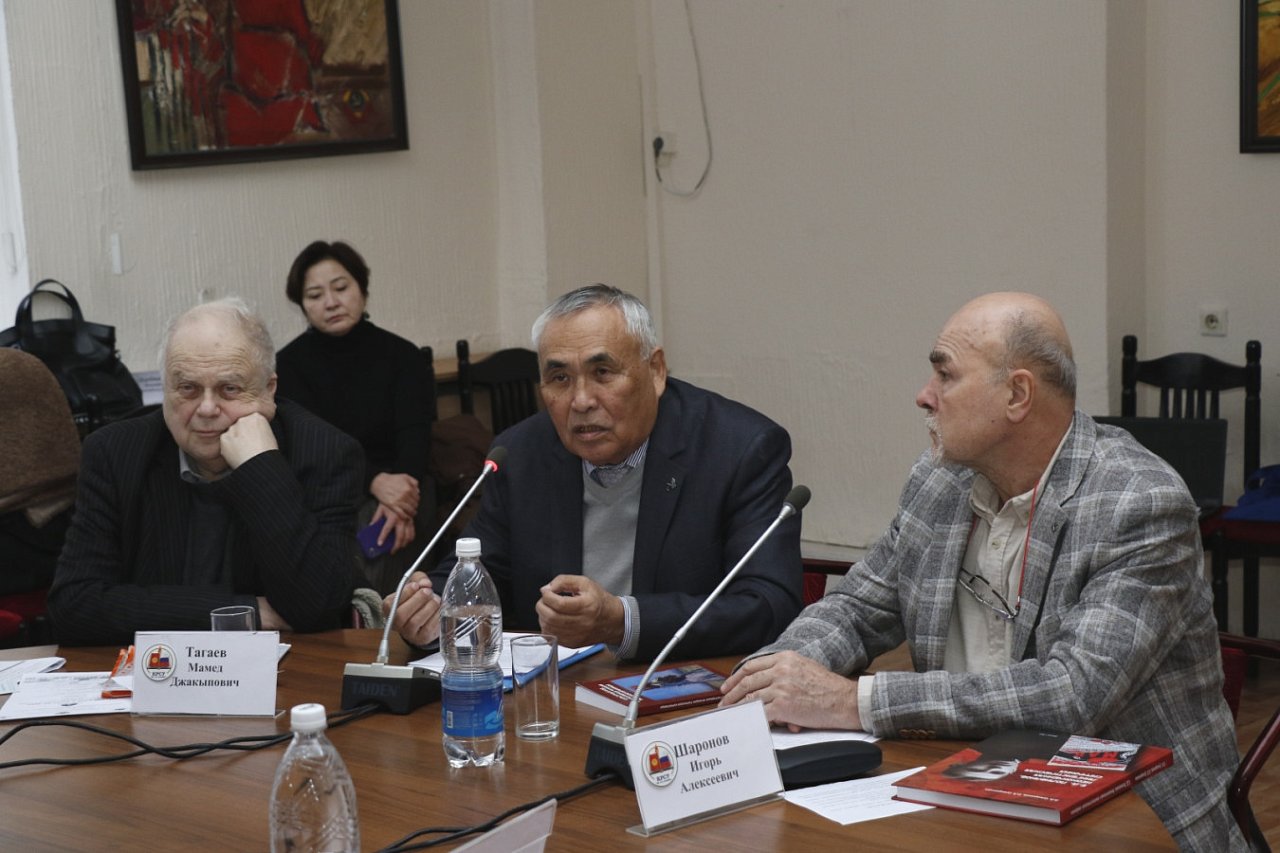
At the opening of the forum, the professor, director of the Institute of Russian Language named after. A. Orusbaeva M. Tagaev: «The issue of preserving and promoting the Russian language in Central Asia, including Kyrgyzstan, is tied to the problems of education and science. This is a language that allows the younger generation to accumulate and improve human capital and professional knowledge. Who needs Russian? Kyrgyz –first of all».
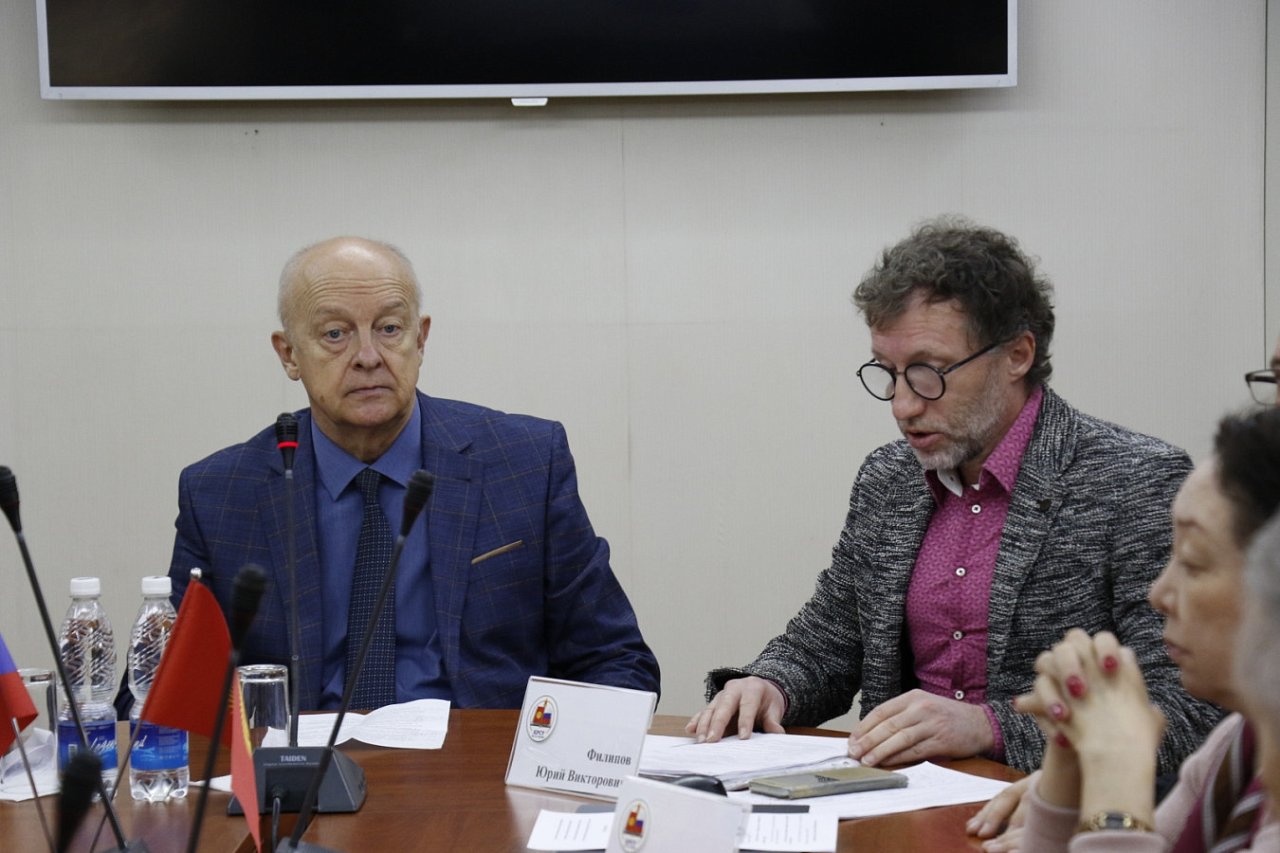
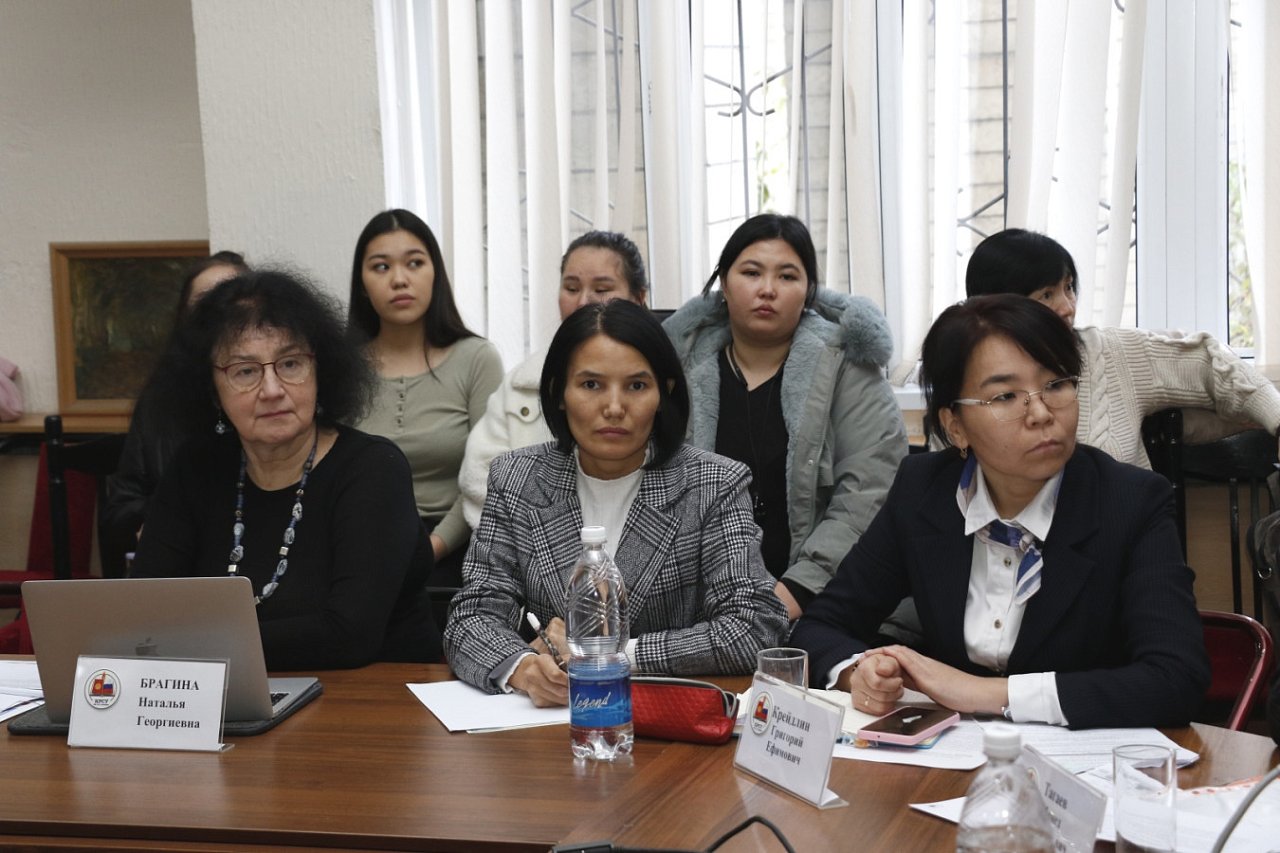
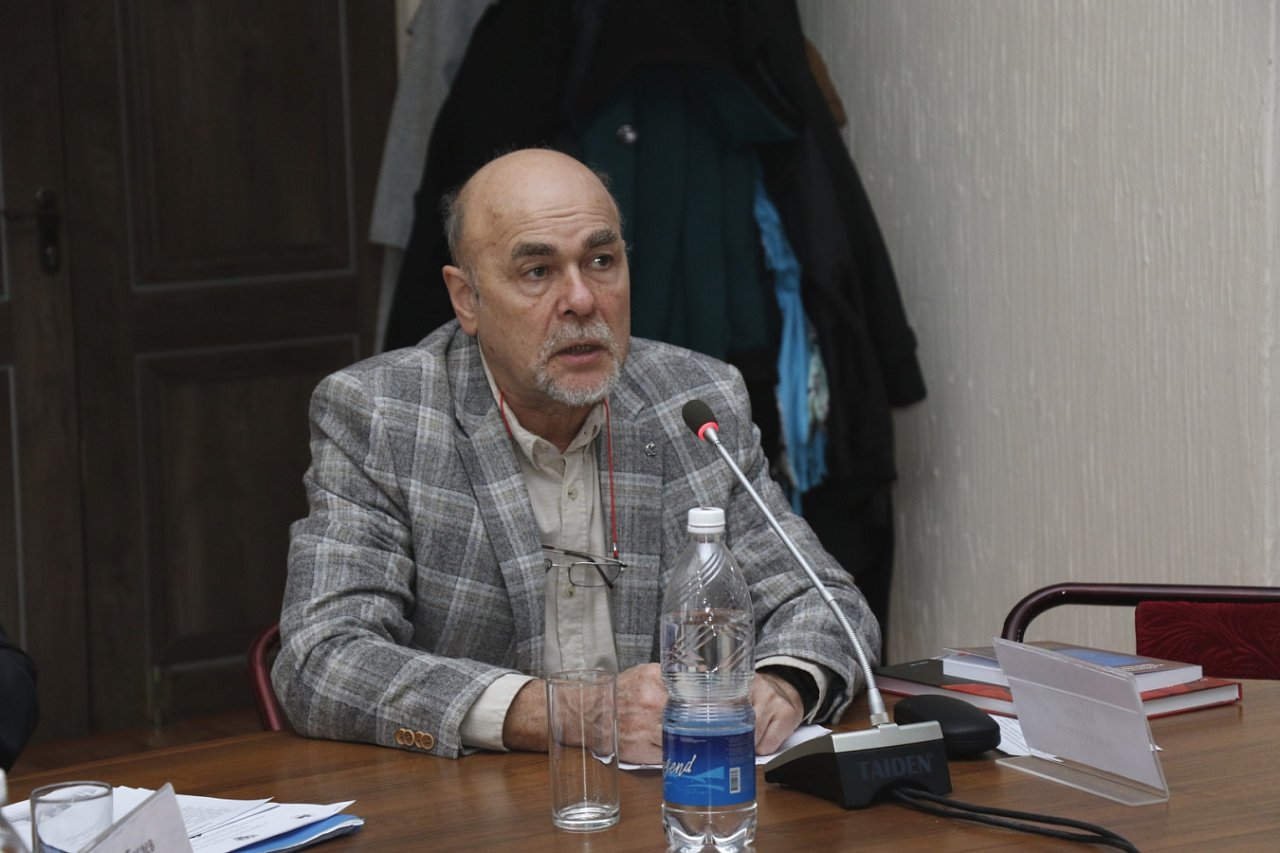
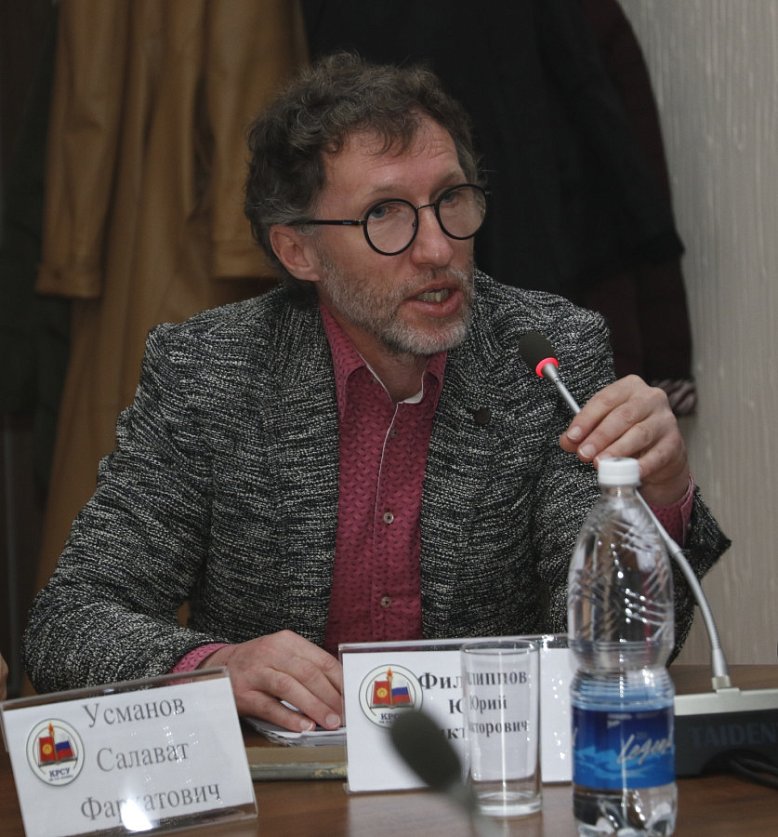
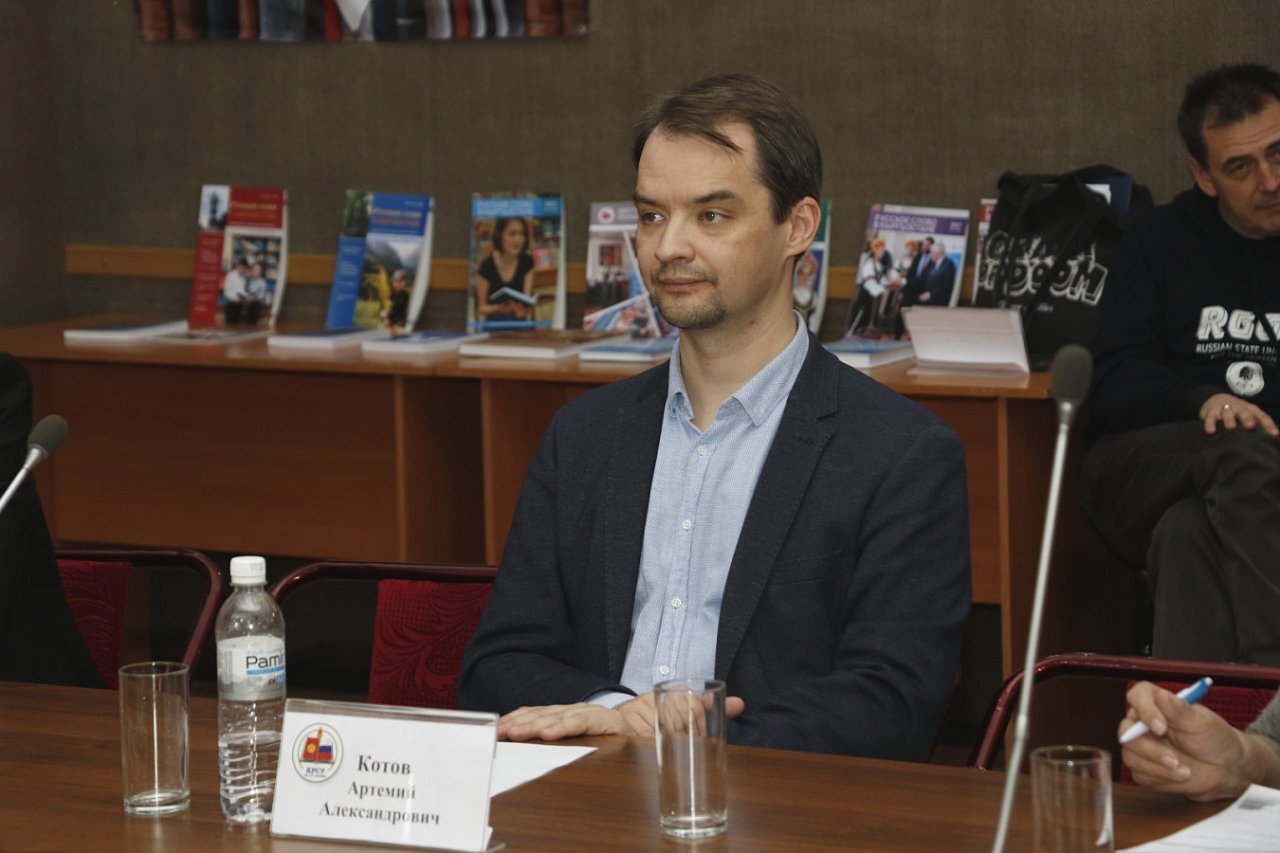
The Russian delegation was represented by leading specialists of the Russian State University for the Humanities who arrived in Bishkek: Candidate of Historical Sciences, Head of the Department of Strategic Projects Yu. Filippov; Candidate of Philological Sciences, Senior Researcher at the Center for Scientific Design A. Kotov; Doctor of Philology, Professor of the Department of Cinema and Contemporary Art, Faculty of Art History A. Markov; Doctor of Philology, Professor of the Department of Russian Language N. Bragina; Doctor of Philology, Professor of the Department of Theoretical and Applied Linguistics G. Kreidlin; Doctor of Philology, head of the Department of Russian Language I. Sharonov. Doctor of Philology, Chief Researcher of the Educational Laboratory of Sociolinguistics M. Krongauz and Doctor of Philology, Director of the Scientific and Educational Center for Cognitive Programs and Technologies V. Zabotkina spoke in a remote format.
Forum listeners learned about what is happening with the language norm in XXI veke, and got acquainted with cognitive approaches to teaching the Russian language. Forum participants reflected on the dialogic discourse and modern methods of its research. Presentations on the topics «Russian body language: verbal and non-verbal aspects», «Untranslatable terminological innovations of Russian humanities» were also offered to the attention of those present.
Guests of the forum met an emotional robot that speaks Russian. Let us note that it was collected by linguists of the Russian State University for the Humanities and presented during A. Kotov’s speech on the topic «Robot speaks Russian: creating means of communication for emotional robot companions». «Our robot, – the speaker noted, – knows how to respond to words and touches. By examining the level of emotional intelligence of robots, we can understand the psychological and emotional state of the interlocutor».
On November 16, the forum was continued by a scientific and methodological round table «Russian language: research and teaching». Its moderators were the director of the Institute of Russian Academy of Sciences KRSU M. Tagaev and Doctor of Philology I. Sharonov.
The Russian State University for the Humanities has received a proposal to conclude an agreement on expanding scientific cooperation between universities. Next, the following issues were considered: the status of the Russian language in Kyrgyzstan as an educational subject: native, non-native, foreign, principles of educational description of the Russian language, Russian – lingua franca in Kyrgyzstan, its role in the scientific, educational and professional spheres. Also – the functioning of the Russian language in Kyrgyzstan, its interaction with the state language, conflicts in interaction, the development of digital technologies and others.
The teachers discussed the problems they face in their work.
Leading specialists of Russia and Kyrgyzstan in the field of linguistics – Doctors of Philology E. Butorina and Yu. Domansky, Candidates of Philology I. Zvereva and A. Korchinsky – conducted master classes for the participants: «Business speech: from term to metaphor», «Contemporary synthetic art in Russia: formats of existence and features of philological study», «Modernity of the classical novel as an analytical principle of the history of (Russian) literature».