A Socio-Humanitarian Institute and an Academy of Education will be created at KRSU
24 june 2026
Category: Important events in the history of the university
Share:
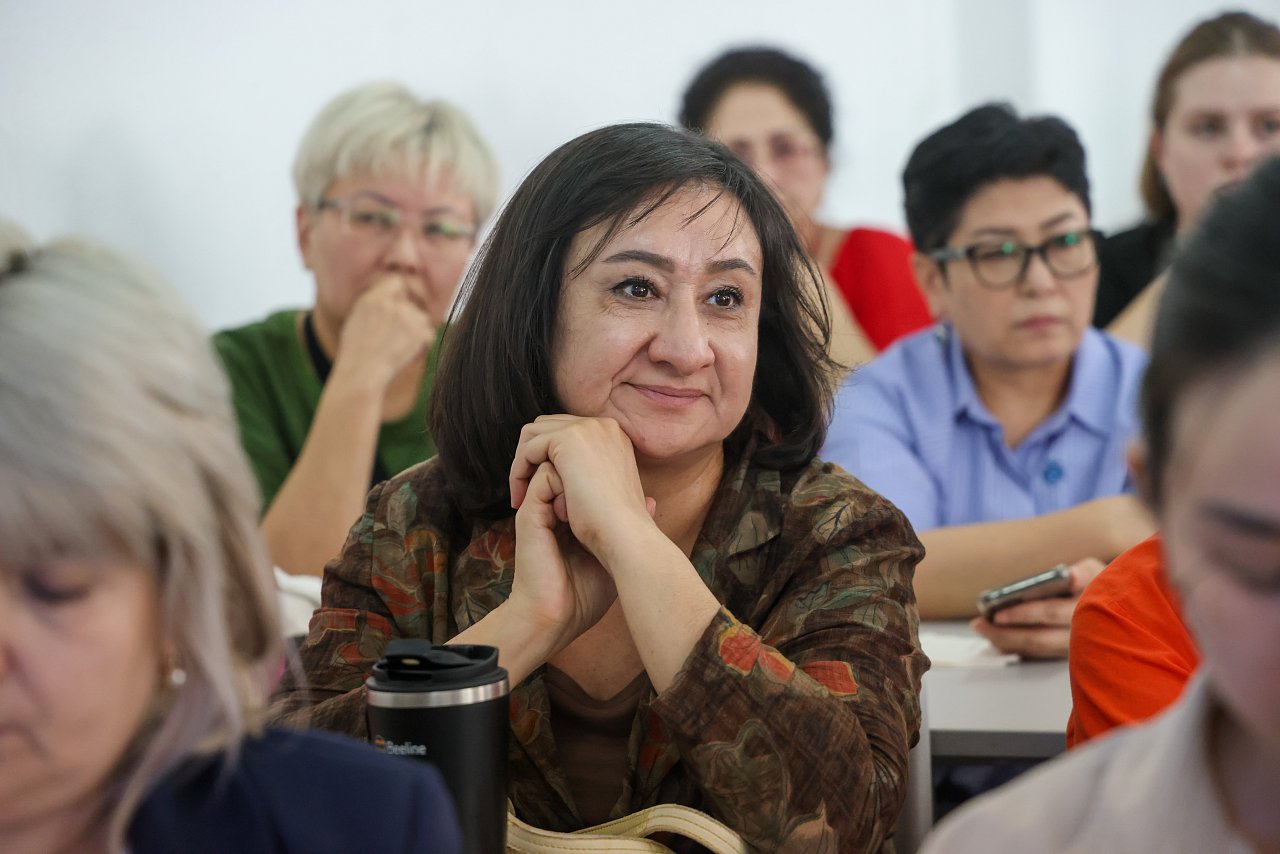
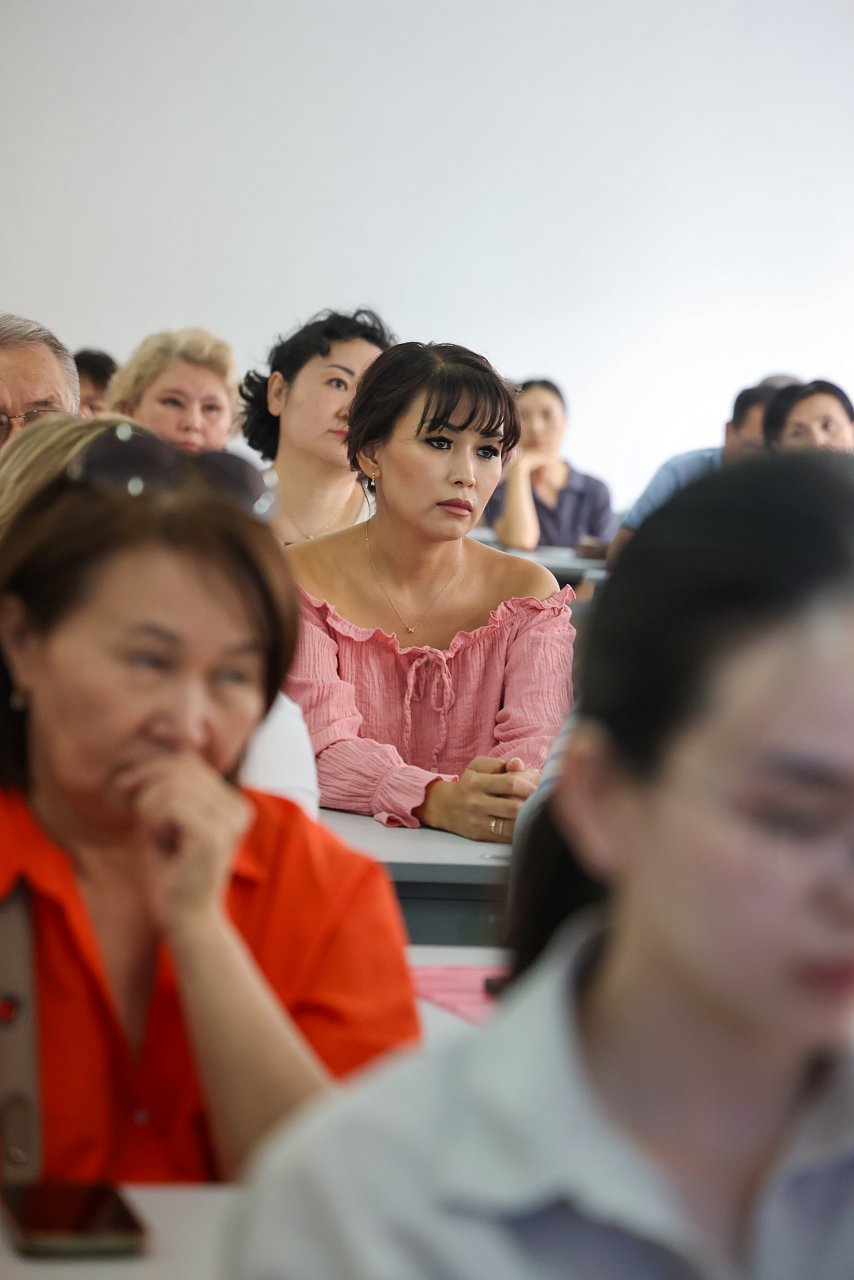
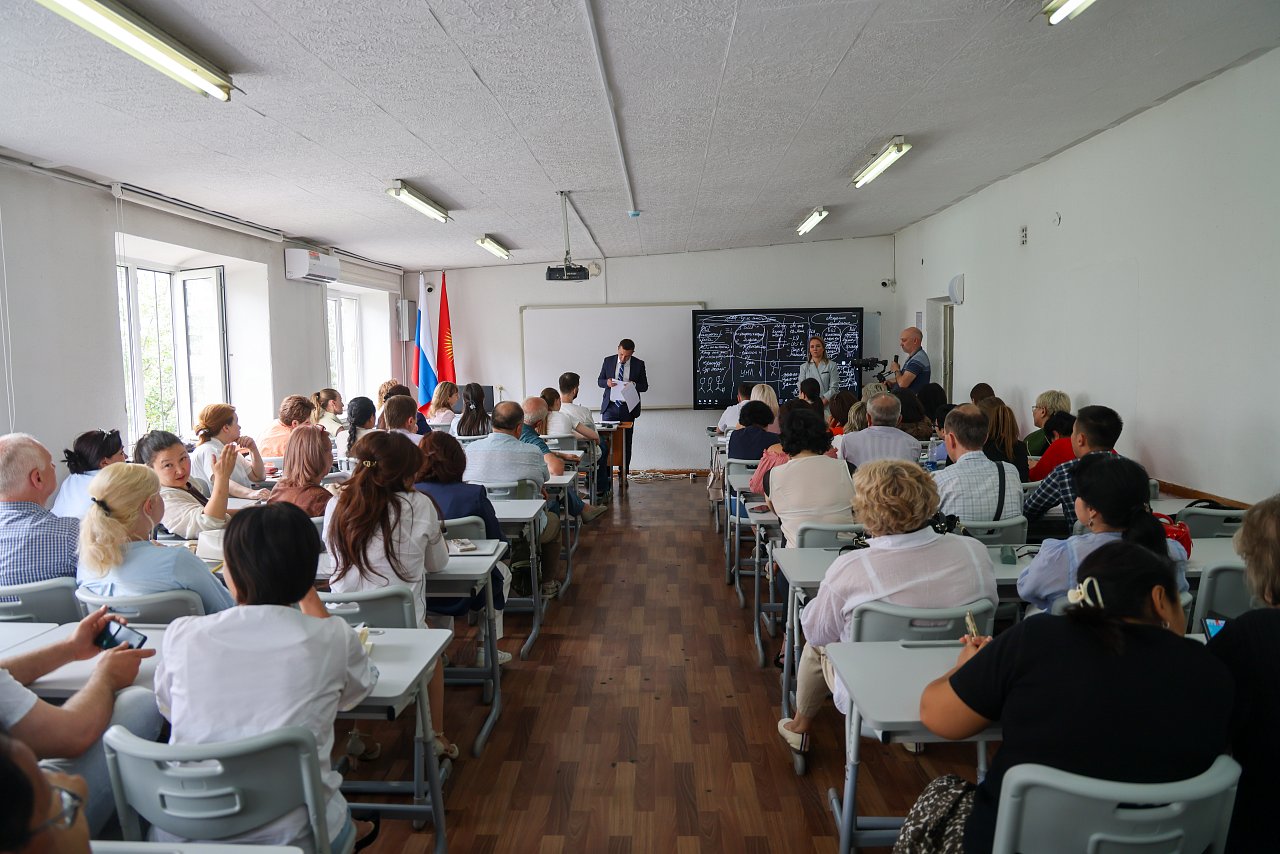
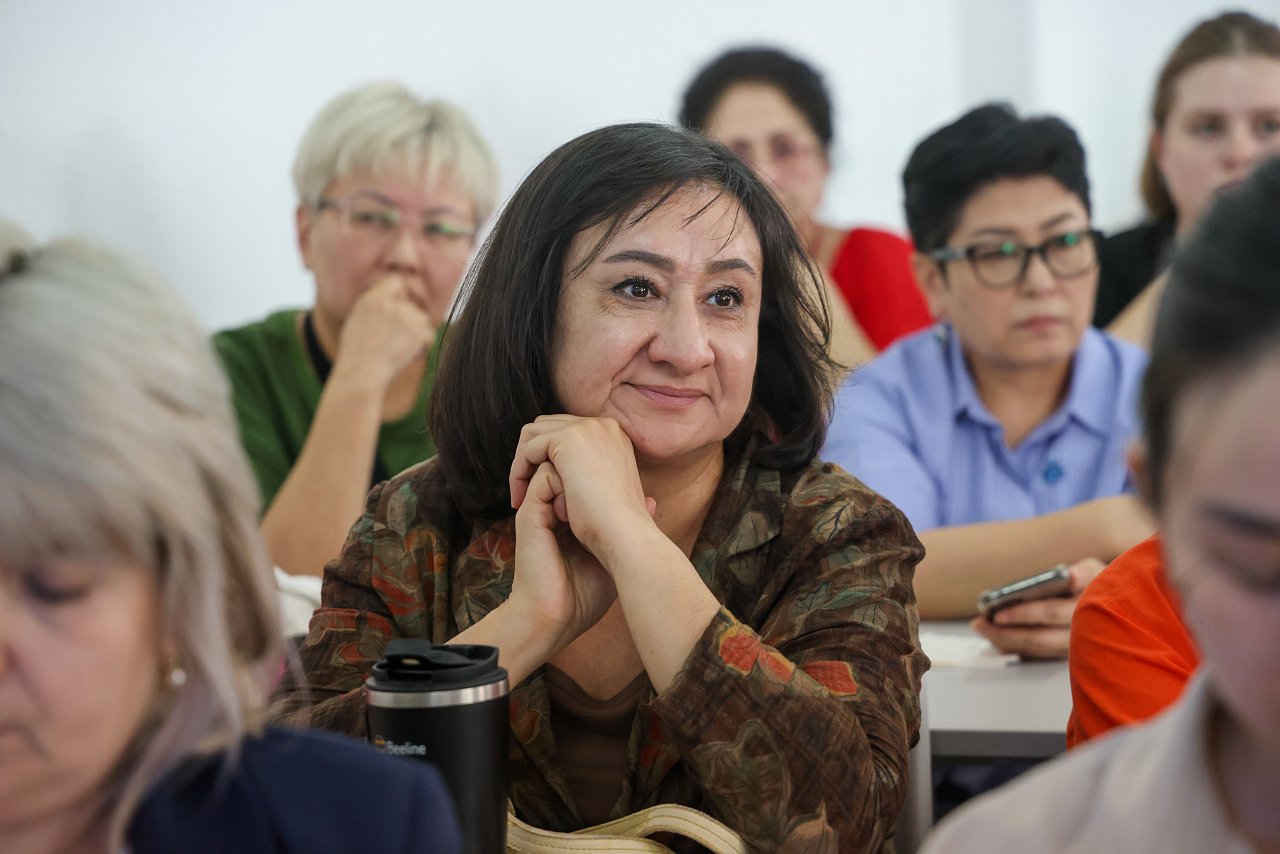
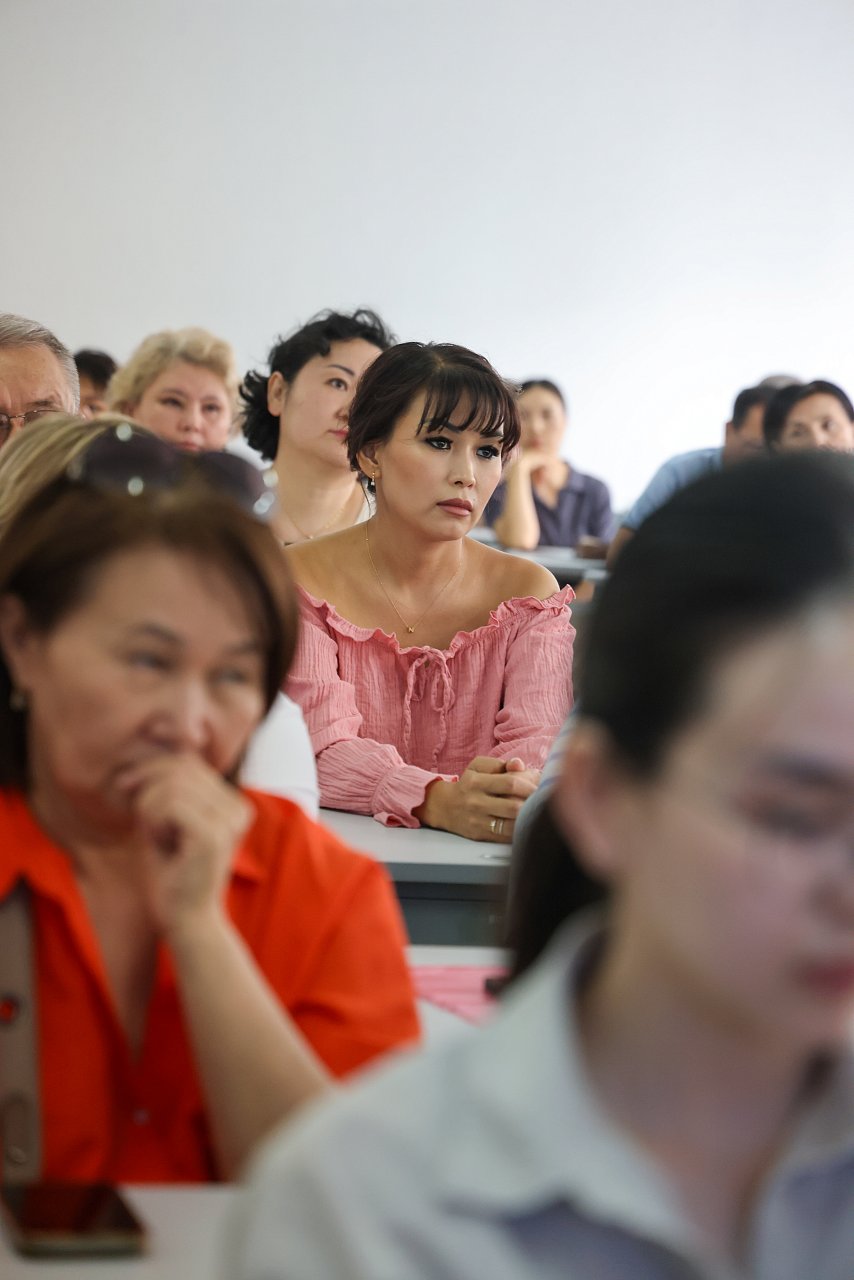
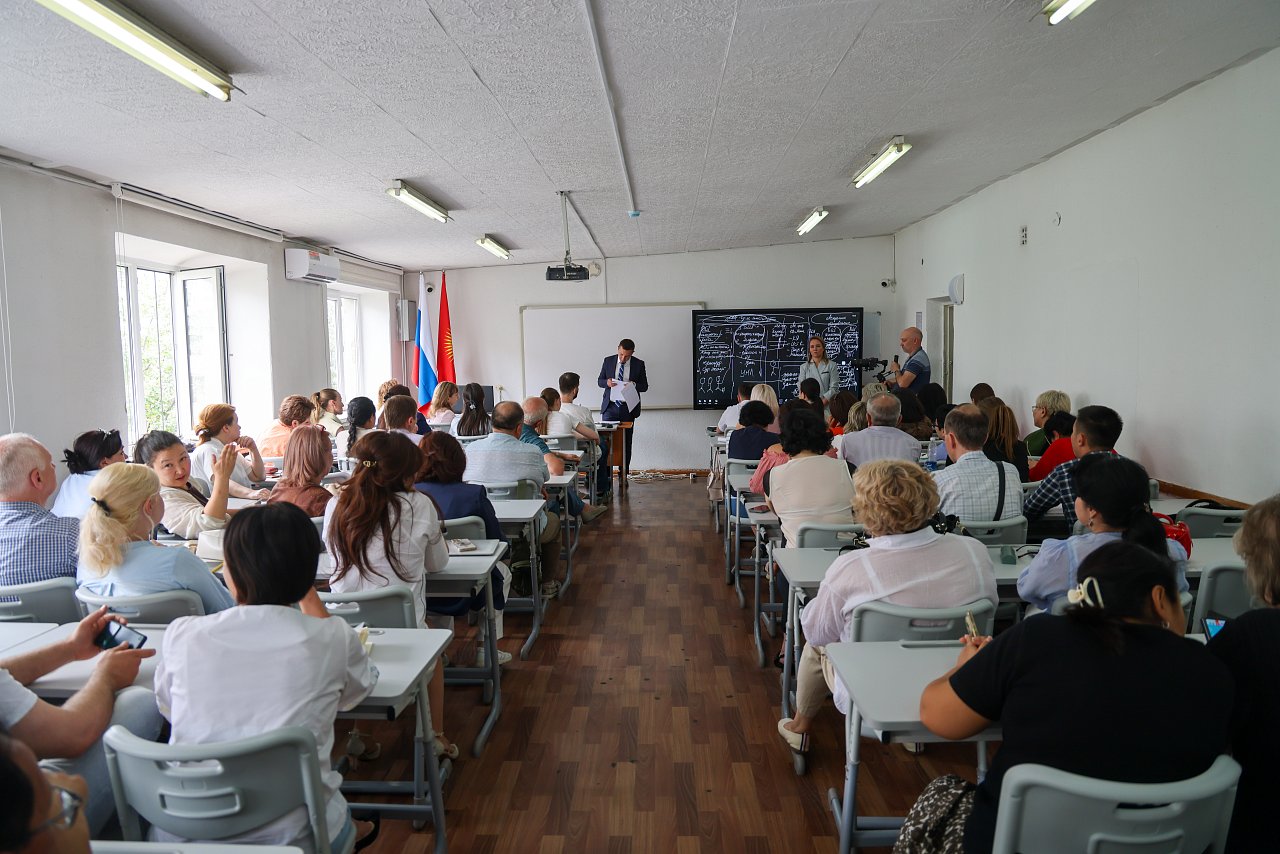
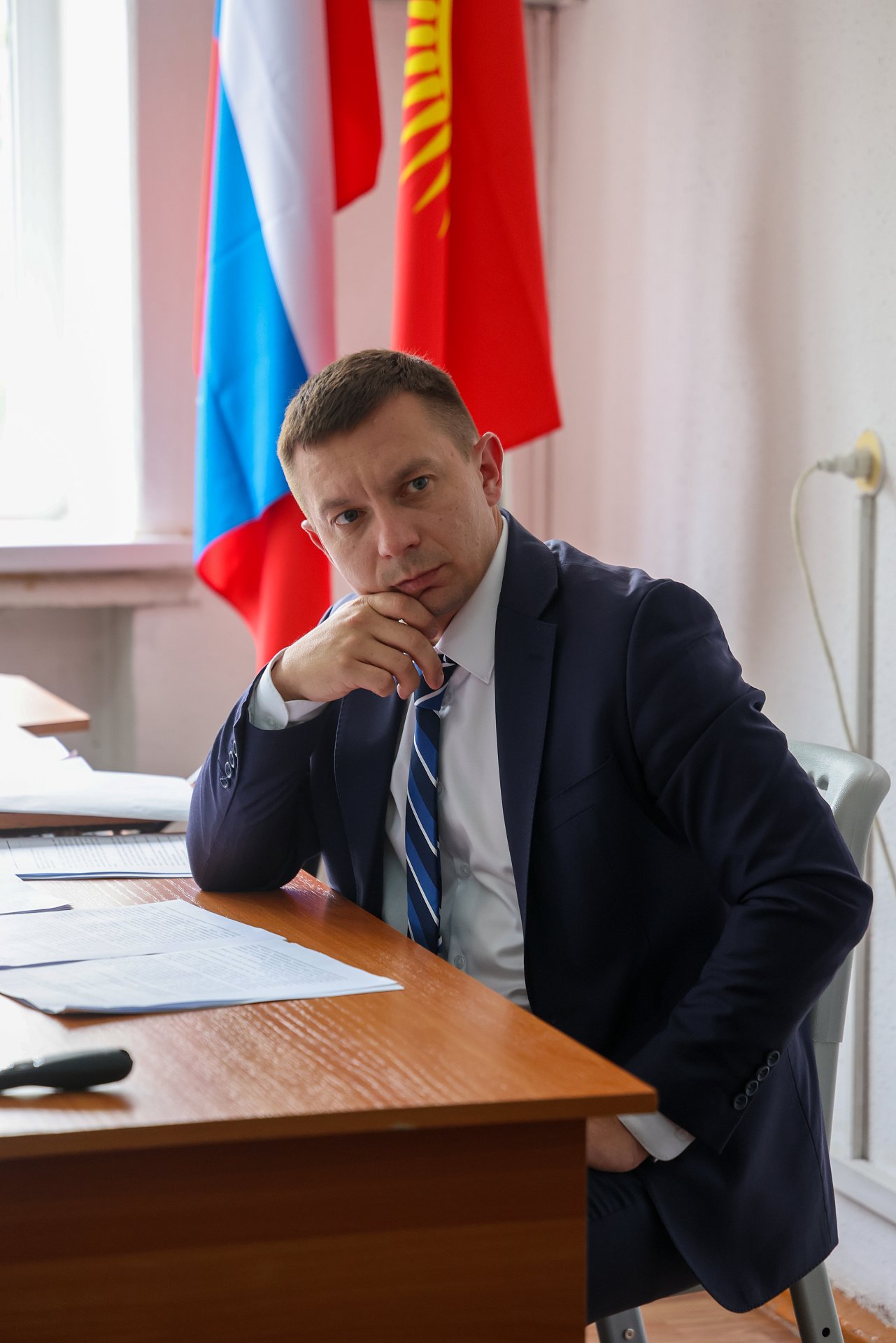
Rector of the Kyrgyz-Russian Slavic University Sergei Volkov held a meeting with the teaching staff of the humanities, law, economics and international relations faculties, at which he presented a new model for organizing the educational process and spoke about the upcoming restructuring of the university.From September 1, 2026, KRSU is moving to a new academic structure, providing for the creation of enlarged educational units - the Socio-Humanitarian Institute and the Academy of Education named after L.S. Vygotsky. According to the rector, the changes are part of the university’s development strategy and are aimed at improving the quality of education, developing scientific activities, strengthening interdisciplinary interaction and more effective training of specialists in accordance with modern labor market requirements.«Today we rank second among universities in the republic. This is the result of the work of the entire team. But in order to become a leader first in Kyrgyzstan and then in Central Asia, we need systemic changes. Therefore, I ask you to support this process», noted Sergei Volkov.The key element of the transformation will be the Socio-Humanitarian Institute, which will unite the humanities, law, economics faculties, the faculty of international relations, as well as interfaculty departments of foreign and Kyrgyz languages. The new structure will concentrate the training of specialists in humanitarian, social, economic, legal and international areas.The institute will include the Higher School of Communications and Media, the Higher School of Diplomacy and Law, the International Business School and the Academic Center for the Kyrgyz Language and Manas Studies. Such a merger will make it possible to build closer interaction between related areas of training, develop interdisciplinary educational programs and more effectively use the scientific and human resources potential of the university.The Higher School of Communications and Media will combine the areas of journalism, advertising and public relations, linguistics, translation studies and intercultural communication. The Higher School of Diplomacy and Law will focus the training of international affairs, political scientists, lawyers and specialists in the field of public administration. The economic block will be represented by the International Business School, which will combine programs in the fields of economics, finance, banking, management and economic security. The Academic Center for Kyrgyz Language and Manas Studies will become a single center for teaching the Kyrgyz language, history and geography of Kyrgyzstan, as well as the discipline «Manas Studies».In addition, the institute will continue to operate an educational and scientific laboratory «Lean Manufacturing», a comprehensive forensic testing ground and a Center for Clinical Legal Education, which will allow maintaining practice-oriented training for students and developing applied research.Ida Goloborodko has been appointed director of the Socio-Humanitarian Institute. Natalya Bondareva will become Deputy Director for Educational Activities, Nasiba Eshmuradova will become Deputy Director for Work with Students and Applicants. The Higher School of Communications and Media will be headed by Gulmira Dzhunushalieva, the Higher School of Diplomacy and Law by Gulnura Zhunushova, and the International Business School by Ainura Kocherbaeva. Taalantaly Bakchiev was appointed head of the Academic Center for Kyrgyz Language and Manas Studies.At the same time, the University is creating the Academy of Education named after L.S. Vygotsky, which will unite the Institute of Russian Language, the departments of Russian philology, psychology, philosophy and religious studies, history and pedagogical education. The new structure will become a center for training teaching staff, developing bilingual education and humanities research.The Academy will include the Higher School of Russian Language and Bilingual Education, the Higher School of Psychology and Pedagogy, as well as the Higher School of Adult Education. In addition, scientific laboratories, a Center for testing and certification of Russian as a foreign language, a cultural and educational center of the Russian language, as well as projects in the field of evidence-based pedagogy and innovative linguodidactics will be developed here.Ulugbek Sadybakasov will become the head of the administrative office of the Academy. The Higher School of Russian Language and Bilingual Education will be headed by Almira Gatina, and Mamed Tagaev has been appointed scientific director of the school. Nargiz Baudinova will become the head of the Higher School of Psychology and Pedagogy, and Nurgul Osmonova will become the head of the Higher School of Adult Education.A significant part of the meeting was devoted not only to the new structure, but also to the principles of its work. Vice-Rector for Educational Activities Elena Averkova said that together with institutes and academies, the university will have administrative offices that will take over most of the organizational and technical processes.According to her, administrative offices will accompany work with students, educational documentation, schedules, teaching workload, practices and interaction with university departments. They will include coordinators for working with students, teachers, applicants and employers. This will allow heads of institutes, higher schools and educational programs to focus on the content of training, scientific activities and the development of educational programs.«Heads of institutes and higher schools should deal not with administrative issues, but with the content of education, the development of science and educational programs», Averkova emphasized.The meeting participants paid special attention to organizing practices. The university forms a single base of partner organizations ready to accept KRSU students for internships and internships. Educational program managers will be able to formulate requests for specific types of practical training based on the content of the programs and the needs of employers. It is expected that the new system will improve the quality of interaction with employers and ensure a closer connection between the educational process and the future professional activities of students.Another important element of the reform will be a new system for managing educational programs. The central role in it will be played by the heads of educational programs, who will receive personal responsibility for their development, the quality of student training, interaction with employers, organization of internships and employment of graduates.According to Sergei Volkov, the university is gradually moving from the traditional cathedral model to a system where the main object of management is the educational program and its results. This approach will make it possible to more quickly respond to changes in the labor market, launch new in-demand areas of training and ensure a closer connection between education, science and professional practice.Concluding the meeting, the rector emphasized that the upcoming transformations are not just a change in the organizational structure, but an important stage in the modernization of the university, which should create the basis for the further development of KRSU as one of the leading educational and scientific centers in Kyrgyzstan and Central Asia.